
Portland’s independent spirit and strong creative culture make it an ideal location for guerrilla marketing campaigns. Neighborhoods such as Pearl District, Hawthorne, and Downtown Portland attract pedestrians who appreciate artistic expression and street culture. Wheat pasting and fly posting campaigns can blend seamlessly into the city’s urban environment while creating memorable visual statements that resonate with Portland’s creative communities.
High Impact Guerrilla Marketing in Portland Oregon
our services
-
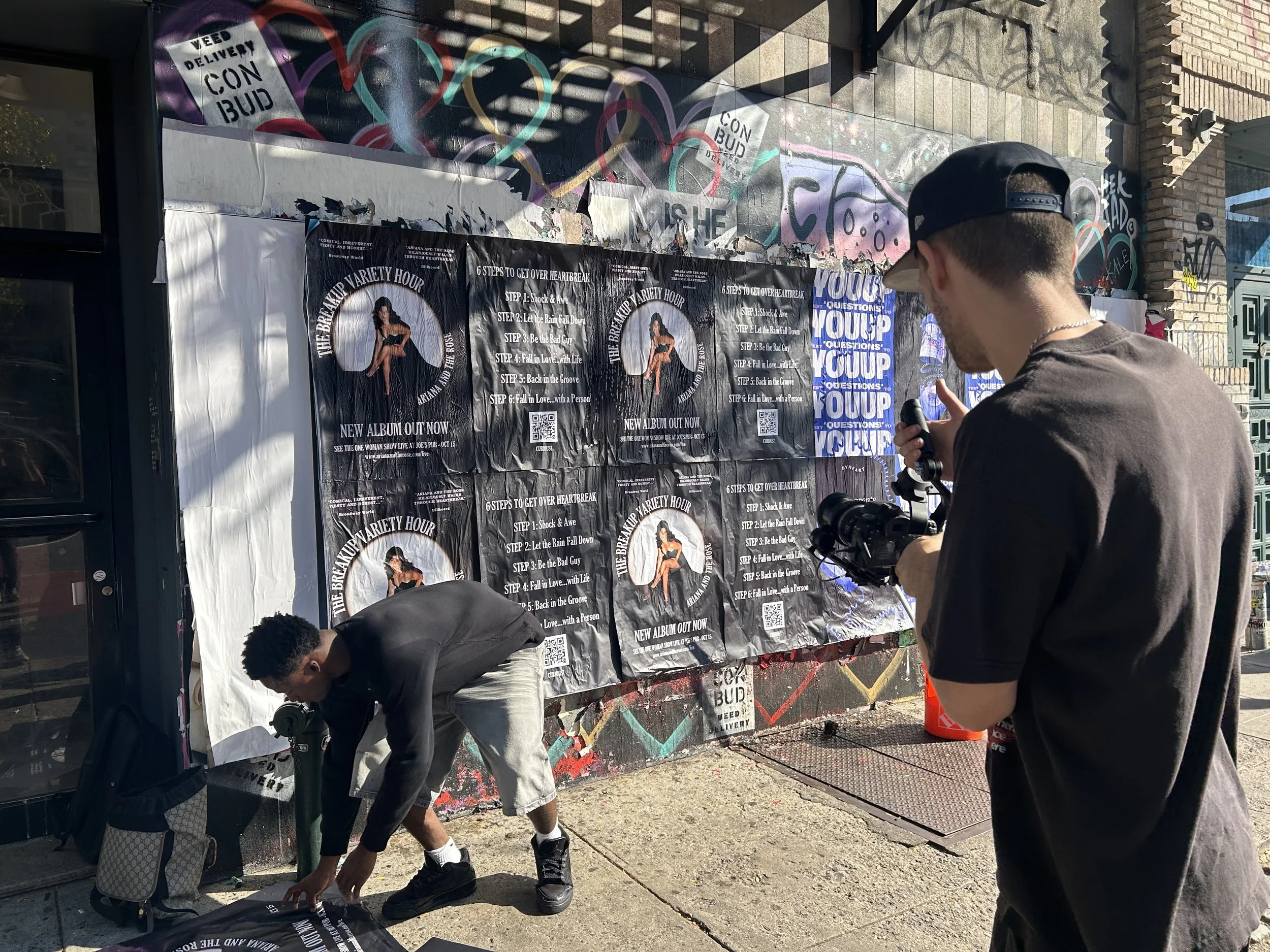
![what pasting campaign by sidewalk activations]()
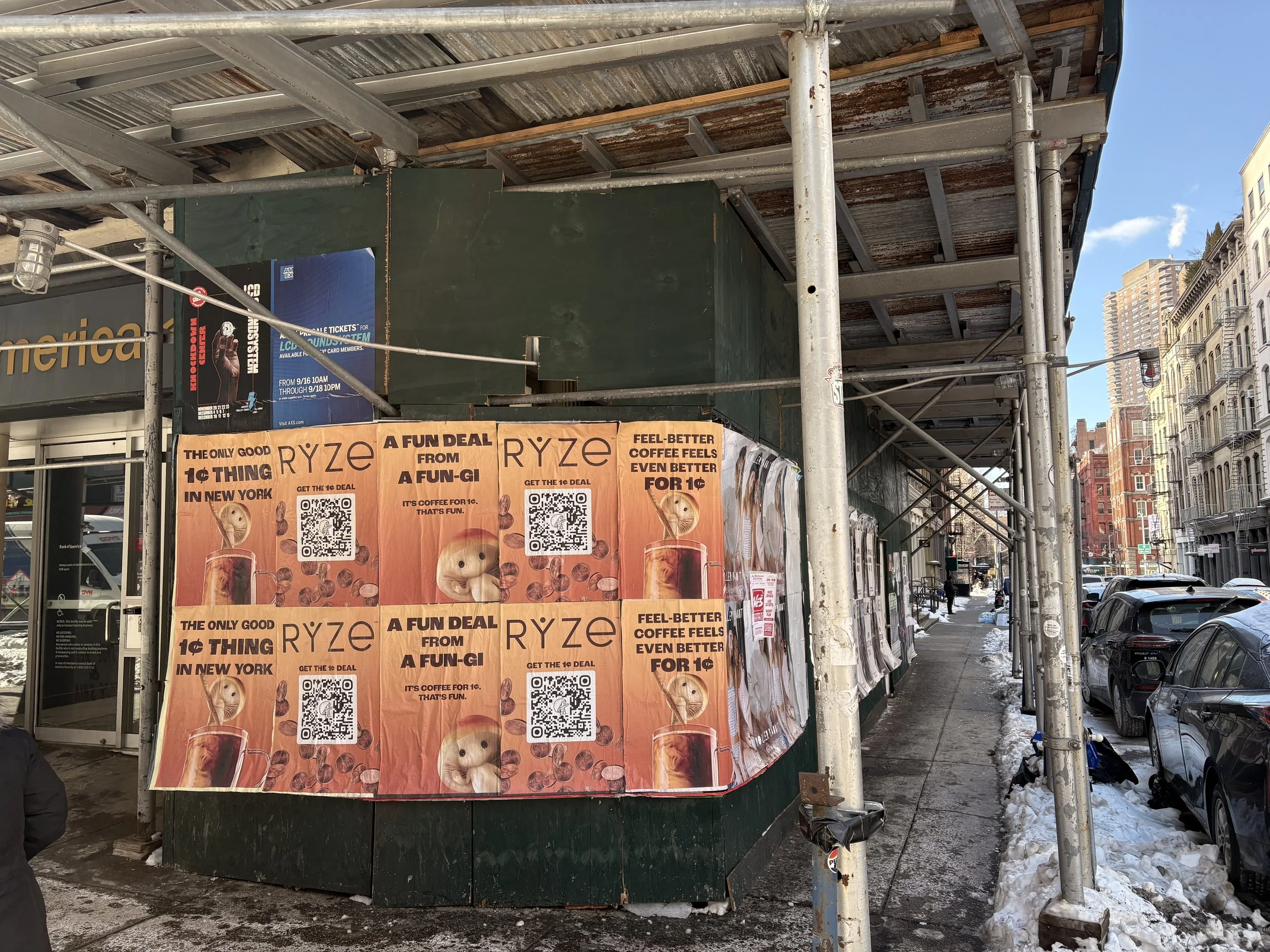
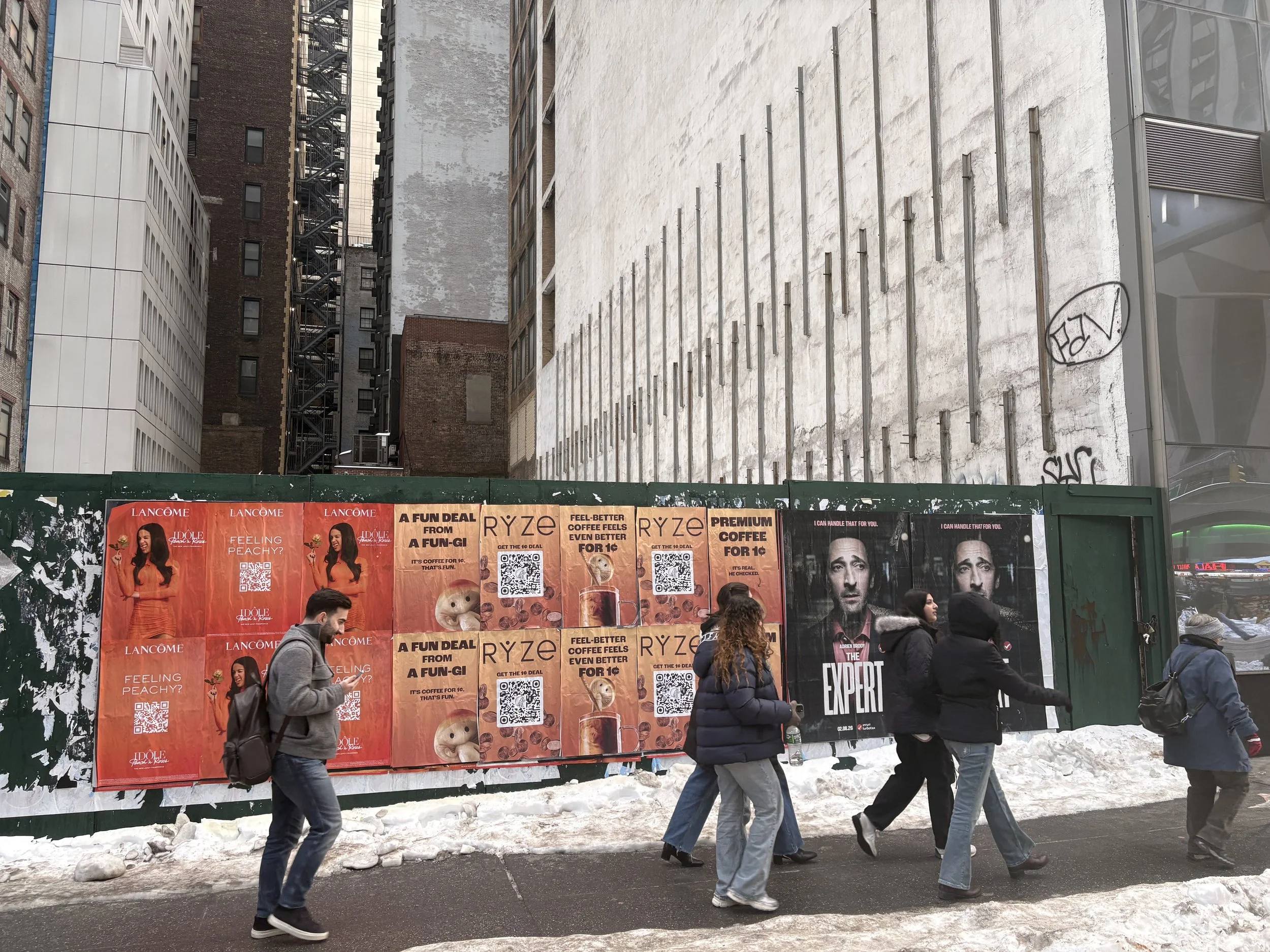
wheat paste posters
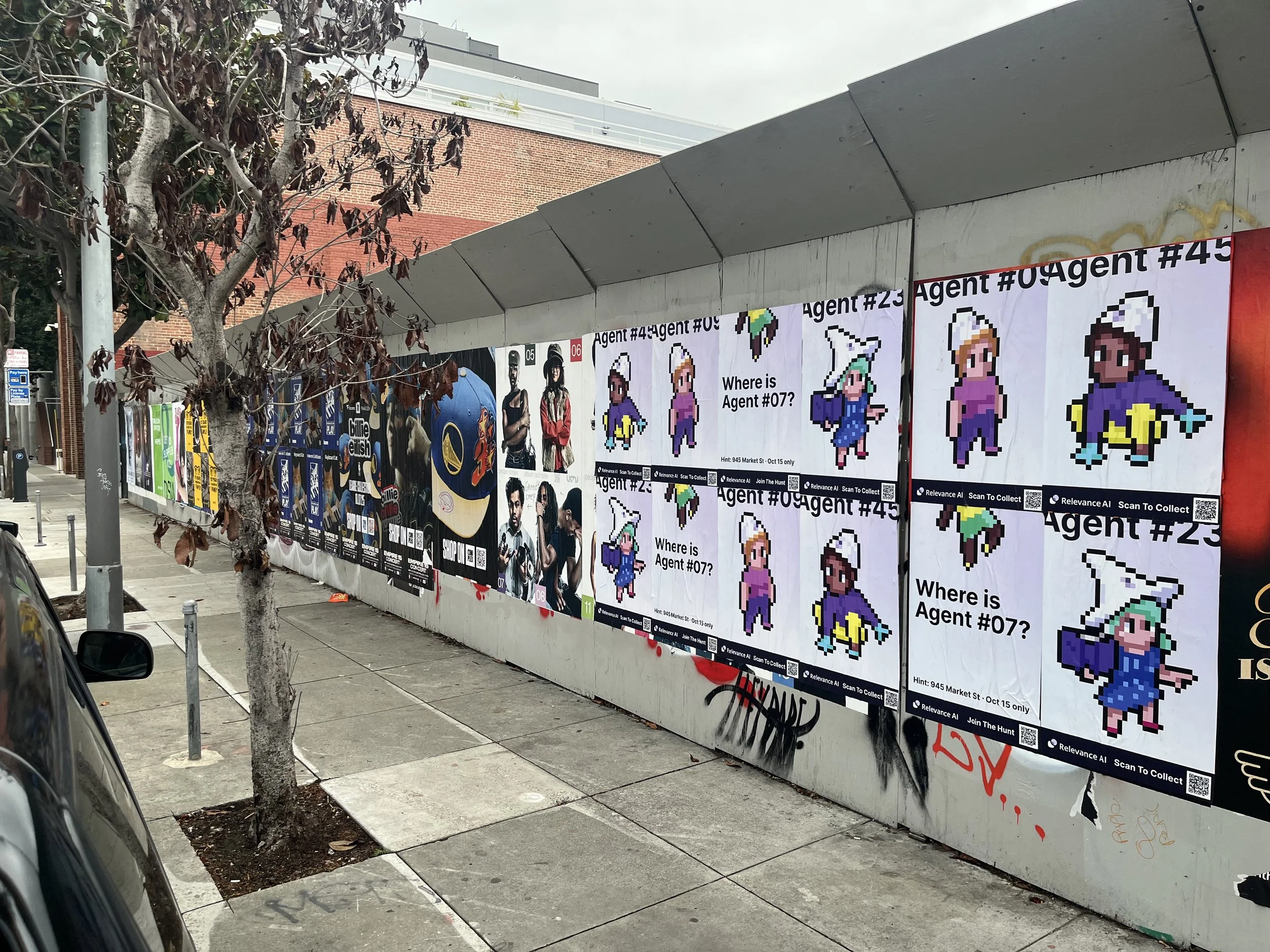
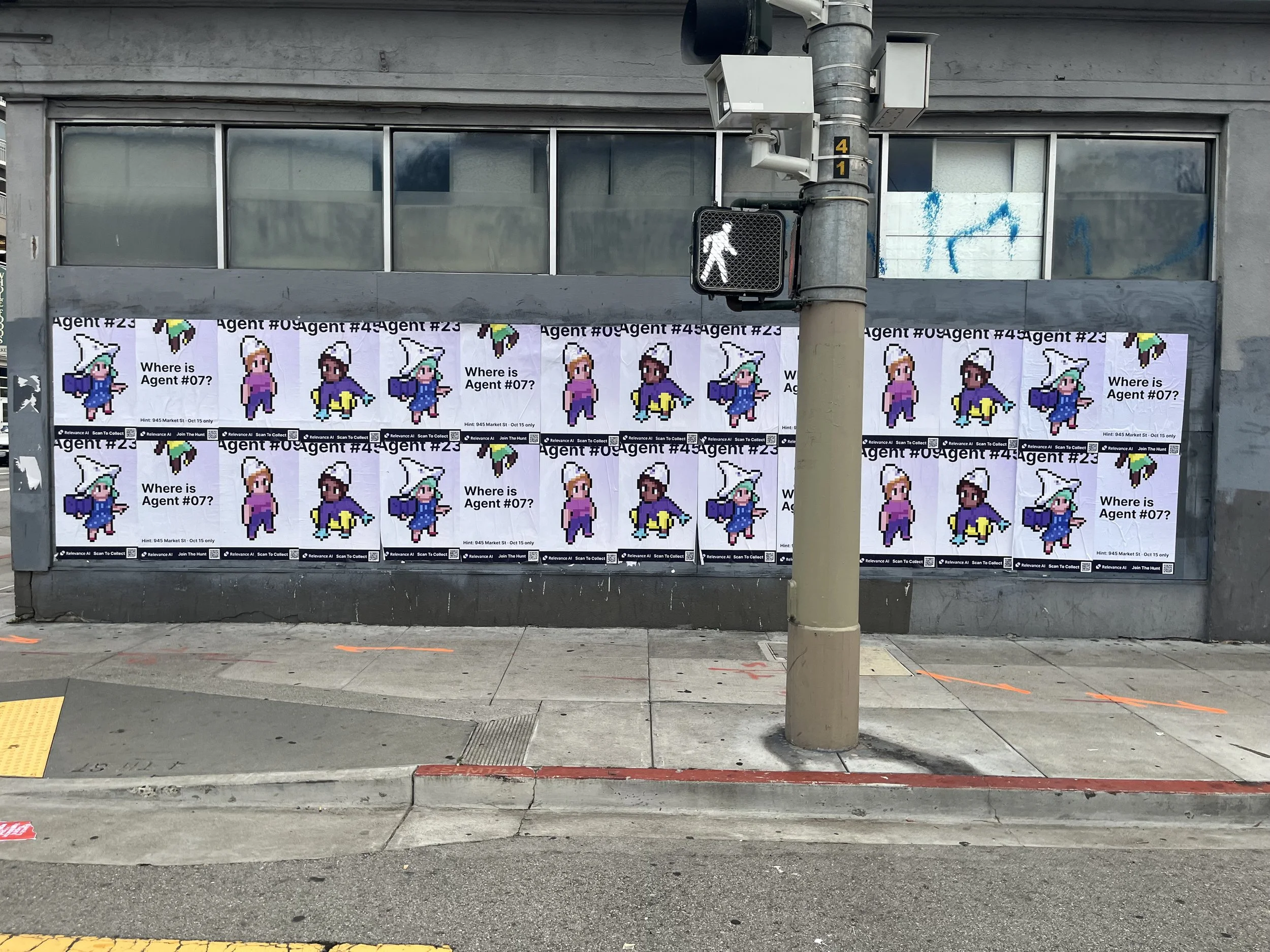
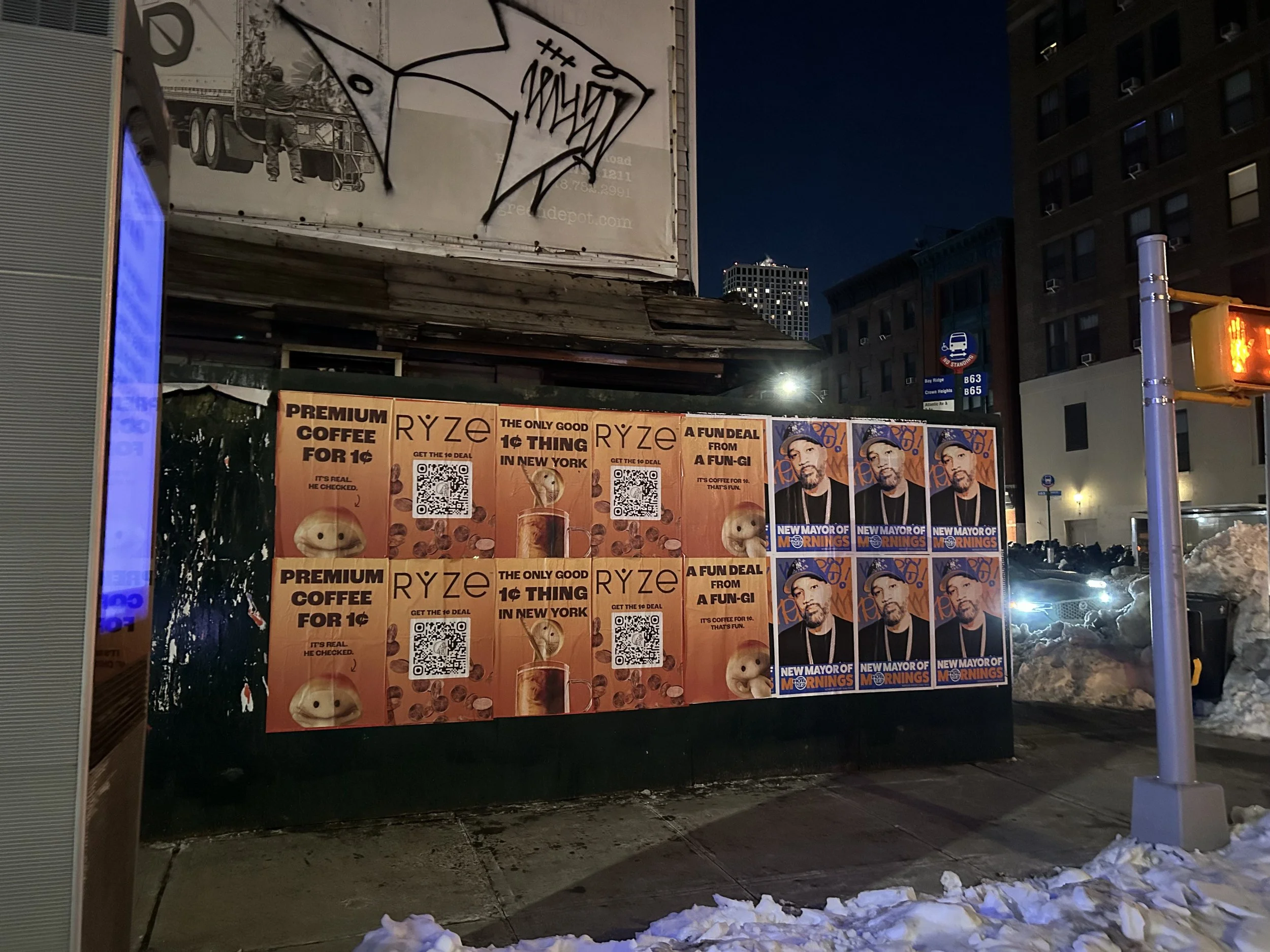
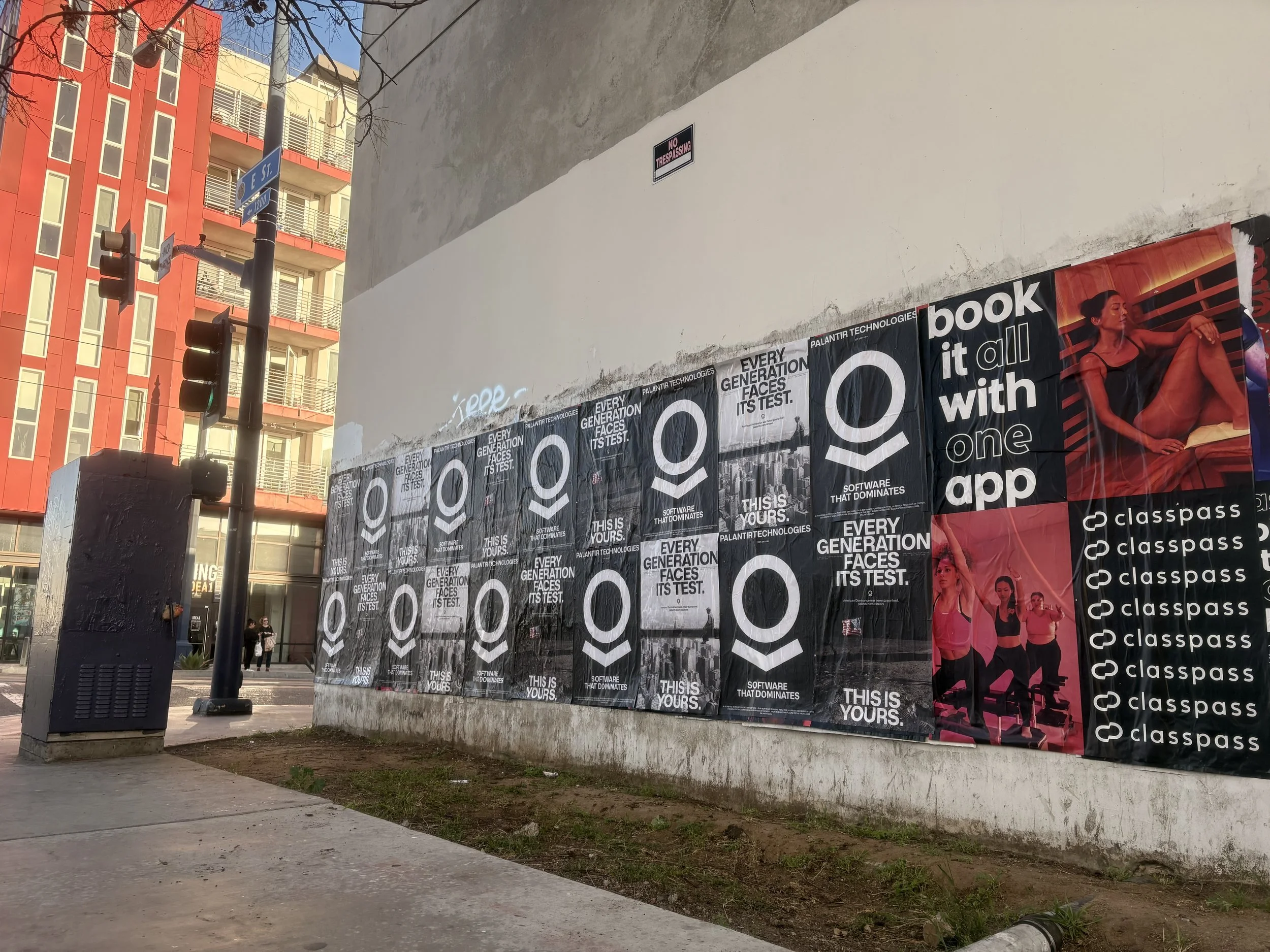
Large-format paper posters adhered to walls. Wheat pasting turns building facades into bold brand canvases.
-
![Sidewalk decal/graphic in times square]()
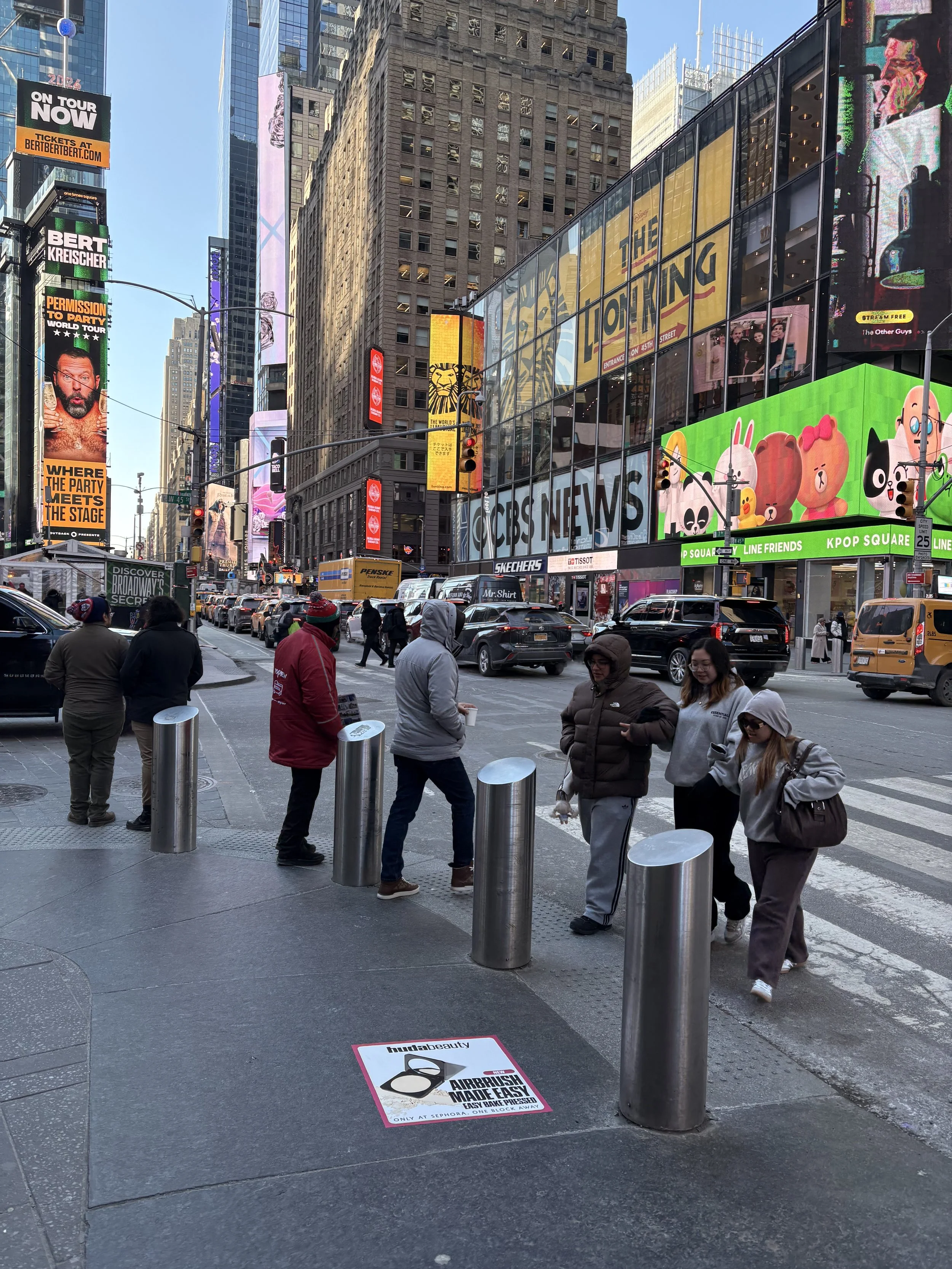
SIDEWALK DECALS
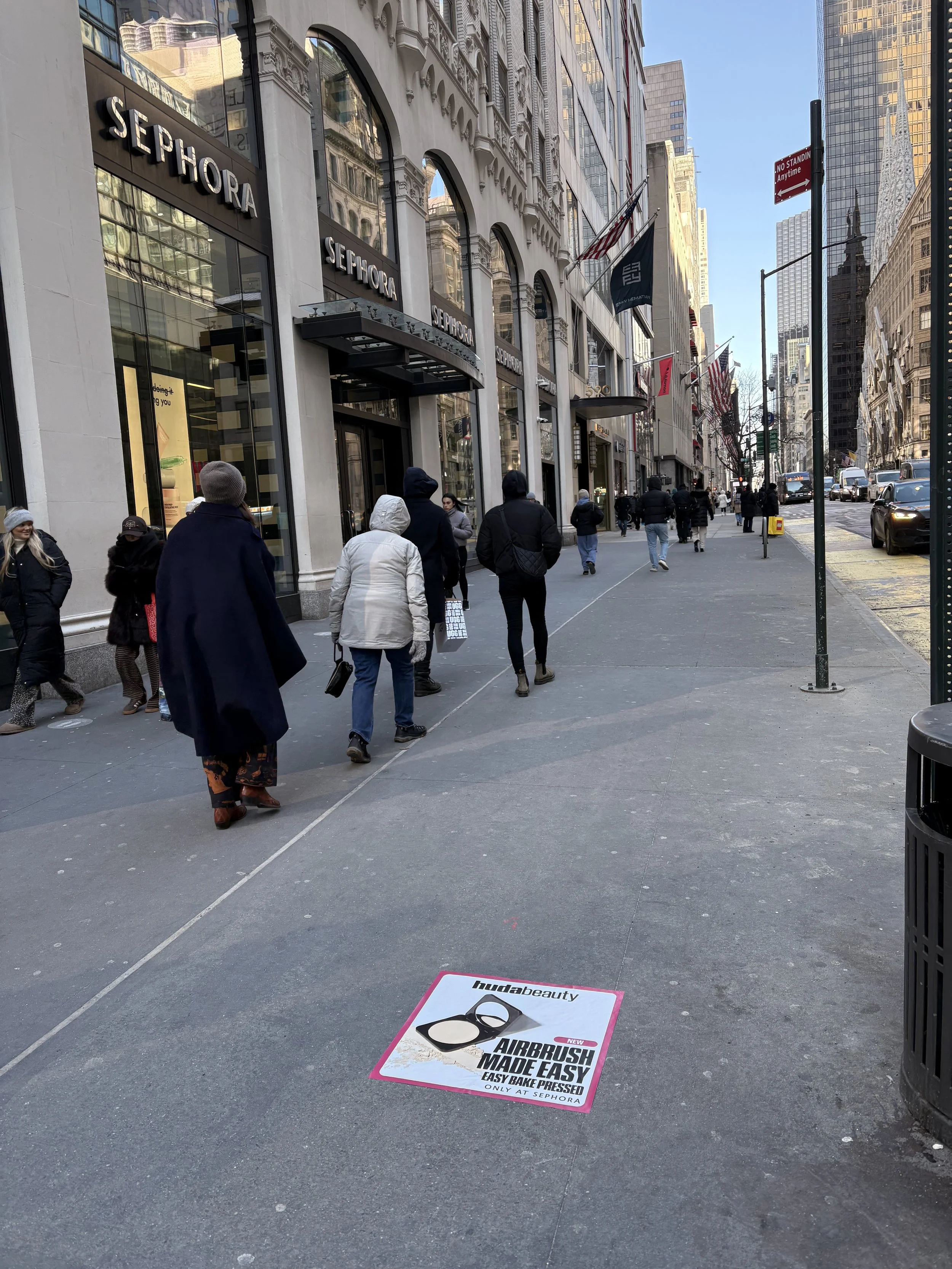
Decal advertising uses custom floor stickers applied directly to sidewalks and indoor surfaces, creating durable, high-impact brand touchpoints that withstand foot traffic and demand attention.
-
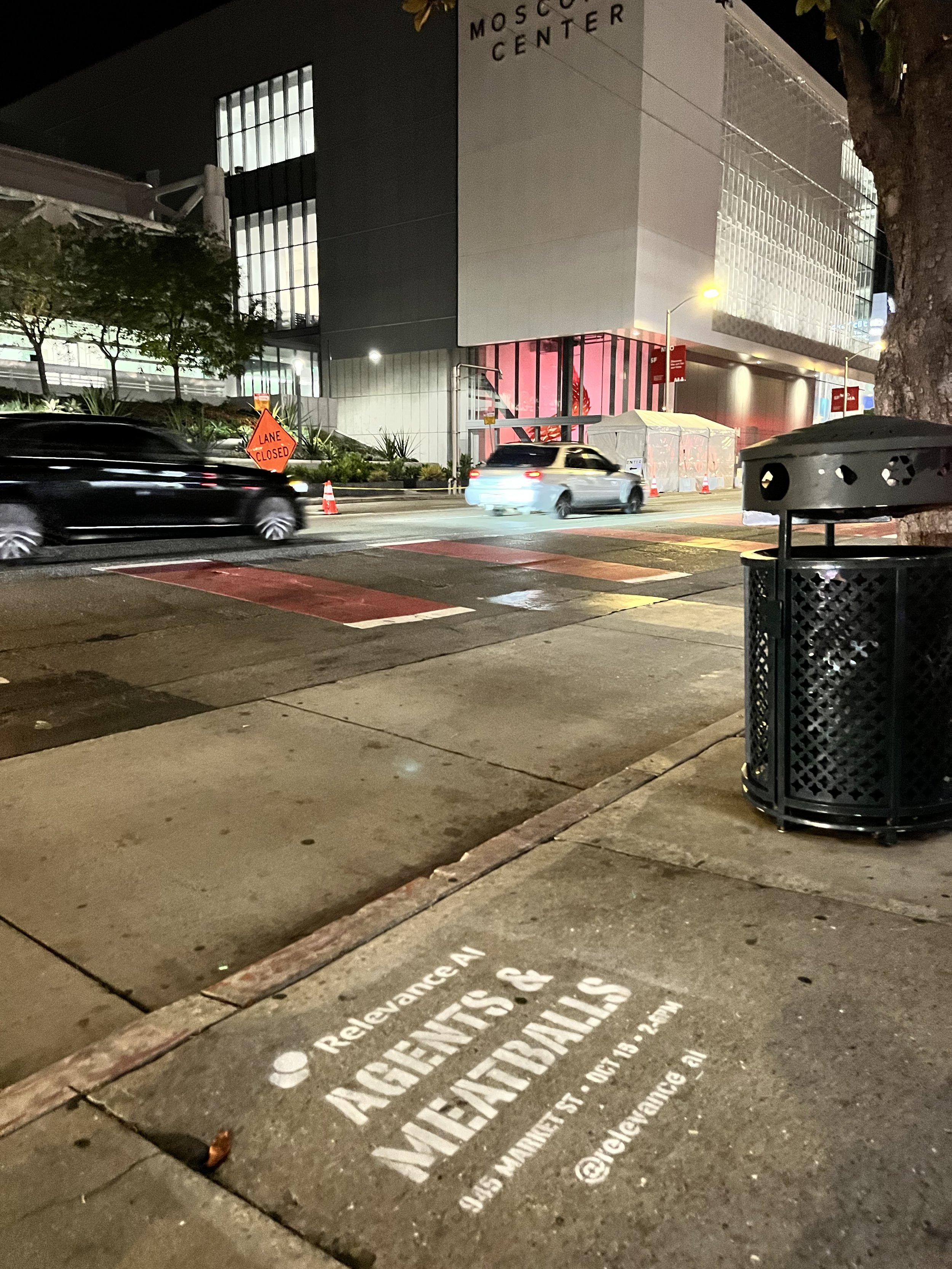
![sidewalk stencil in san francisco]()
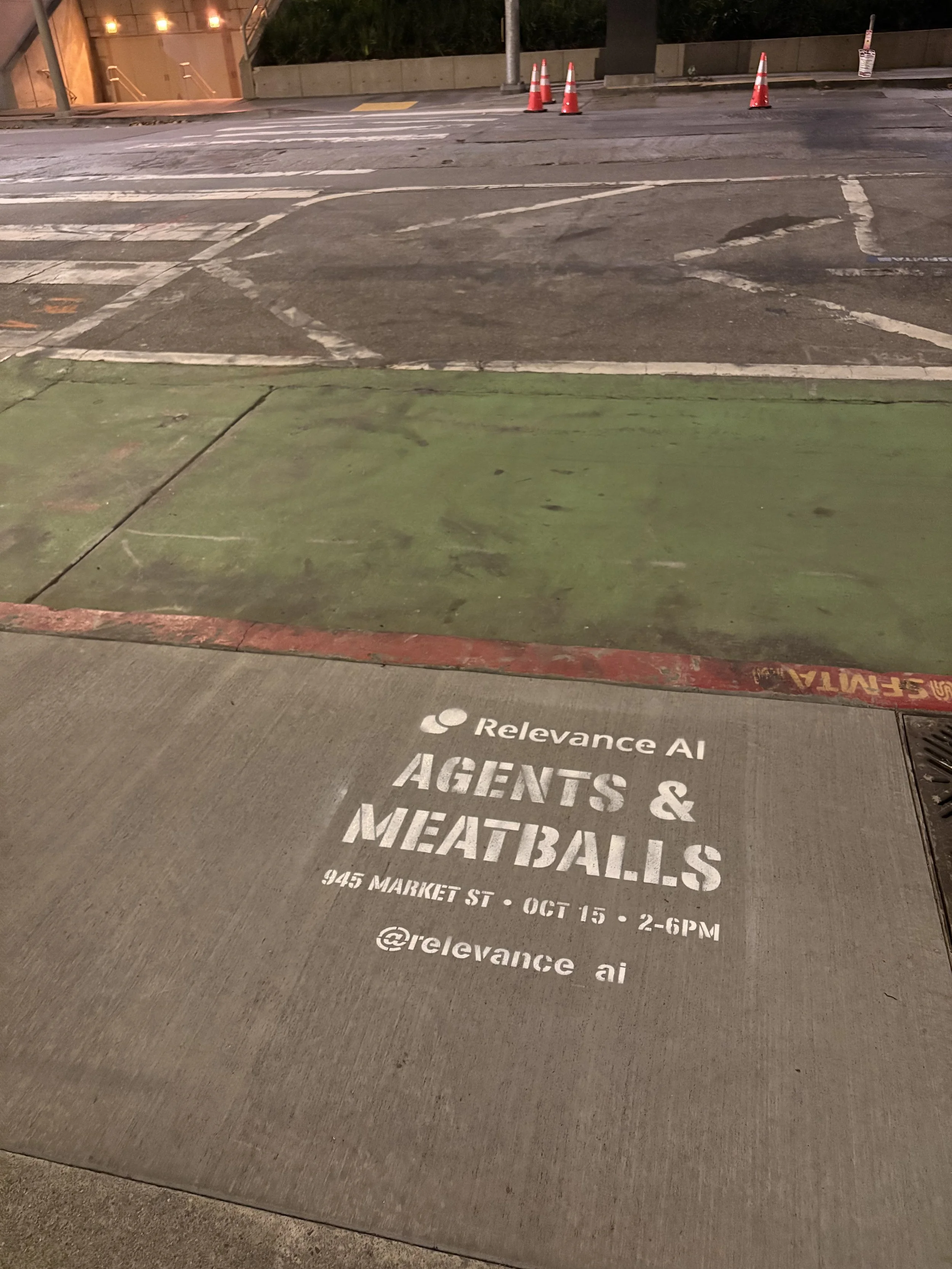
SIDEWALK STENCils
Custom-cut designs spray-painted onto sidewalks. Stencils create high-visibility messages that guide foot traffic and reinforce branding at street level.
-
![Snipe advertisement by sidewalk activations]()
Snipe Ads
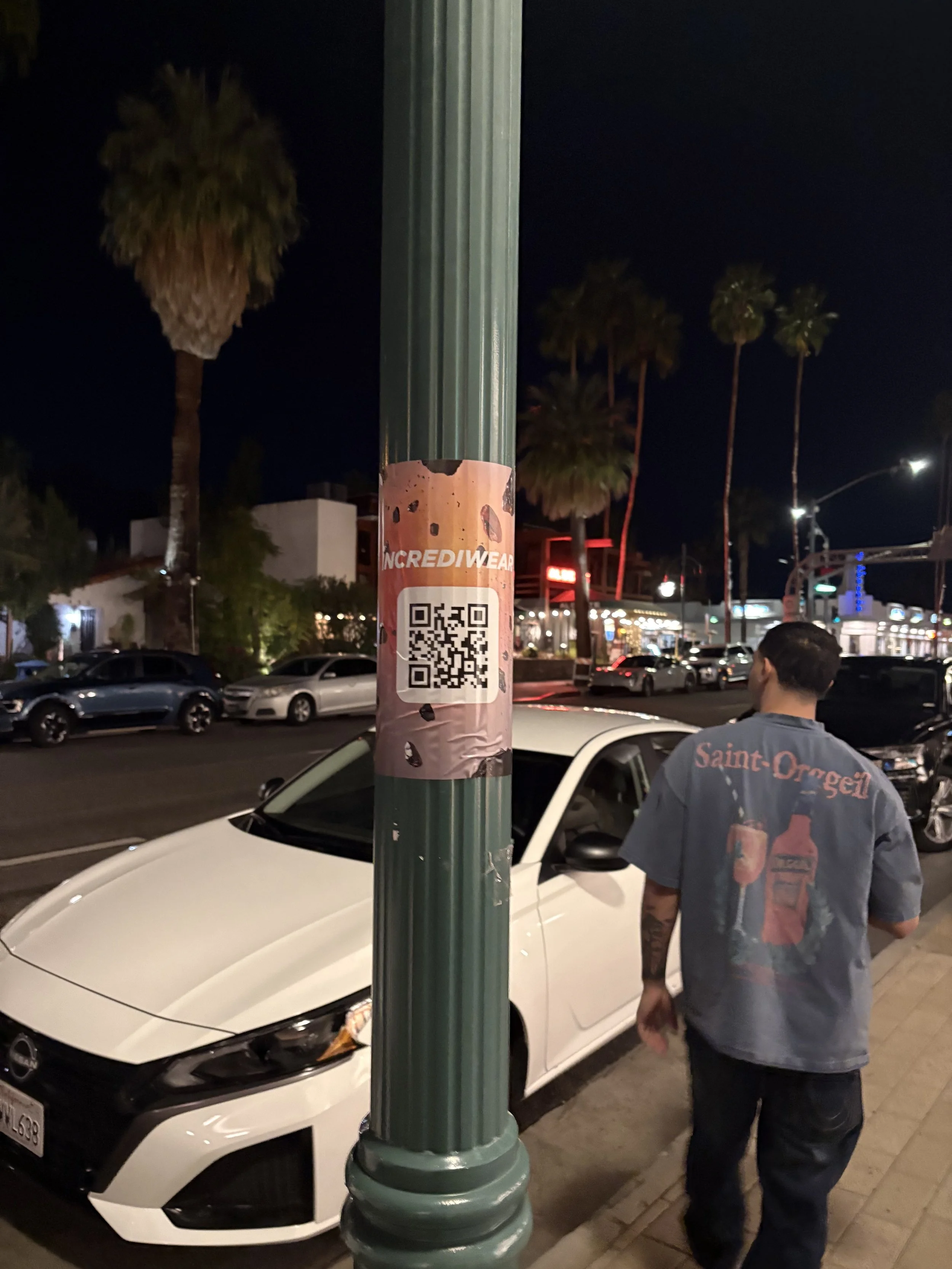
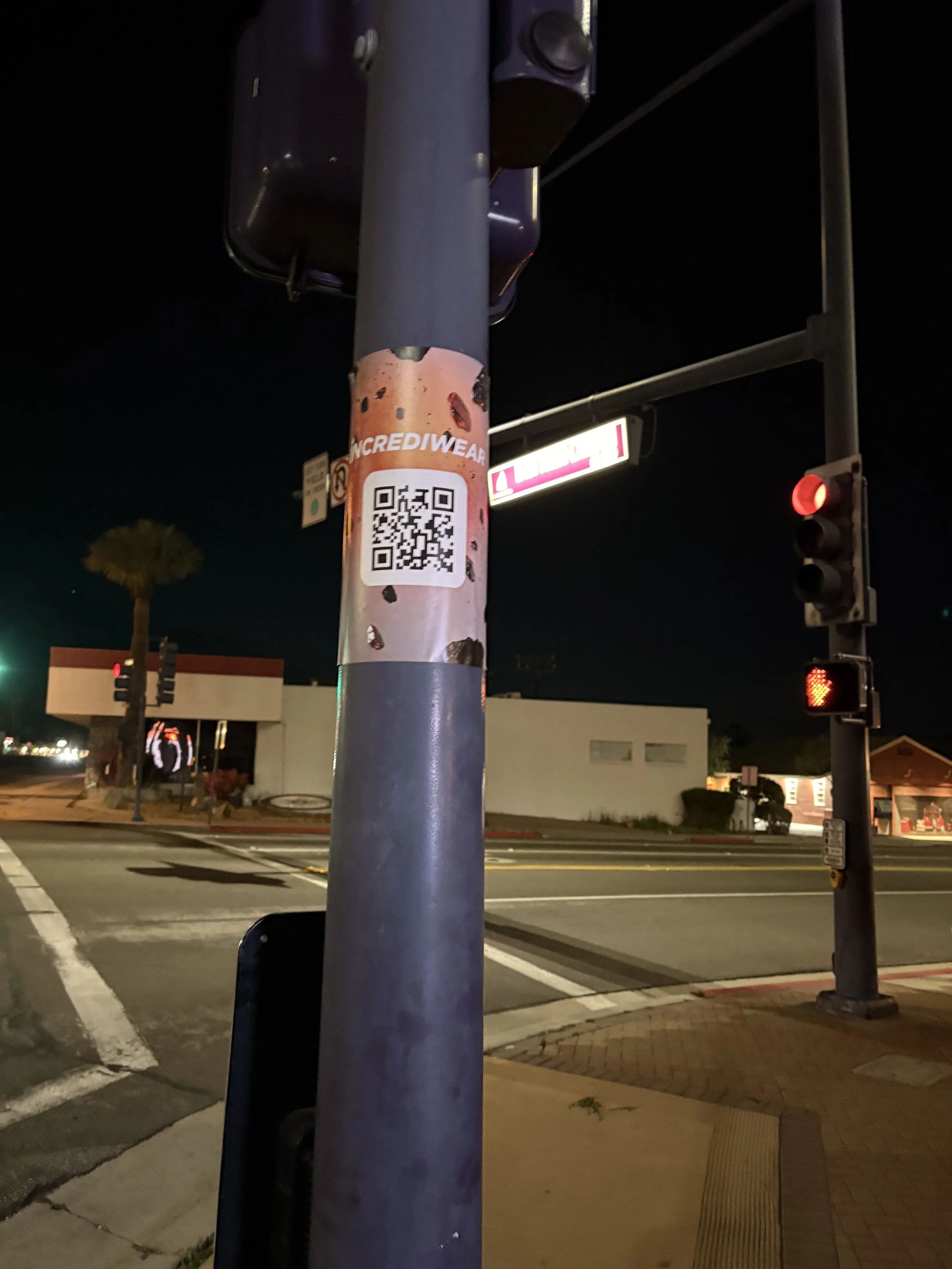
Snipe advertising places small 8.5" x 11" posters on poles, street lamps, and sign posts, capturing eye-level attention and building frequency throughout high-traffic corridors.
-
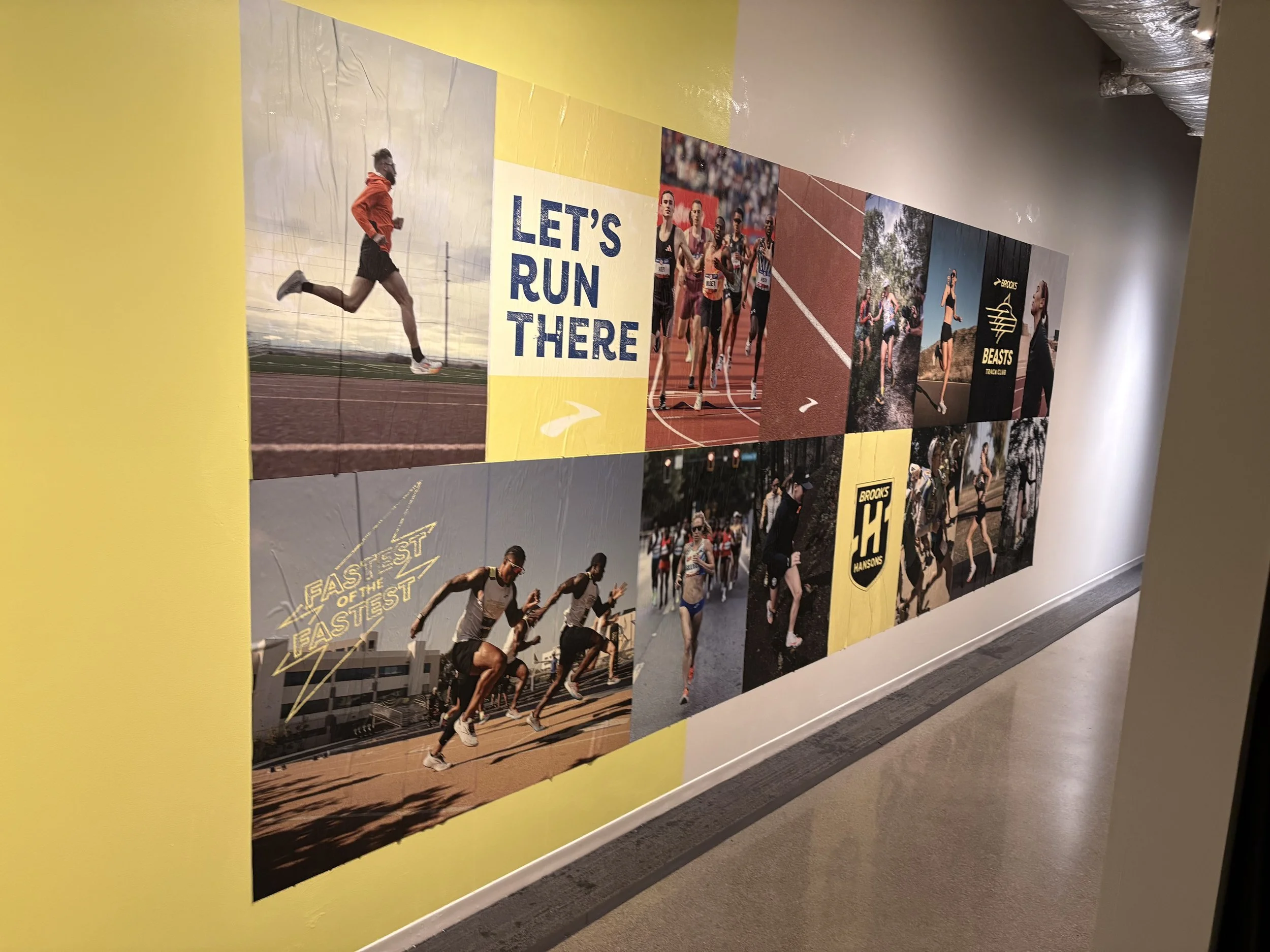
![wheat paste poster installation inside office]()
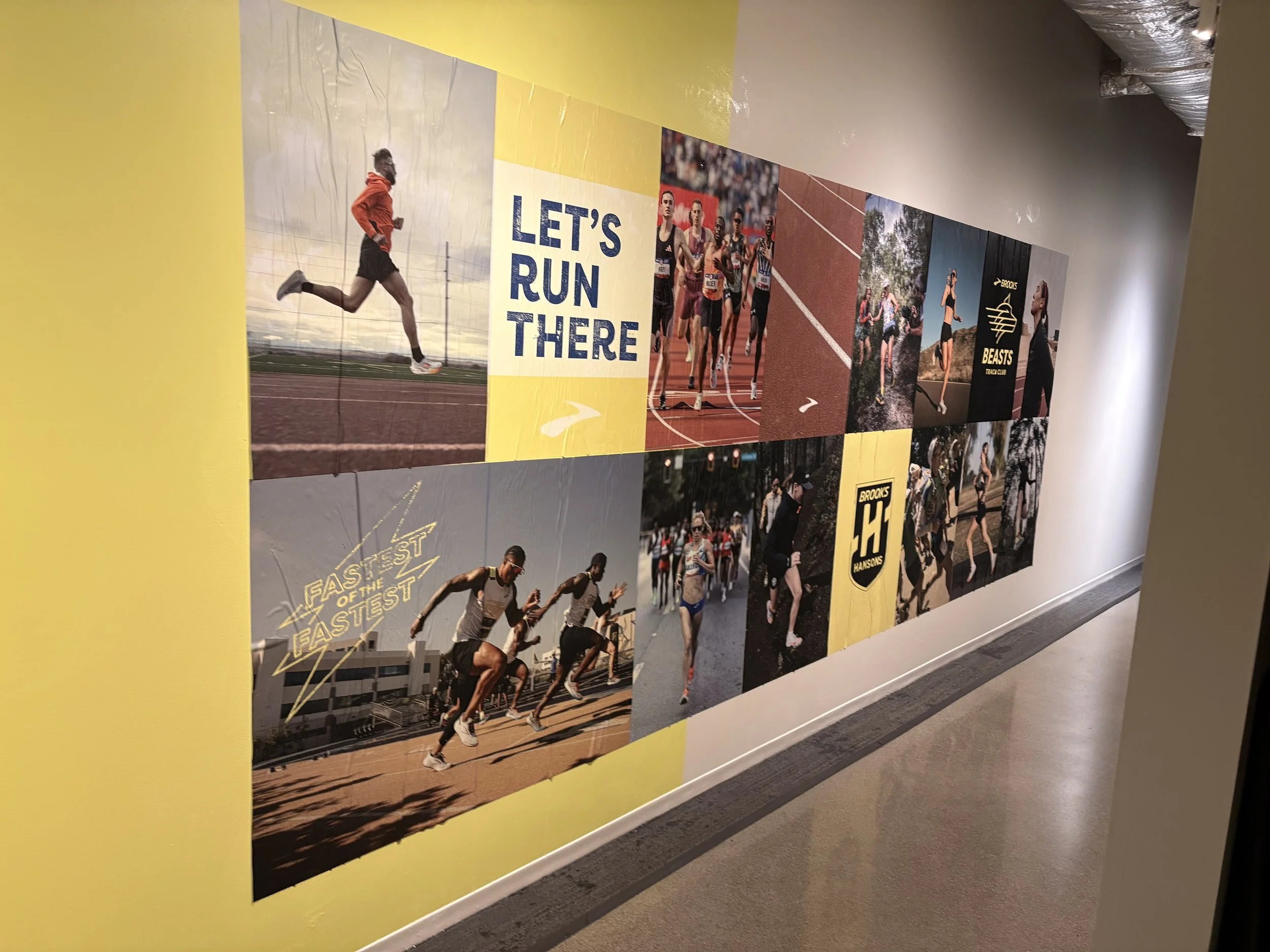
indoor wheat paste poster installs
indoor installation inside office space
contact us
Guerrilla Marketing in Portland Oregon
Portland presents a landscape of extraordinary character and complexity, a city of 95 officially recognized neighborhoods spread across six sextants—North, Northeast, Northwest, South, Southeast, and Southwest—each with its own identity, architectural heritage, and community rhythm . For a guerrilla agency like Sidewalk Activation, success here depends on understanding that Portland is not a monolith but a federation of fiercely independent communities, from the historic Victorian homes of Laurelhurst to the creative energy of the Alberta Arts District, from the funky Hawthorne District to the family-friendly neighborhoods of East Portland. The city's unique governance structure, with volunteer-based neighborhood associations serving as liaisons between residents and city government through the Office of Community & Civic Life, means that community engagement is not just recommended but essential . Portland's identity as a city that values authenticity, sustainability, and local character is woven into every neighborhood's DNA. The guerrilla marketer in Portland must become a student of the city's neighborhoods, a respectful participant in its communities, and a navigator of a regulatory environment where a single misstep—like the 2008 Jobdango chalk-ad campaign that cost the company $5,446 in cleanup costs—can generate lasting resentment .
Downtown Portland serves as the city's urban core, a dynamic area that has seen significant foot traffic recovery in recent years. More than 32 million pedestrians visited downtown in 2025, an increase of 5.5% over the previous year, with 18 of the last 20 months showing year-over-year growth . Saturdays have rebounded to nearly 90% of pre-pandemic levels, with several Saturdays actually surpassing 2019 activity . The busiest epicenters of activity include the intersection by Powell's Books, the food cart pod near Southwest Park and Burnside, and Pioneer Place . Summer events play a major role, particularly the Rose Festival, whose Starlight Parade and Grand Floral Parade drew "jam-packed" crowds in 2025 . The downtown core is served by the Downtown Portland Clean & Safe district, which publishes regular foot traffic statistics and works to maintain cleanliness and safety in partnership with the Portland Metro Chamber . This data-driven approach to understanding pedestrian flow allows Sidewalk Activation to design campaigns that align with actual movement patterns and peak activity periods.
The neighborhoods east of the Willamette River offer distinct environments that have shaped Portland's national identity. Buckman, the first eastside neighborhood, is bounded by SE 28th, Hawthorne Boulevard, East Burnside Street, and the Willamette River, with residential areas east of 12th Avenue and industrial uses to the west . Sunnyside blends Victorian and Craftsman homes with trendy shops, restaurants, and coffee houses along lively SE Hawthorne and Belmont streets, attracting young professionals, families, and creatives drawn to its urban-suburban mix and proximity to Laurelhurst and Mt. Tabor parks . The Laurelhurst neighborhood itself is a close-in residential area with historic homes, a namesake park, stone markers at entrances, an equestrian statue of Joan of Arc installed in the 1920s, and its historic district listed on the National Register of Historic Places . Mount Tabor offers acres of trails at the foot of a 600-foot volcanic peak, with the funky Hawthorne District right next door . These neighborhoods reward brands that understand their historic character and creative energy.
North and Northeast Portland contain some of the city's most culturally significant districts. The Alberta Arts District, spanning the King, Vernon, and Concordia neighborhoods, has become a regional destination for art, retail, and restaurants . The Mississippi District in the Boise neighborhood offers another creative hub . The Eliot neighborhood was formerly the center of Albina, a separate city consolidated into Portland in 1891, adding historical depth to its contemporary identity . These areas require culturally competent engagement that respects both their historical significance and their present-day creative energy.
The neighborhoods of Southeast Portland extend from the river to the city's eastern boundary. The Foster-Powell neighborhood is home to many young families and immigrants attracted by affordable housing . The Woodstock neighborhood, first platted in 1889, concentrates its business and civic activity in a Village Center along SE Woodstock Boulevard between SE 39th and SE 52nd Avenues . The Division Street corridor, which runs through multiple neighborhoods including Richmond and Mt. Scott-Arleta, has become a restaurant destination. The Lents neighborhood, which calls itself the "Crossroads of the Eastside," is a thriving, diverse community with opportunities for business owners . These areas reward brands willing to engage with ground-level communities and participate in neighborhood life.
South and Southwest Portland offer a different character, with neighborhoods like Multnomah Village providing a self-contained small-town feel within the city. The South Waterfront development represents Portland's newest urban neighborhood, with high-rise residential towers and emerging commercial space. The Collins View and Arnold Creek neighborhoods offer more residential, tree-filled environments. The Sylvan-Highlands area straddles the West Hills . These diverse environments require nuanced approaches that match their specific characters.
Portland's regulatory history includes a cautionary tale that any guerrilla marketer must know. In September 2008, Jobdango Inc., an online classifieds company, painted hundreds of 2-by-4-foot chalk advertisements on city streets overnight. The city considered it vandalism, noted that the company had pulled the same stunt three years earlier and been warned, and successfully sought $5,446.44 in cleanup costs . As Adam Salacuse, founder of Alt Terrain of Boston, noted at the time, "You don't want to mess with that. The goal of a guerrilla campaign is to do it in a way that people see it and enjoy it—and not ruffle feathers" . Using popular public venues such as sidewalks and parks is a clear no-no in guerrilla tactics, and campaigns must be designed with permits and permissions at their foundation .
The tourism economy adds another dimension to Portland's activation landscape. Out-of-town visitors spent $5.5 billion at local businesses in recent years, and the hotel industry employed nearly 35,000 people in 2025 . Lodging taxes contributed $23.7 million to the City of Portland's General Fund during the 2023-2025 fiscal year, supporting community services such as parks, fire, and transportation . Portland's Tourism Improvement District collects an additional 3% fee on overnight stays, with oversight from the lodging community, to promote Portland as a destination . The city partners with Sport Oregon to bring sporting events to City-owned venues including Moda Center, Providence Park, and Veterans Memorial Coliseum . Visitors are drawn to the city's cultural events, festivals, and authentic experiences, with Saturday foot traffic now approaching pre-pandemic levels .
Throughout this diverse landscape, the challenge of worker traffic remains a barrier to full recovery. While visitor and resident activity has rebounded significantly, office worker traffic remains at about 50% of pre-pandemic levels, well below the national average for economic recovery and less than cities like Seattle and Denver . Hybrid and remote work patterns continue to suppress weekday volumes, creating what one official called "a tale of two foot traffics" . This dynamic requires campaigns designed around weekend and evening activity, when residents and visitors are downtown, rather than the traditional weekday office-worker patterns of the past.
Sidewalk Activation brings deep local knowledge, regulatory expertise, and authentic community relationships to every Portland campaign. We understand that this is a city of 95 neighborhoods, each with its own neighborhood association, its own character, and its own expectations for respectful engagement. We know that the cautionary tale of the chalk ads still echoes through the regulatory environment, and that permits and permissions must be secured before any activation begins. We navigate the complex landscape of foot traffic data, understanding where and when people gather—at Powell's Books on a Saturday, along the food cart pods during summer evenings, at the Rose Festival parades when crowds pack the route . In a city where visitors spent $5.5 billion last year, where the hotel industry employs 35,000 people, and where 32 million pedestrians move through downtown annually, the brands that win are those that show up with respect, authenticity, and genuine commitment to the communities they seek to engage .
For more information, please contact us at info@sidewalkactivations.com.
SIDEWALK activation packages
At Sidewalk Activations, we specialize in four of the most impactful forms of street-level marketing: wheat pasting posters, sidewalk stencils, custom decals, and snipe advertising. Each format delivers bold visibility where it matters most—on the streets, in front of real people, in the middle of their daily routines. We don't just create ads—we create moments of discovery that spark curiosity, engagement, and conversation.
Sidewalk stencils are one of our signature tools. With custom-cut designs ranging from 6" x 60" up to 48" x 48", our stencils are built to stand out in high-traffic areas. Placed directly onto sidewalks and pavements with eco-friendly, temporary marking paint, these visuals are impossible to miss. They guide foot traffic, reinforce branding, and create a breadcrumb trail effect that leads people straight to your event, pop-up, or storefront.
Wheat pasting, on the other hand, gives brands a canvas that's larger-than-life. Our posters range from 24" x 36" to 48" x 72", transforming city walls into storyboards for your brand. From single-block takeovers to massive citywide campaigns, our wheat pasting is precise, creative, and always positioned in the neighborhoods that matter most for your audience.
Custom sidewalk decals offer a durable, high-impact alternative that sticks directly to pavement and interior floors. Available in sizes like 24" x 24", 17-inch circles, or fully custom shapes, our decals are built to withstand foot traffic while delivering crisp, vibrant branding. Perfect for guiding customers, reinforcing messages, or creating interactive floor experiences.
Snipe advertising adds the final layer to our street-level toolkit. These 8.5" x 11" posters are hand-placed on poles, street lamps, and sign posts—capturing attention at eye level in the moments between destinations. Small but mighty, snipes create frequency and reinforce your message throughout high-traffic corridors.
What makes Sidewalk Activations unique is how we combine these four formats into fully integrated campaigns. By weaving together wheat paste visuals, strategic stencil placements, durable decals, and snipe frequency, we ensure your brand connects with people from every angle—above eye level, at eye level, and beneath their feet. Each campaign is mapped, documented, and executed with attention to detail that guarantees your message not only lands but resonates.
WHEAT PASTING PACKAGE
Bring your brand to the streets with bold, large-format posters that dominate city walls and high-traffic neighborhoods. Our wheat pasting campaigns are fully mapped and strategically executed to maximize visibility where your audience lives, works, and plays. With poster sizes ranging from standard 24" x 36" to jumbo 48" x 72", we create campaigns that leave a lasting impression.
Each package includes:
Professional design consultation
Strategic placement in key locations
Full documentation of all poster hits
Options for single-block takeovers or citywide activations
SIDEWALK STENCILS PACKAGE
Put your message right where people walk. Our sidewalk stencils range in size from 6" x 60" up to 48" x 48", applied using eco-friendly, temporary paint in prime foot-traffic zones like shopping districts, event areas, subway exits, and nightlife hubs. With precise mapping and professional execution, stencils create a breadcrumb trail effect that guides pedestrians directly to your brand.
Each package includes:
Custom stencil design + production
Strategic deployment across 25–200+ hits depending on campaign scale
Eco-friendly paint applications
Documentation of all placements
CUSTOM DECALS PACKAGE
Make your mark stick with durable, high-impact custom decals. Available in 24" x 24", 17-inch circles, or fully custom shapes, our decals are designed to withstand heavy foot traffic while maintaining vibrant, crisp branding. Perfect for retail floors, indoor activations, sidewalk placements, and event spaces.
Each package includes:
Custom decal design + production
Durable, slip-resistant materials
Strategic placement in high-traffic zones
Full documentation of all installations
SNIPE ADVERTISING PACKAGE
Own the poles, street lamps, and sign posts. Our 8.5" x 11" snipe posters are hand-placed at eye level throughout high-traffic corridors, creating frequency and reinforcing your message in the moments between destinations. Small format, big impact.
Each package includes:
Custom snipe design + printing
Strategic placement on poles, street lamps, and sign posts
25–500+ placements depending on campaign scale
Full documentation of all hits
FULL IMPACT PACKAGE (WHEAT PASTING + STENCILS + DECALS + SNIPES)
For brands that want to completely own the streets, our combined package leverages the power of all four formats. Large-format posters dominate the visual landscape. Stencils reinforce the message at ground level. Decals create durable, lasting touchpoints. Snipes add frequency at eye level. Together, they create a multi-layered, high-impact experience that's impossible to ignore. Perfect for pop-ups, product launches, and nationwide rollouts.
Each package includes:
Complete wheat pasting campaign (24" x 36" up to 48" x 72")
Sidewalk stencil activations (25–200+ placements)
Custom decal installations (various sizes)
Snipe advertising placements (25–500+ hits)
Strategic mapping and placement for maximum visibility
Full campaign documentation + photos for reporting
Nationwide and international deployment
Contact us at info@sidewalkactivations.com to start your campaign today.
Frequently Asked questions PORTLAND OREGON
Portland is a city of 95 officially recognized neighborhoods, each with its own volunteer-based neighborhood association and distinct character . How does that shape your guerrilla marketing approach?
Portland's identity is woven into its neighborhoods, from the historic Victorian homes of Laurelhurst to the creative energy of the Alberta Arts District . A one-size-fits-all campaign simply doesn't work here. At Sidewalk Activation, we treat each neighborhood as its own micro-market with a unique cultural fingerprint. The historic, residential character of Laurelhurst, with its National Register-listed historic district and equestrian statue of Joan of Arc, demands a different approach than the funky, commercial energy of the Hawthorne District in Sunnyside . Our guerrilla strategy is about matching the neighborhood's rhythm, whether that means activating along the trails at Mount Tabor or creating a gallery crawl experience during Alberta's monthly art walks. For more information, please contact us at info@sidewalkactivations.com.
More than 32 million pedestrians visited downtown Portland in 2025, with Saturday traffic nearing pre-pandemic levels . How do you leverage this pedestrian flow for guerrilla campaigns?
Downtown Portland's pedestrian recovery is one of the most significant stories in the city's revitalization. With 5.5% year-over-year growth and 18 of the last 20 months showing increases, the data tells a clear story of returning vitality . The busiest epicenters include the intersection by Powell's Books, the food cart pod near Southwest Park and Burnside, and Pioneer Place . Saturdays have rebounded to nearly 90% of pre-pandemic levels, with several Saturdays actually exceeding 2019 activity . Sidewalk Activation designs what we call "flow state" marketing for these high-traffic corridors. We position activations at these natural gathering points, creating experiences that become part of the pedestrian tapestry rather than interruptions to it. The key is understanding that weekend visitors and residents are driving this recovery, not weekday office workers, so our timing must match their rhythms. For more information, please contact us at info@sidewalkactivations.com.
In 2008, a company was forced to pay $5,446 in cleanup costs after a chalk-ad campaign on city streets . How do you navigate Portland's regulatory environment?
The Jobdango incident is a permanent cautionary tale in Portland's marketing history. The company painted hundreds of 2-by-4-foot chalk advertisements on city streets overnight, was considered a vandal, and had to pay thousands in cleanup costs after pulling the same stunt three years earlier . As guerrilla marketing expert Adam Salacuse noted, "You don't want to mess with that. The goal of a guerrilla campaign is to do it in a way that people see it and enjoy it—and not ruffle feathers" . Sidewalk Activation builds compliance into our creative process from day one. We secure all necessary permits, ensure our campaigns don't create public nuisances, and partner with private property owners and local businesses to create activations that are both legal and welcomed by the community. In Portland, where neighborhoods have strong associations and community voices carry weight, working with experts who understand the regulatory landscape is essential. For more information, please contact us at info@sidewalkactivations.com.
Sunnyside blends Victorian and Craftsman homes with trendy shops along Hawthorne and Belmont . How do you create campaigns that fit this vibrant, eclectic environment?
Sunnyside represents Portland's creative, walkable spirit at its best. The neighborhood attracts young professionals, families, and creatives drawn to its historic charm and urban amenities, with Laurelhurst and Mt. Tabor parks nearby . Hawthorne Boulevard and Belmont Street offer lively commercial corridors lined with locally owned coffee houses, restaurants, and shops . Sidewalk Activation approaches Sunnyside as a participant in its creative ecosystem, not an intruder upon it. We partner with local businesses along these commercial strips, activate during peak shopping and dining hours, and design experiences that could stand alongside the neighborhood's distinctive character. The key is understanding that Sunnyside residents have chosen a walkable, community-focused lifestyle and respond to brands that contribute to that atmosphere. For more information, please contact us at info@sidewalkactivations.com.
Laurelhurst is a close-in residential area with historic homes and a National Register-listed historic district . How do you respectfully engage in such a sensitive historic neighborhood?
Laurelhurst's historic character is protected and cherished by its residents, with stone markers at entrances, an equestrian statue of Joan of Arc installed in the 1920s, and architectural significance that earned it a place on the National Register . This is not a neighborhood for commercial interruption. Sidewalk Activation approaches Laurelhurst with profound respect for its historic character. We look for opportunities to engage at the edges—perhaps near the commercial corridors that border the neighborhood or through partnerships with the neighborhood association on community events. The key is understanding that Laurelhurst residents have chosen a historic, residential environment and value their privacy and neighborhood character above all else. For more information, please contact us at info@sidewalkactivations.com.
Mount Tabor offers acres of trails at the foot of a volcanic peak, with the Hawthorne District nearby . How do you use Portland's parks and natural assets for guerrilla engagement?
Mount Tabor is one of Portland's most beloved natural assets, a 600-foot volcanic peak with trails, reservoirs, and spectacular city views . It draws runners, walkers, families, and nature lovers from across the city. Sidewalk Activation designs "pit stop" experiences along trail heads and at park gathering points, offering hydration, comfortable seating, and interactive moments that enhance the recreation experience. The goal is to become a positive part of someone's perfect day in the park, a brand associated with the joy of outdoor recreation. The adjacent Hawthorne District offers opportunities to extend that engagement into the commercial realm, capturing the same audiences as they move from nature to shopping and dining. For more information, please contact us at info@sidewalkactivations.com.
Out-of-town visitors spent $5.5 billion in Portland recently, and the hotel industry employs 35,000 people . How do you balance visitor engagement with respect for permanent residents?
Portland's tourism economy is massive, generating $5.5 billion in visitor spending and supporting tens of thousands of jobs . The 13% lodging taxes paid by visitors contribute $23.7 million to the City's General Fund, supporting parks, fire, and transportation . But this visitor economy must coexist with the daily lives of permanent residents. Sidewalk Activation treats these two audiences separately while finding intersections where they naturally overlap. Visitor-focused activations concentrate around hotels, the convention center, major events like the Rose Festival, and iconic attractions like Powell's Books . Resident-focused activations require deeper community engagement and partnership with neighborhood associations. The magic happens at places like the food cart pods or during cultural festivals, where both audiences gather and brands can create shared experiences. For more information, please contact us at info@sidewalkactivations.com.
The Rose Festival draws "jam-packed" crowds to downtown parades . How do you leverage Portland's major events for guerrilla campaigns?
Portland's events calendar offers concentrated opportunities for engagement. The Rose Festival's Starlight Parade and Grand Floral Parade drew enormous crowds in 2025, with one official describing riding through the parade as a "gratitude tour" hearing "shouts and the love from every single corner" . These events transform the downtown core into a massive celebration, with visitors and residents alike in an open, festive state of mind. Sidewalk Activation designs campaigns that integrate with this event energy without disrupting it. We activate along parade routes, at festival grounds, and at transportation hubs, creating experiences that complement the celebration. The key is understanding that these events draw crowds that are already seeking joy and connection, making them uniquely receptive to positive brand experiences. For more information, please contact us at info@sidewalkactivations.com.
Worker traffic downtown remains at about 50% of pre-pandemic levels, well below other cities . How does this affect your activation strategy?
Portland faces what officials call "a tale of two foot traffics": while visitor and resident activity has rebounded strongly, office worker traffic remains stubbornly low . This means traditional weekday, lunch-hour activations are less effective than they once were, while weekend and evening opportunities have grown. Sidewalk Activation designs campaigns around this new reality. We focus on Saturdays, which have rebounded to nearly 90% of pre-pandemic levels, and on evenings when residents and visitors fill restaurants and entertainment venues . We track the data from Downtown Portland Clean & Safe, which shows monthly pedestrian counts and emerging patterns, and adjust our strategies accordingly . The key is understanding that Portland's recovery is visitor-led, not worker-led, and campaigns must follow the people who are actually downtown. For more information, please contact us at info@sidewalkactivations.com.
The Alberta Arts District spans multiple neighborhoods and is a regional destination for art and retail . How do you approach activation in a district that crosses neighborhood boundaries?
The Alberta Arts District, spanning the King, Vernon, and Concordia neighborhoods, demonstrates how creative energy can unite multiple communities . The district is known for its galleries, restaurants, and monthly art walks that draw visitors from across the region. This cross-neighborhood character requires a coalition approach to engagement. Sidewalk Activation partners with multiple neighborhood associations, local businesses, and arts organizations to create campaigns that feel coherent across the district while respecting each neighborhood's identity. The key is understanding that Alberta's strength comes from its collaborative spirit, and brands that show up as partners rather than intruders earn the trust of this creative community. For more information, please contact us at info@sidewalkactivations.com.
Wheat paste poster advertising in the following states
Alabama (AL)
Birmingham, AL
Huntsville, AL
Montgomery, AL
Mobile, ALArkansas (AR)
Little Rock, AR
Fayetteville, AR
Fort Smith, AR
Springdale, ARCalifornia (CA)
Los Angeles, CA
San Diego, CA
San Jose, CA
San Francisco, CAColorado (CO)
Denver, CO
Colorado Springs, CO
Aurora, CO
Fort Collins, COConnecticut (CT)
Bridgeport, CT
New Haven, CT
Stamford, CT
Hartford, CTDelaware (DE)
Wilmington, DE
Dover, DE
Newark, DE
Middletown, DE
Indiana (IN)
Indianapolis, IN
Fort Wayne, IN
Evansville, IN
South Bend, INIowa (IA)
Des Moines, IA
Cedar Rapids, IA
Davenport, IA
Sioux City, IAKansas (KS)
Wichita, KS
Overland Park, KS
Kansas City, KS
Olathe, KSKentucky (KY)
Louisville, KY
Lexington, KY
Bowling Green, KY
Owensboro, KYLouisiana (LA)
New Orleans, LA
Baton Rouge, LA
Shreveport, LA
Lafayette, LAMaine (ME)
Portland, ME
Lewiston, ME
Bangor, ME
South Portland, MEMaryland (MD)
Baltimore, MD
Columbia, MD
Germantown, MD
Silver Spring, MD
Massachusetts (MA)
Boston, MA
Worcester, MA
Springfield, MA
Cambridge, MAMichigan (MI)
Detroit, MI
Grand Rapids, MI
Warren, MI
Sterling Heights, MIMinnesota (MN)
Minneapolis, MN
Saint Paul, MN
Rochester, MN
Bloomington, MNMississippi (MS)
Jackson, MS
Gulfport, MS
Southaven, MS
Hattiesburg, MSMissouri (MO)
Kansas City, MO
St. Louis, MO
Springfield, MO
Columbia, MOMontana (MT)
Billings, MT
Missoula, MT
Great Falls, MT
Bozeman, MT
Nebraska (NE)
Omaha, NE
Lincoln, NE
Bellevue, NE
Grand Island, NENevada (NV)
Las Vegas, NV
Henderson, NV
Reno, NV
North Las Vegas, NVNew Hampshire (NH)
Manchester, NH
Nashua, NH
Concord, NH
Dover, NHNew Jersey (NJ)
Newark, NJ
Jersey City, NJ
Paterson, NJ
Elizabeth, NJ
New Mexico (NM)
Albuquerque, NM
Las Cruces, NM
Rio Rancho, NM
Santa Fe, NMNew York (NY)
New York City, NY
Buffalo, NY
Rochester, NY
Yonkers, NYNorth Carolina (NC)
Charlotte, NC
Raleigh, NC
Greensboro, NC
Durham, NCNorth Dakota (ND)Fargo, ND
Bismarck, ND
Grand Forks, ND
Minot, NDOklahoma (OK)
Oklahoma City, OK
Tulsa, OK
Norman, OK
Broken Arrow, OK
Tennessee (TN)
Nashville, TN
Memphis, TN
Knoxville, TN
Chattanooga, TNUtah (UT)
Salt Lake City, UT
West Valley City, UT
Provo, UT
West Jordan, UTVermont (VT)
Burlington, VT
South Burlington, VT
Rutland, VT
Barre, VTVirginia (VA)
Virginia Beach, VA
Chesapeake, VA
Norfolk, VA
Richmond, VAWashington (WA)
Seattle, WA
Spokane, WA
Tacoma, WA
Vancouver, WAWest Virginia (WV)
Charleston, WV
Huntington, WV
Morgantown, WV
Parkersburg, WVWisconsin (WI)
Milwaukee, WI
Madison, WI
Green Bay, WI
Kenosha, WI