
Seattle’s technology driven economy and thriving arts culture create an engaged audience for creative guerrilla marketing. Neighborhoods such as Capitol Hill, Belltown, and Downtown Seattle provide excellent environments for street poster campaigns and sidewalk activations. Wheat pasting installations across these districts allow brands to connect with pedestrians moving through one of the Pacific Northwest’s most influential cities.
High Impact Guerrilla Marketing in Seattle Washington
our services
-
![what pasting campaign by sidewalk activations]()
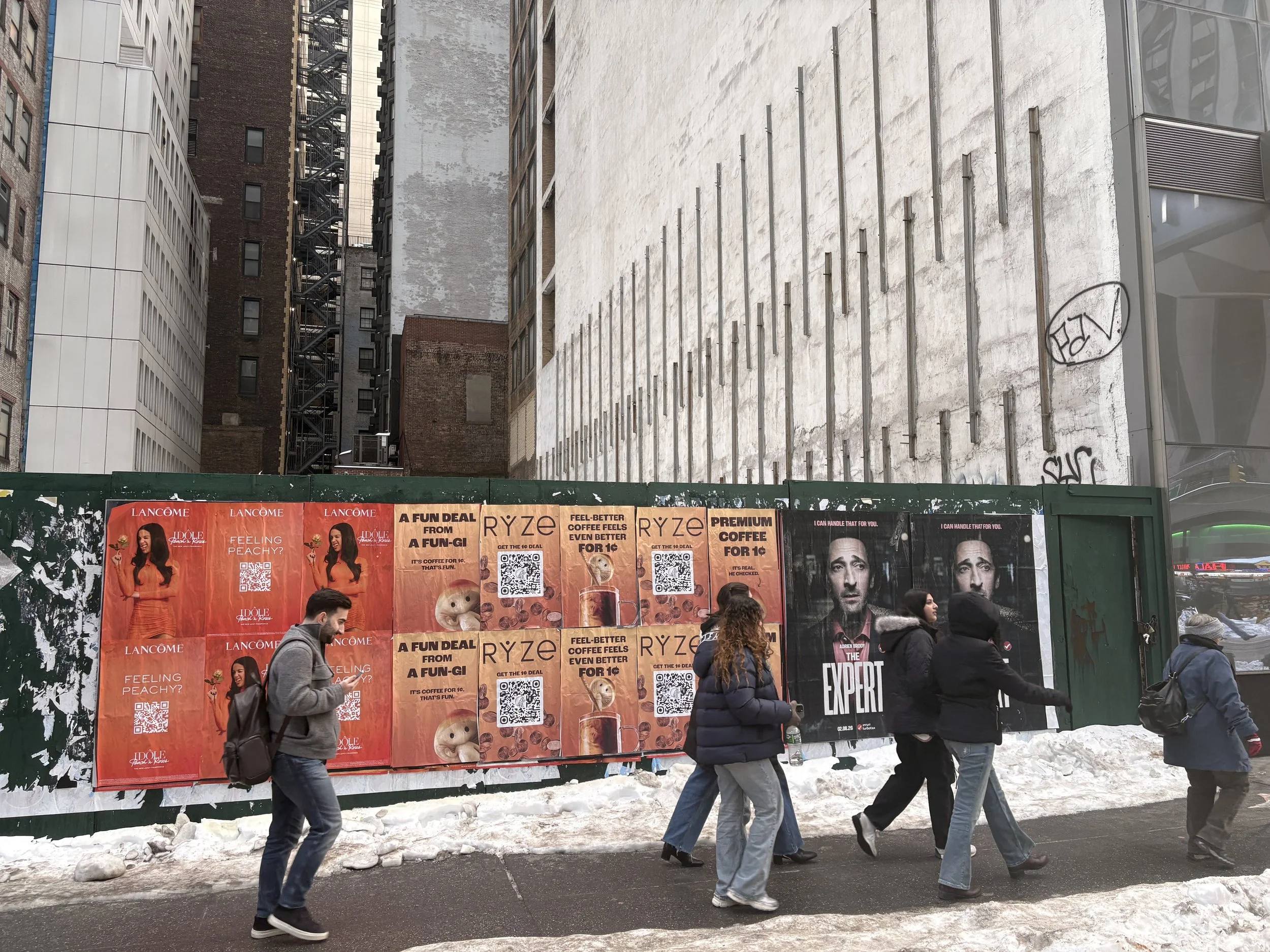
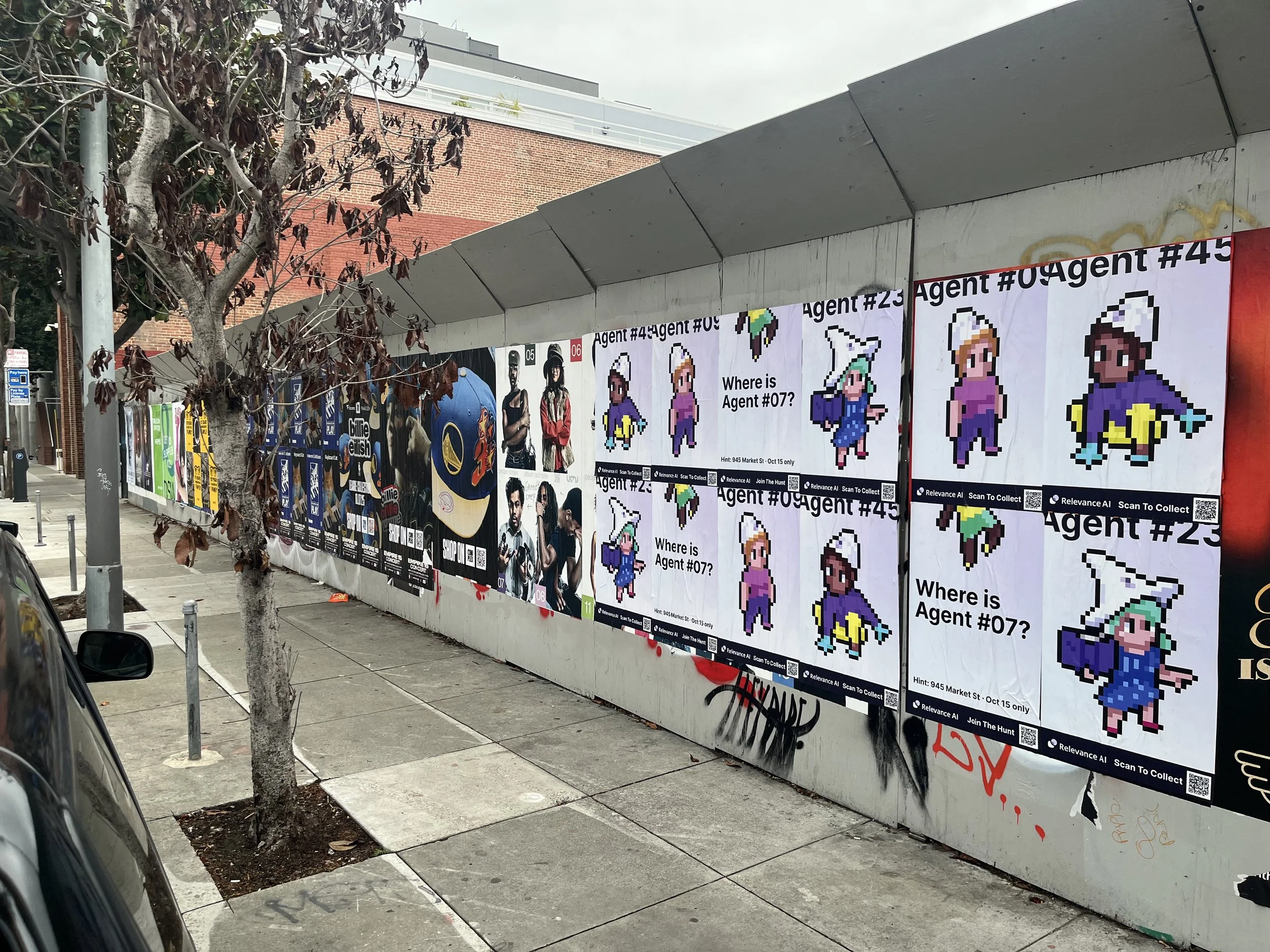
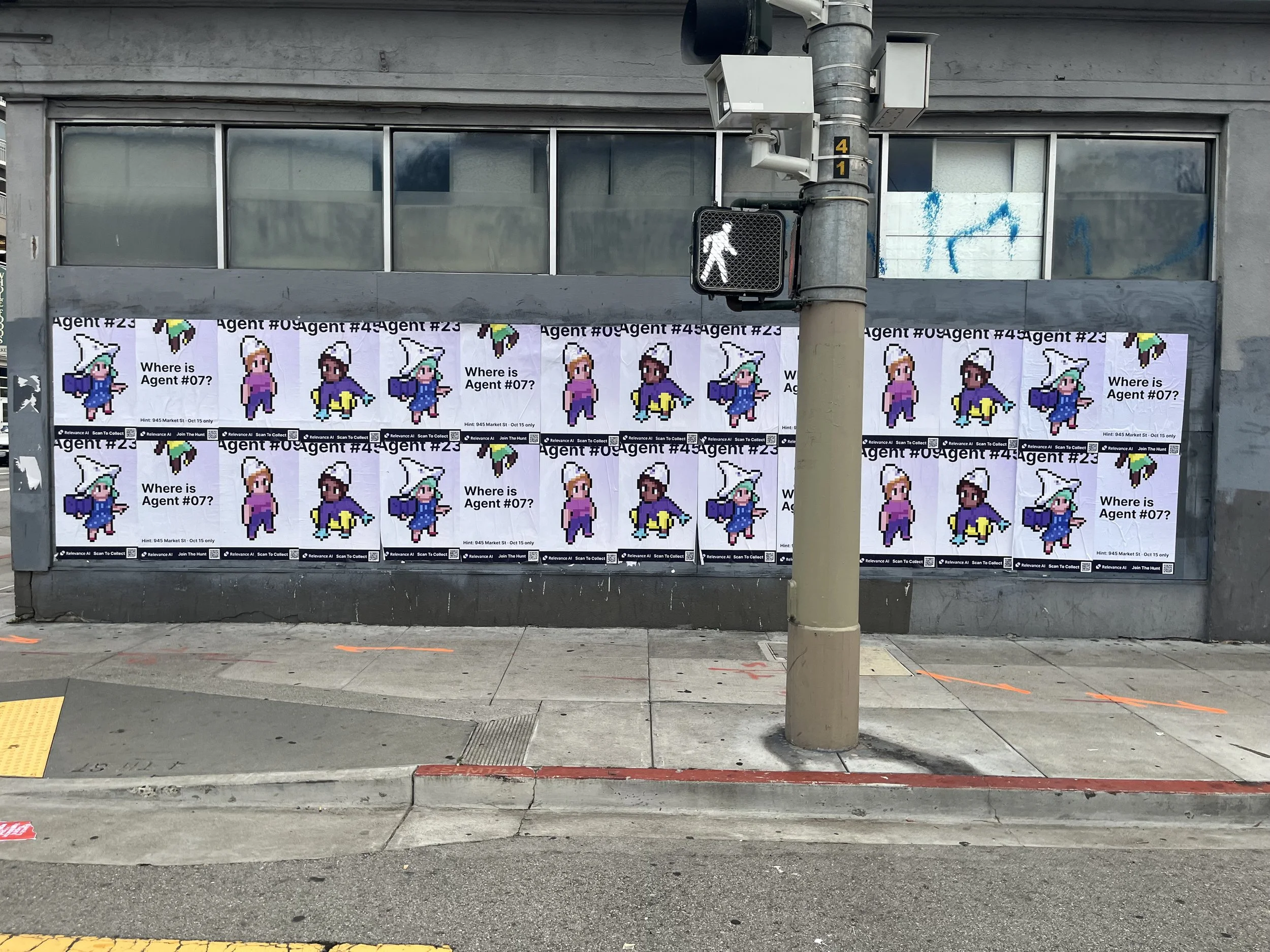
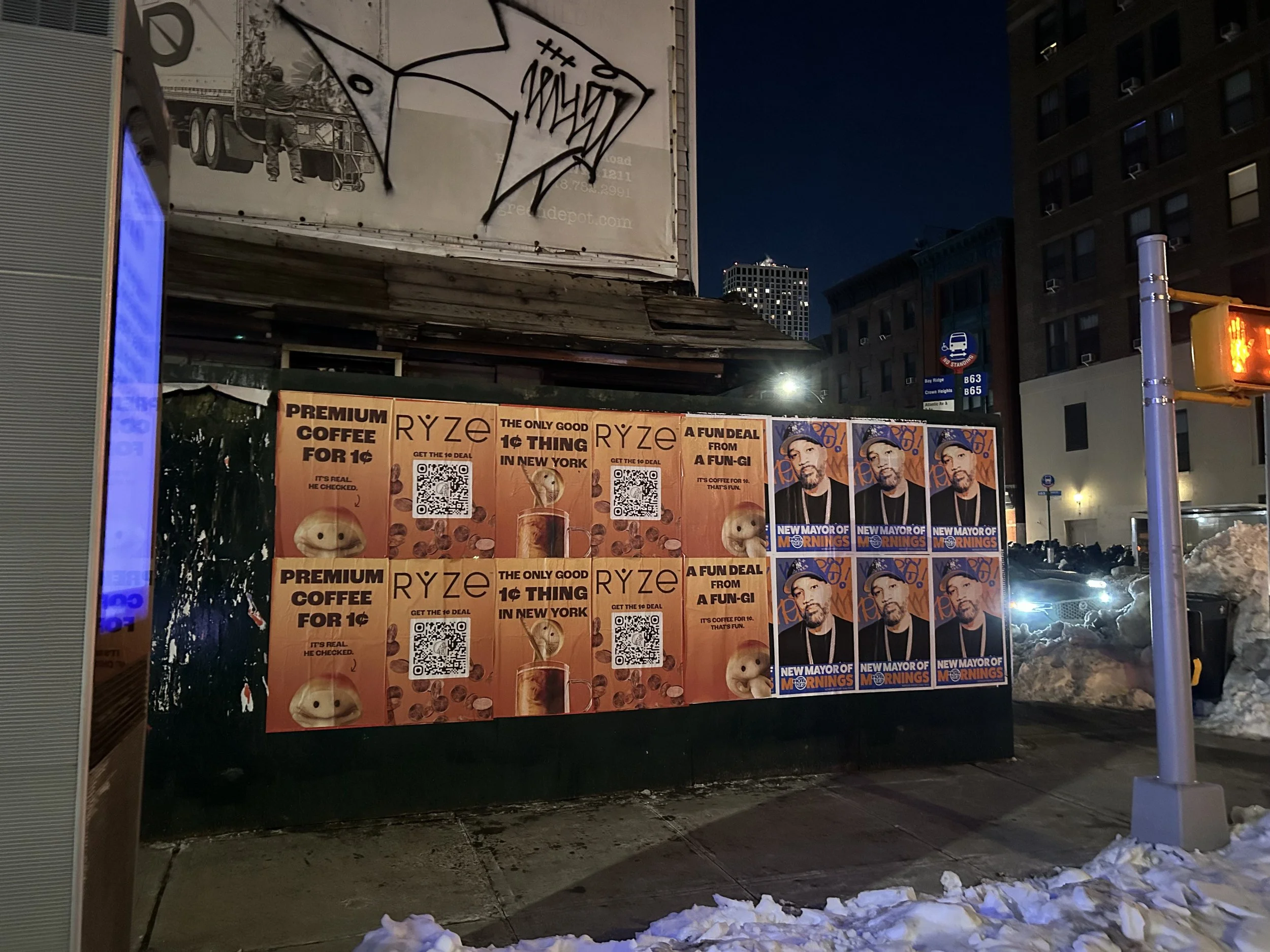
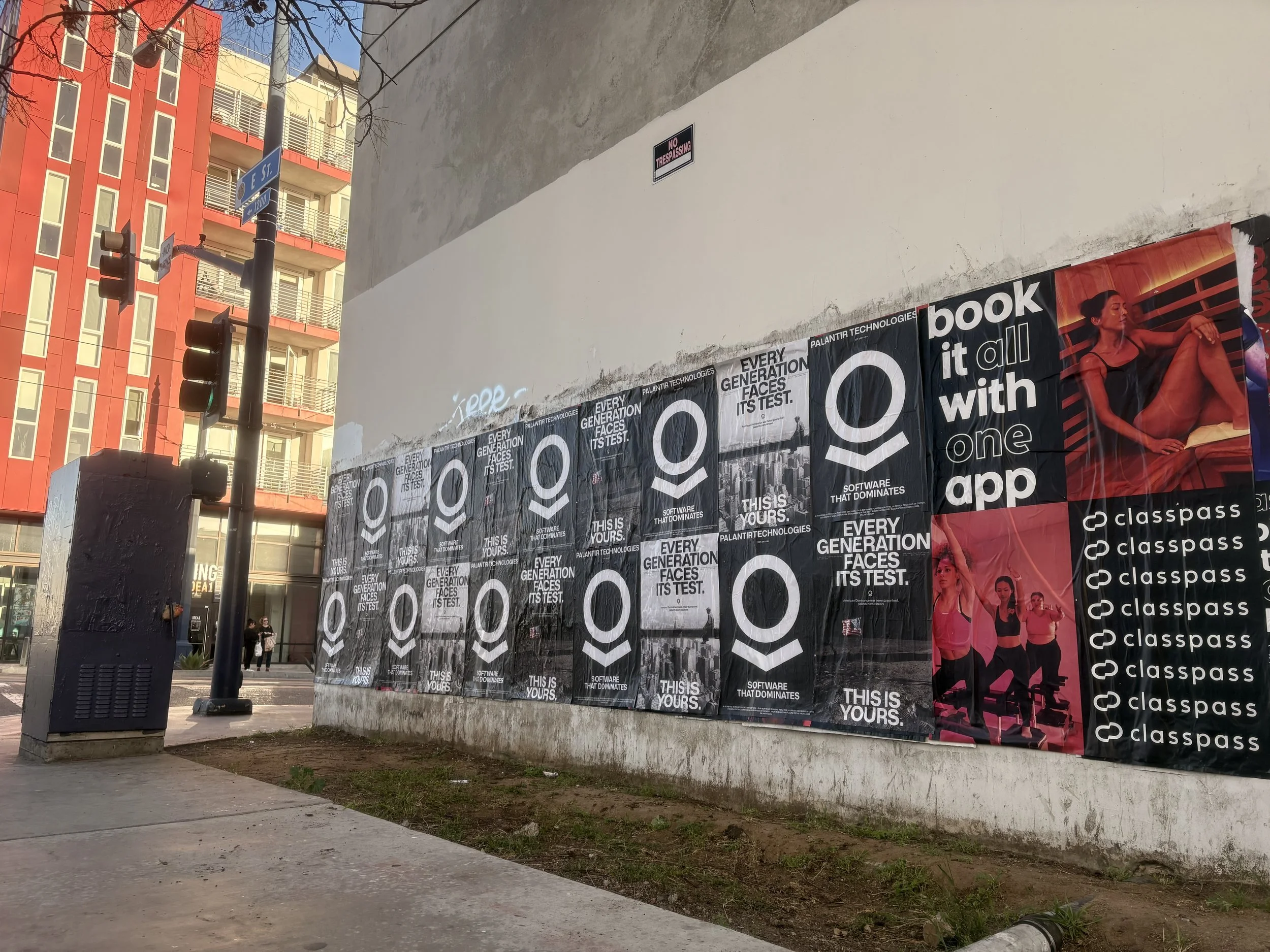
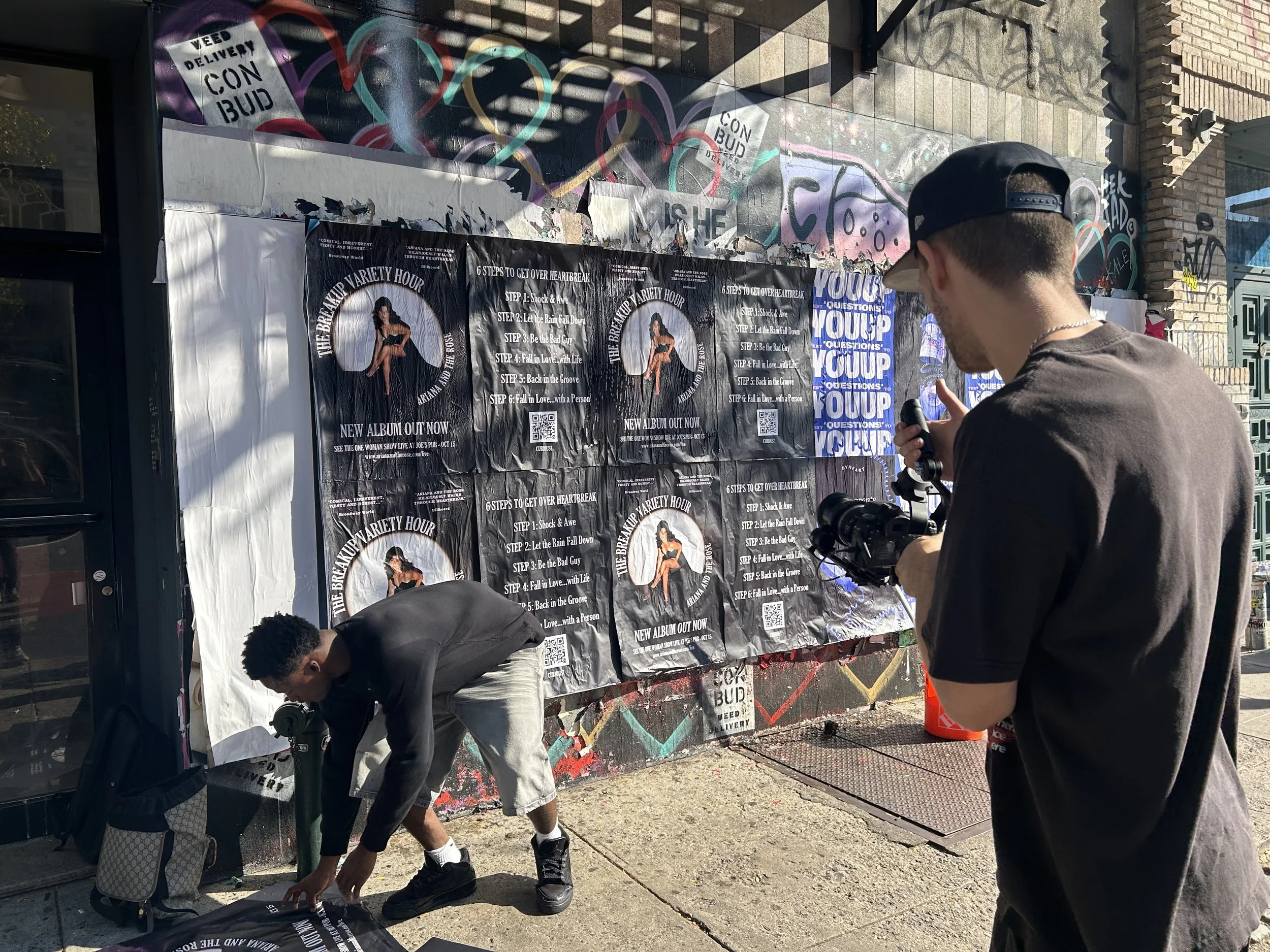
wheat paste posters
Large-format paper posters adhered to walls. Wheat pasting turns building facades into bold brand canvases.
-
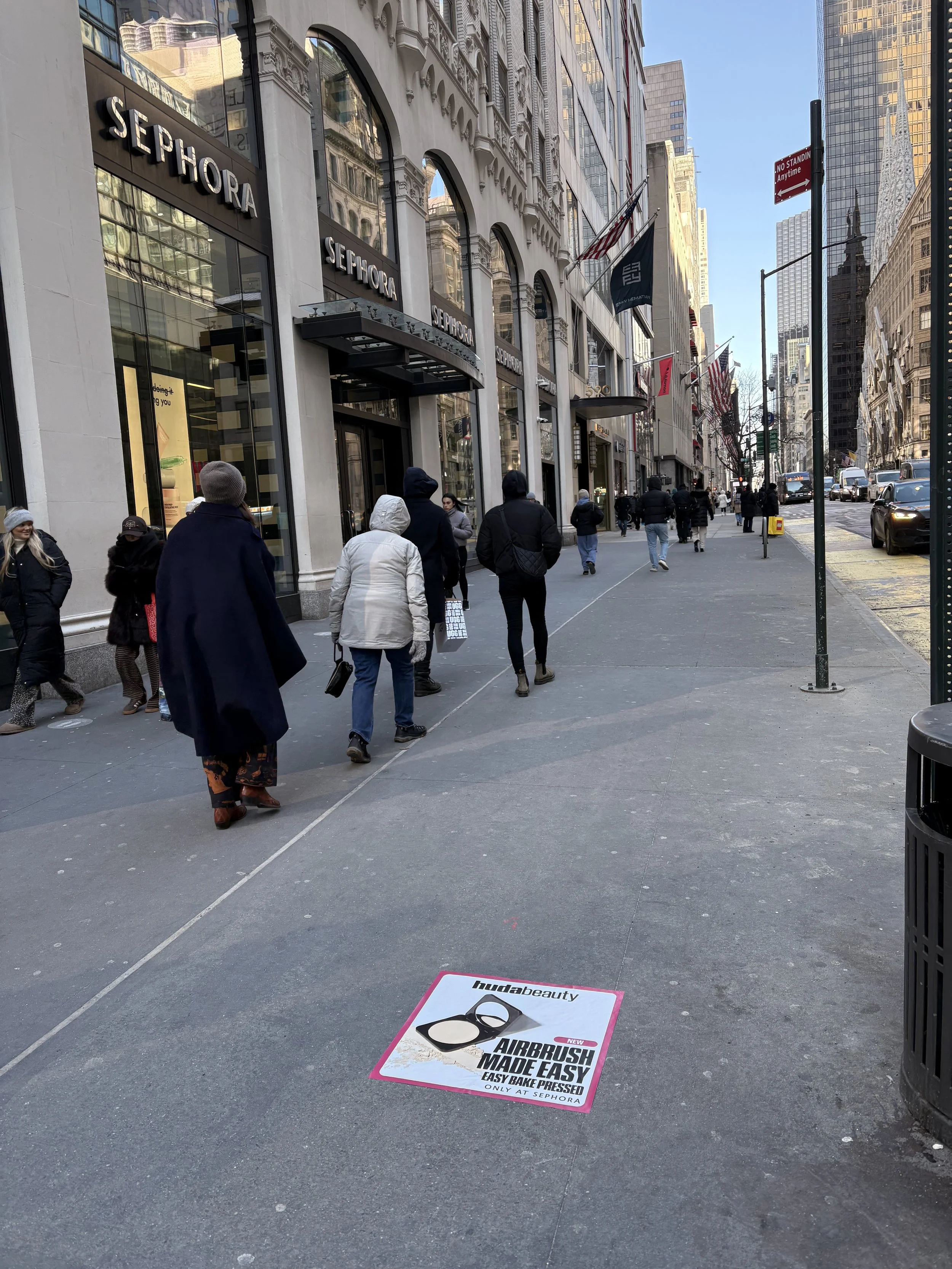
![Sidewalk decal/graphic in times square]()
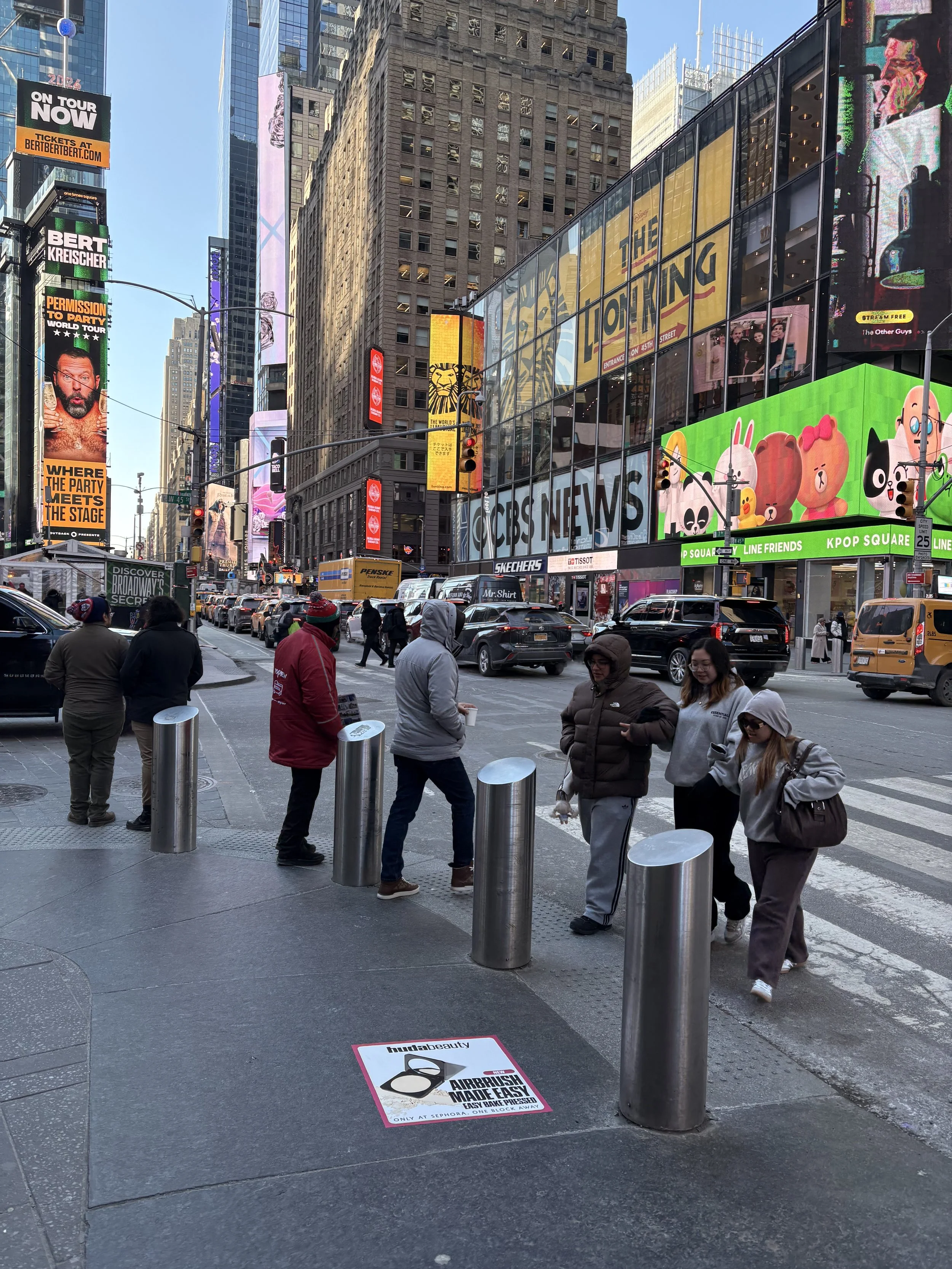
SIDEWALK DECALS
Decal advertising uses custom floor stickers applied directly to sidewalks and indoor surfaces, creating durable, high-impact brand touchpoints that withstand foot traffic and demand attention.
-
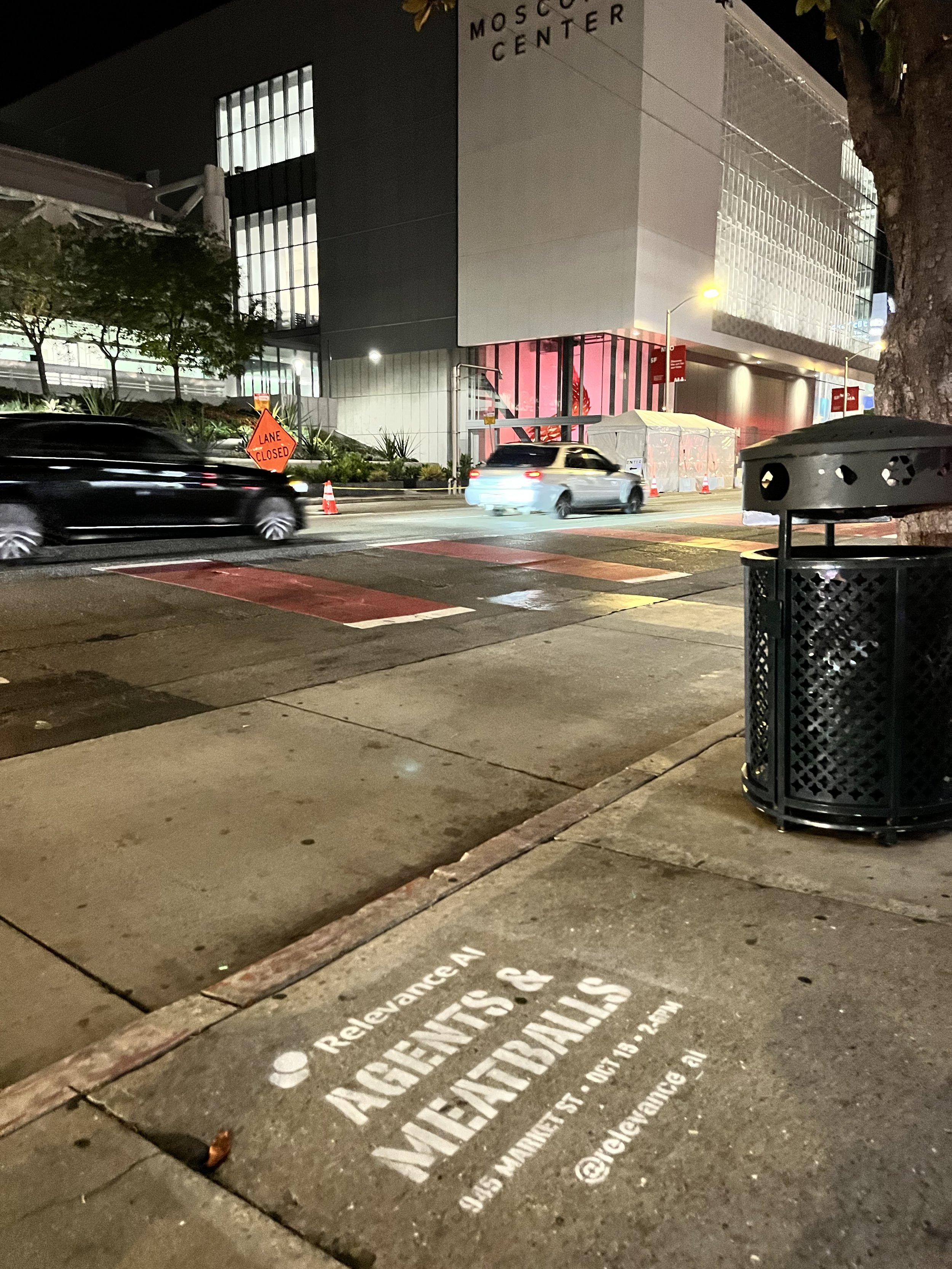
![sidewalk stencil in san francisco]()
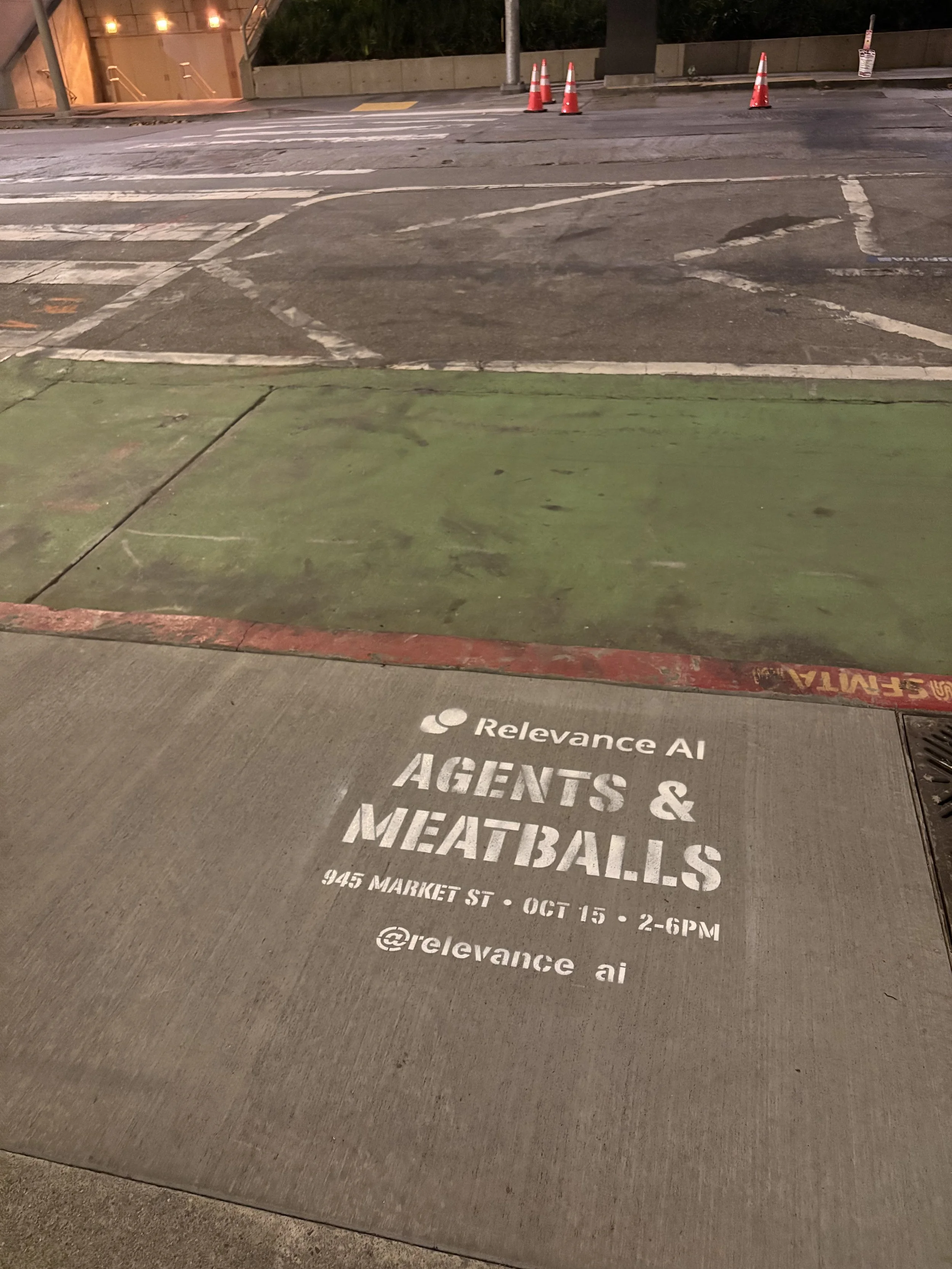
SIDEWALK STENCils
Custom-cut designs spray-painted onto sidewalks. Stencils create high-visibility messages that guide foot traffic and reinforce branding at street level.
-
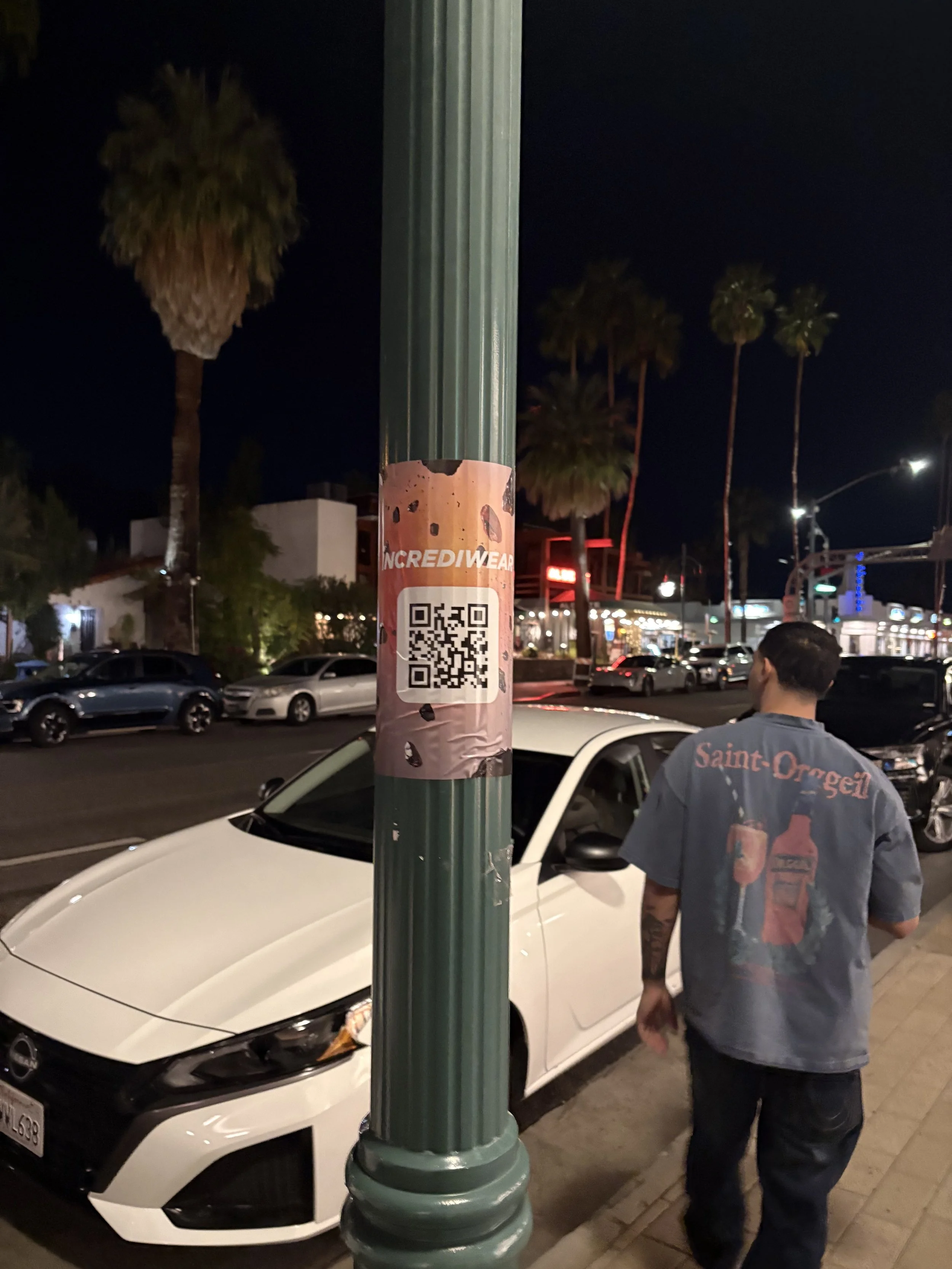
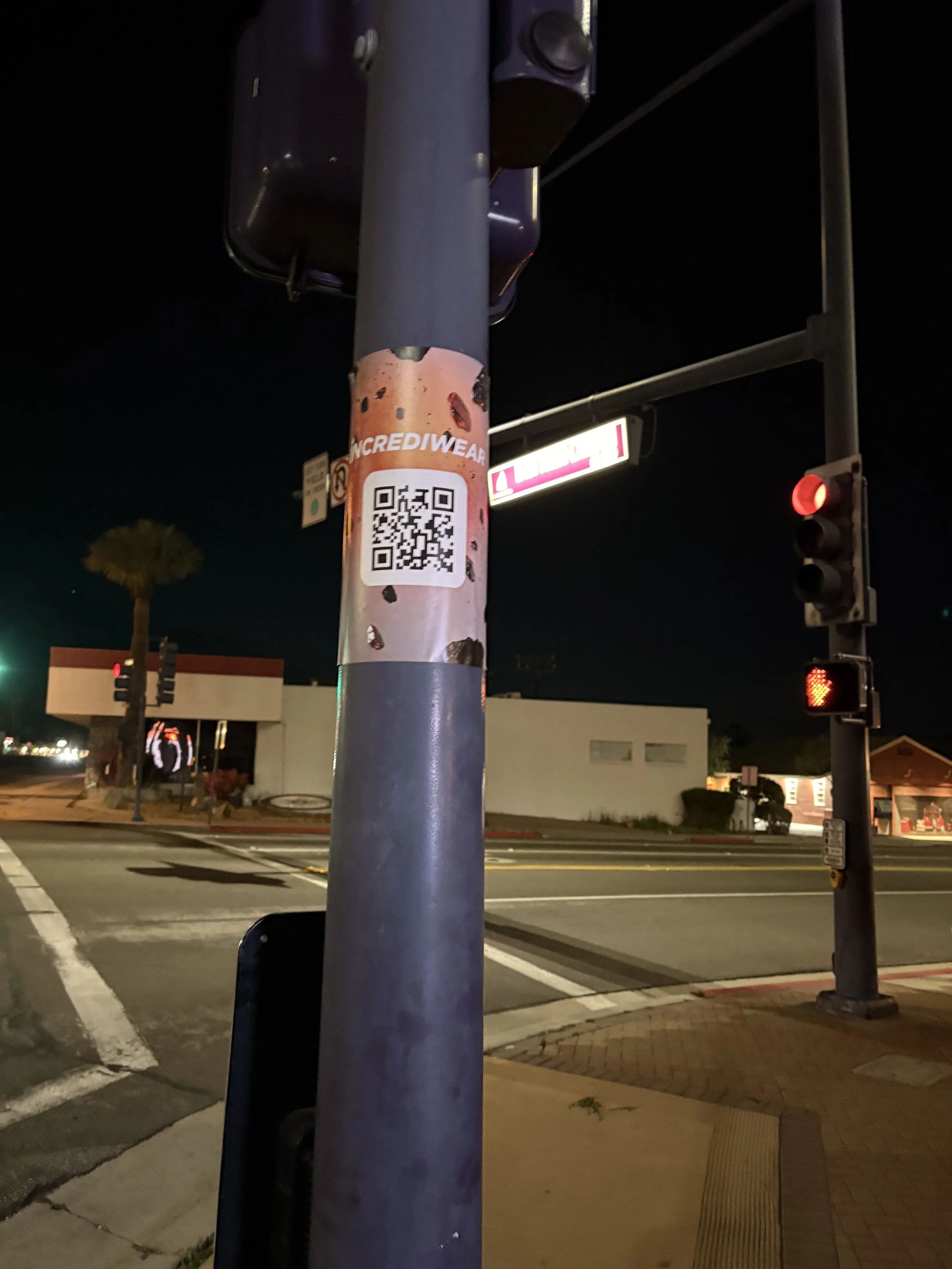
![Snipe advertisement by sidewalk activations]()
Snipe Ads
Snipe advertising places small 8.5" x 11" posters on poles, street lamps, and sign posts, capturing eye-level attention and building frequency throughout high-traffic corridors.
-
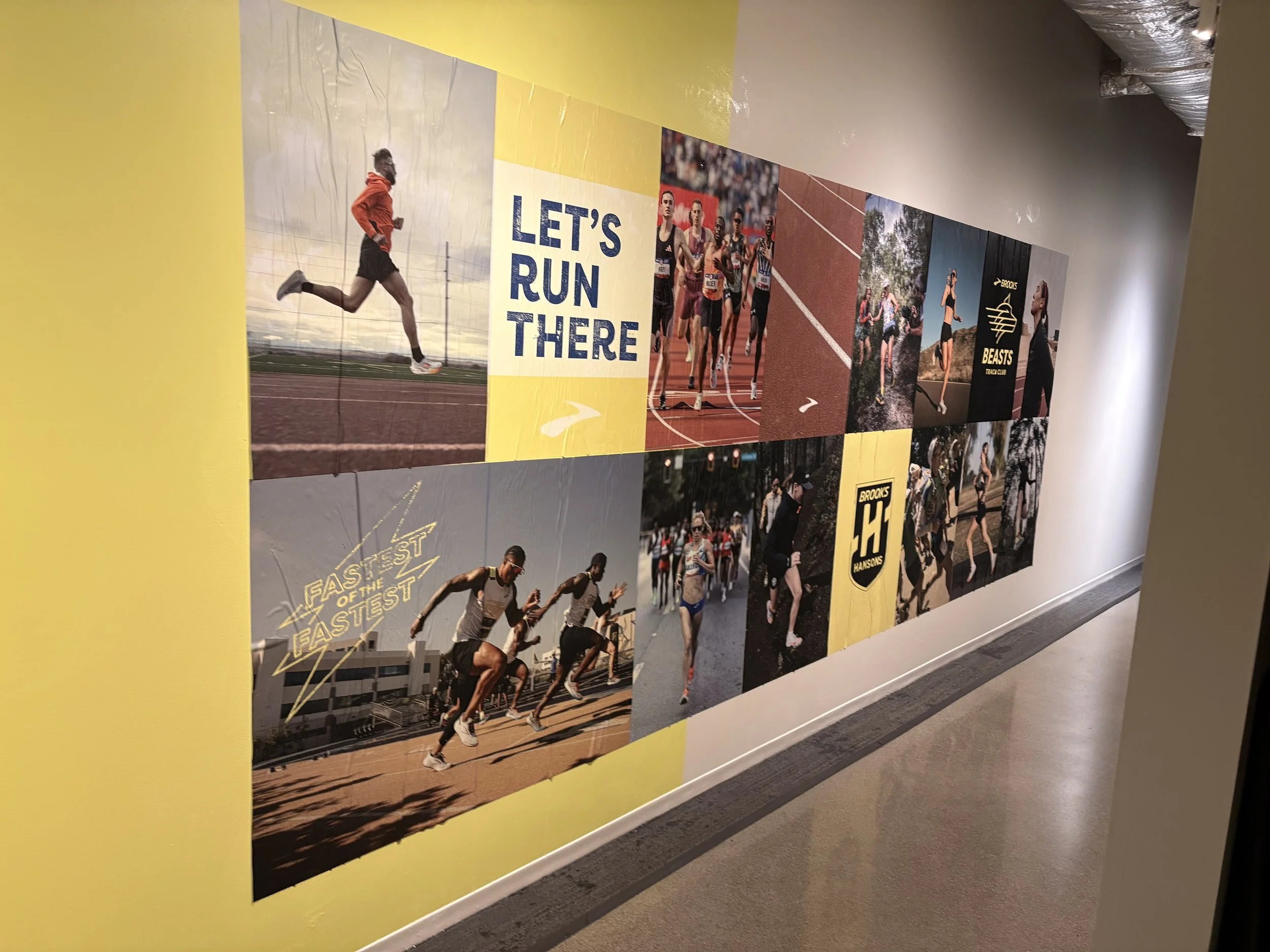
![wheat paste poster installation inside office]()
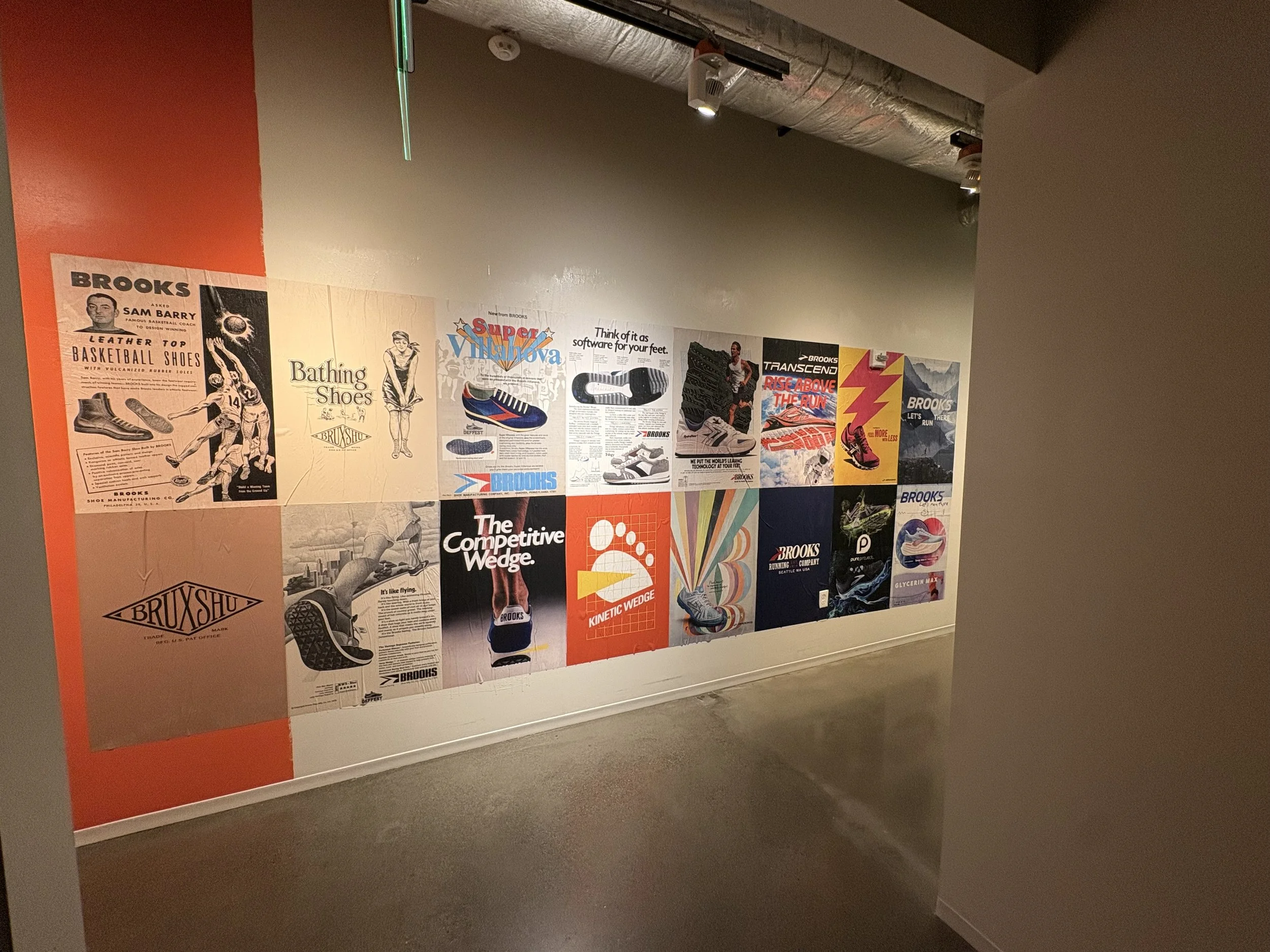
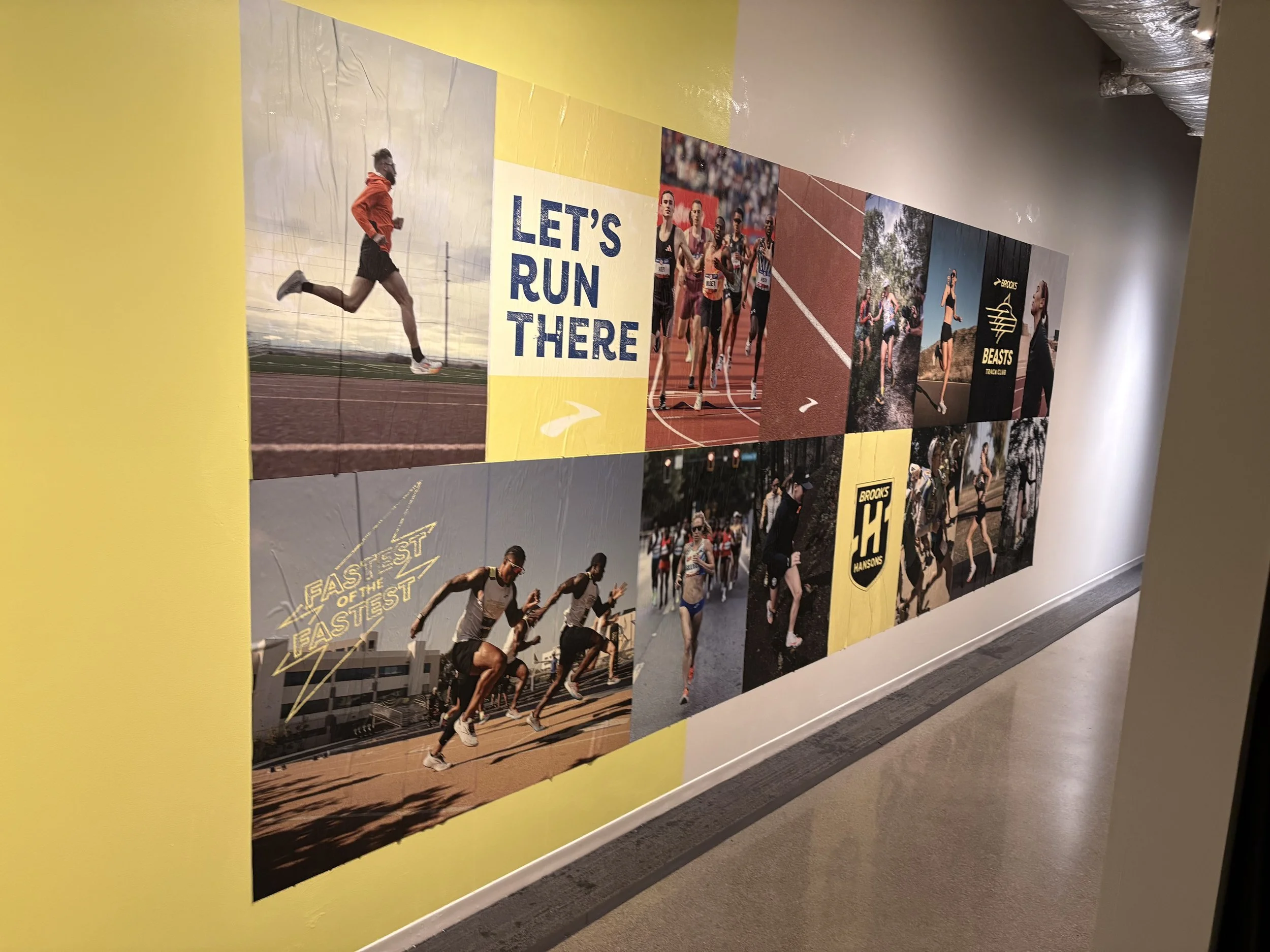
indoor wheat paste poster installs
indoor installation inside office space
contact us
Guerrilla Marketing in Seattle Washington
Seattle presents a landscape of remarkable complexity and character, a city of more than 100 distinct neighborhoods and sub-areas spread across a peninsula surrounded by Puget Sound, Elliott Bay, Lake Washington, and the Lake Washington Ship Canal that slices the city in half . For a guerrilla agency like Sidewalk Activation, success here depends on understanding that Seattle is not a monolith but a federation of fiercely independent communities, from the historic Pioneer Square to the artsy Fremont, from the LGBTQ+ hub of Capitol Hill to the family-friendly enclaves of West Seattle. The city's former mayor Greg Nickels famously described it as "a city of neighborhoods," and that identity remains fundamental to how residents experience and identify with their city . Seattle welcomes approximately 40 million visitors annually, generating $8.8 billion in spending and supporting more than 68,000 jobs in Seattle and King County . Downtown Seattle is experiencing a remarkable resurgence, with more than 3.2 million unique visitors in July 2025 representing 97% of pre-pandemic levels, and downtown hotels generating a record $126 million in room revenue that same month . Looking ahead, the 2026 FIFA World Cup is expected to bring 750,000 visitors to the region, putting Seattle on the world stage for six matches . The guerrilla marketer in Seattle must become fluent in the language of the city's neighborhoods, a navigator of its informal but deeply felt boundaries, and a respectful participant in communities that have spent generations defining themselves through community clubs, library branches, schools, and parks .
Downtown Seattle serves as the city's urban core and tourism epicenter, where visitors find the famous Pike Place Market, the Seattle Art Museum, the revitalized waterfront, and the city's financial centers . With foot traffic nearing pre-pandemic levels, downtown is experiencing a renaissance driven by convention business at the Seattle Convention Center, which saw its highest monthly total of group bookings in 14 years during July 2025 . That same month, three different days saw 600,000 visits or more, with July 26 reaching 671,000 people thanks to a Morgan Wallen concert at Lumen Field and the Seafair Torchlight Parade . Downtown hotels sold 419,904 rooms in July with 89.2% occupancy and an average daily rate of $301, demonstrating the strength of the visitor economy . The waterfront, with its new park spaces and attractions, draws summer and fall crowds seeking sunshine just steps from the urban core . This dense, visitor-focused environment rewards campaigns designed for discovery-mode tourists while respecting the thousands of residents who call downtown home.
Just south of downtown, Pioneer Square stands as Seattle's original neighborhood, a historic district where buildings have been restored to their Renaissance-Revival and Richardsonian-Romanesque glory, with the century-old ornamental pergola serving as a particular landmark . Adjacent to Lumen Field and T-Mobile Park, this neighborhood houses hip eateries, galleries, and co-working spaces that attract both sports fans on game days and creative professionals year-round . The area's history as the heart of the city, combined with its contemporary energy, creates opportunities for activations that bridge past and present. South of downtown and east of Pioneer Square, the Chinatown-International District has been the anchor of Seattle's Asian community for more than a century, with vibrant streets lined with restaurants serving Asian specialties and specialty stores that draw visitors and locals alike . This culturally significant neighborhood demands partnership-based engagement that respects its deep roots and contemporary community life.
North of downtown, Queen Anne anchors the skyline with Seattle's most famous icon, the Space Needle, towering more than 600 feet above the city . The neighborhood divides into Lower Queen Anne, with bustling bars, restaurants, and the attraction-heavy Seattle Center complex including Chihuly Garden and Glass, the Pacific Northwest Ballet, and the Seattle Children's Museum, and Upper Queen Anne, with historic houses, quaint shopping streets, and quiet parks high on the hill . The Olympic Sculpture Park sits along the southern edge of the neighborhood. Just west of Queen Anne, Magnolia is primarily residential, anchored by the sprawling Discovery Park on its northwestern edge with hiking trails and prime vistas of Puget Sound, and McGraw Street lined with trees of the neighborhood's name and a smattering of restaurants, cafes, and shops .
Capitol Hill, northeast of downtown, showcases some of the city's oldest Victorian mansions and a thriving LGBTQ+ scene that has made it a cultural landmark . This expansive district contains tree-shaded streets flanked by historic homes alongside commercial thoroughfares buzzing with students from Seattle University, young professionals, and musicians . Capitol Hill was home to the famous grunge music scene in the early 1990s, and venues like Neumos continue to draw crowds . Volunteer Park, at the northern part of the neighborhood, features a conservatory and the Seattle Asian Art Museum. The Central District, south of Capitol Hill and east of downtown, is primarily residential and historically the heart of Seattle's Black community, with some of the oldest Black churches including the African Methodist Episcopal Church established in 1886 and the Mt. Zion Baptist Church established in 1894 . The Pratt Fine Arts Center and the Douglass-Truth branch of the public library add cultural depth to this historically significant area .
Across the Lake Washington Ship Canal, the northern neighborhoods offer distinct personalities. Ballard, in the northwest, blends maritime heritage with hip foodie energy, with the Hiram M. Chittenden Locks, the Ballard Carnegie Library, and festivals like Seafood Fest in July drawing crowds . Concert halls, charming eateries, and lively bars line central Ballard, transforming it into a nightlife destination. Fremont, sandwiched between Ballard and the University District, proudly embraces its nickname "The People's Republic of Fremont" and motto "Freedom to be Peculiar" . This artsy, bohemian neighborhood offers quirky art including the Troll under the Aurora Bridge and a massive bronze sculpture of Vladimir Lenin, along with popular nightlife and offices of tech companies like Adobe and Google . The University District, home to the University of Washington, offers an eclectic mix of urban shopping areas along "The Ave," historic homes, and great cafes, pubs, and restaurants . The cherry trees in bloom draw visitors from across the region.
West Seattle, across the Duwamish River, comprises several smaller neighborhoods and is considered the original founding point of the city at Alki Point, where the beach remains a fan favorite for sunbathing, jogging, and people-watching . The hilly terrain and verdant landscape include Lincoln Park and Schmitz Preserve Park with trails for hikers and bikers, while "The Junction" at California Avenue and Alaska Street offers a collection of restaurants and bars . Rainier Valley, or Southeast Seattle, is known as one of the nation's most diverse areas, inhabited by residents of multiple races speaking many different languages, with restaurants dishing out flavorful food and special events like the monthly live music festival Beatwalk in Columbia City . SoDo, south of downtown, makes up the industrial heart of Seattle, with major corporations like Starbucks having headquarters and factory buildings slowly transforming into apartments, art galleries, and trendy bars .
Seattle's tourism economy provides both opportunity and context for guerrilla engagement. The region welcomed 40 million visitors in 2024, a 5.3% increase from 2023 and 95% of pre-pandemic levels . International visitors totaled 2.4 million in 2024, with Canadians making up 73% at 1.7 million, followed by China with over 106,000, and India with 74,700 . International visitor spending grew 7.2% from 2023 to reach $970 million . However, geopolitical issues have created challenges, with a 26.9% decline in international overnight visitation expected in 2025, 99% attributed to fewer Canadian visitors due to policy headwinds including heightened visa scrutiny . Looking ahead, new routes to destinations like Copenhagen and Hong Kong, combined with the 2026 FIFA World Cup, offer hope for renewed international growth.
The regulatory environment in Seattle reflects the city's neighborhood-first character. With no official neighborhood boundaries since 1910, districts and neighborhoods are informal, and boundaries may overlap with multiple names existing for a single district . The city's many community councils have placed signs indicating neighborhood boundaries, but these often overlap and differ from archival maps . For example, locals refer to "Frelard" as the area shared by Fremont and Ballard, with signs facing opposite directions on NW Leary Way revealing the overlap . This informality requires guerrilla marketers to engage deeply with local communities rather than relying on official designations. The Department of Neighborhoods designates several Historic Districts including Ballard Avenue, Columbia City, Pioneer Square, and Pike Place Market, each with specific preservation standards that must be respected .
Seattle's attractions draw visitors but have seen shifting patterns of local engagement. Pike Place Market, the number one tourist attraction, saw projected 1.41 million Seattle-area adults visit in the past year, about 31% of the adult population, down from 41% pre-pandemic . The Seattle Aquarium bucked the trend with an 11% increase in local visitors, likely due to the grand opening of its new Ocean Pavilion . Sporting events show mixed results, with Seahawks football up 15% in local attendance and Storm women's basketball more than doubling, while Sounders soccer fell 26.5% and Mariners baseball dropped 9% . These patterns suggest that while tourism remains strong, re-engaging local residents requires understanding their changed habits and concerns.
Throughout this complex landscape, Sidewalk Activation brings deep local knowledge, regulatory expertise, and authentic community relationships to every campaign. We understand that Seattle is a city of neighborhoods, from the historic Pioneer Square to the artsy Fremont, from Capitol Hill's LGBTQ+ cultural landmarks to the family-friendly streets of West Seattle. We know that the city's informal neighborhood boundaries require genuine community engagement rather than reliance on maps. We track the foot traffic data that shows downtown's resurgence, with 3.2 million visitors in July 2025 and 97% of pre-pandemic levels . We monitor the shifting patterns of international visitation, from Canadian dominance to emerging markets in India and South Korea . In a city of 40 million annual visitors, more than 100 neighborhoods, and a legacy of fierce neighborhood identity, the brands that win are those that show up with respect, authenticity, and genuine commitment to the communities they seek to engage.
For more information, please contact us at info@sidewalkactivations.com.
SIDEWALK activation packages
At Sidewalk Activations, we specialize in four of the most impactful forms of street-level marketing: wheat pasting posters, sidewalk stencils, custom decals, and snipe advertising. Each format delivers bold visibility where it matters most—on the streets, in front of real people, in the middle of their daily routines. We don't just create ads—we create moments of discovery that spark curiosity, engagement, and conversation.
Sidewalk stencils are one of our signature tools. With custom-cut designs ranging from 6" x 60" up to 48" x 48", our stencils are built to stand out in high-traffic areas. Placed directly onto sidewalks and pavements with eco-friendly, temporary marking paint, these visuals are impossible to miss. They guide foot traffic, reinforce branding, and create a breadcrumb trail effect that leads people straight to your event, pop-up, or storefront.
Wheat pasting, on the other hand, gives brands a canvas that's larger-than-life. Our posters range from 24" x 36" to 48" x 72", transforming city walls into storyboards for your brand. From single-block takeovers to massive citywide campaigns, our wheat pasting is precise, creative, and always positioned in the neighborhoods that matter most for your audience.
Custom sidewalk decals offer a durable, high-impact alternative that sticks directly to pavement and interior floors. Available in sizes like 24" x 24", 17-inch circles, or fully custom shapes, our decals are built to withstand foot traffic while delivering crisp, vibrant branding. Perfect for guiding customers, reinforcing messages, or creating interactive floor experiences.
Snipe advertising adds the final layer to our street-level toolkit. These 8.5" x 11" posters are hand-placed on poles, street lamps, and sign posts—capturing attention at eye level in the moments between destinations. Small but mighty, snipes create frequency and reinforce your message throughout high-traffic corridors.
What makes Sidewalk Activations unique is how we combine these four formats into fully integrated campaigns. By weaving together wheat paste visuals, strategic stencil placements, durable decals, and snipe frequency, we ensure your brand connects with people from every angle—above eye level, at eye level, and beneath their feet. Each campaign is mapped, documented, and executed with attention to detail that guarantees your message not only lands but resonates.
WHEAT PASTING PACKAGE
Bring your brand to the streets with bold, large-format posters that dominate city walls and high-traffic neighborhoods. Our wheat pasting campaigns are fully mapped and strategically executed to maximize visibility where your audience lives, works, and plays. With poster sizes ranging from standard 24" x 36" to jumbo 48" x 72", we create campaigns that leave a lasting impression.
Each package includes:
Professional design consultation
Strategic placement in key locations
Full documentation of all poster hits
Options for single-block takeovers or citywide activations
SIDEWALK STENCILS PACKAGE
Put your message right where people walk. Our sidewalk stencils range in size from 6" x 60" up to 48" x 48", applied using eco-friendly, temporary paint in prime foot-traffic zones like shopping districts, event areas, subway exits, and nightlife hubs. With precise mapping and professional execution, stencils create a breadcrumb trail effect that guides pedestrians directly to your brand.
Each package includes:
Custom stencil design + production
Strategic deployment across 25–200+ hits depending on campaign scale
Eco-friendly paint applications
Documentation of all placements
CUSTOM DECALS PACKAGE
Make your mark stick with durable, high-impact custom decals. Available in 24" x 24", 17-inch circles, or fully custom shapes, our decals are designed to withstand heavy foot traffic while maintaining vibrant, crisp branding. Perfect for retail floors, indoor activations, sidewalk placements, and event spaces.
Each package includes:
Custom decal design + production
Durable, slip-resistant materials
Strategic placement in high-traffic zones
Full documentation of all installations
SNIPE ADVERTISING PACKAGE
Own the poles, street lamps, and sign posts. Our 8.5" x 11" snipe posters are hand-placed at eye level throughout high-traffic corridors, creating frequency and reinforcing your message in the moments between destinations. Small format, big impact.
Each package includes:
Custom snipe design + printing
Strategic placement on poles, street lamps, and sign posts
25–500+ placements depending on campaign scale
Full documentation of all hits
FULL IMPACT PACKAGE (WHEAT PASTING + STENCILS + DECALS + SNIPES)
For brands that want to completely own the streets, our combined package leverages the power of all four formats. Large-format posters dominate the visual landscape. Stencils reinforce the message at ground level. Decals create durable, lasting touchpoints. Snipes add frequency at eye level. Together, they create a multi-layered, high-impact experience that's impossible to ignore. Perfect for pop-ups, product launches, and nationwide rollouts.
Each package includes:
Complete wheat pasting campaign (24" x 36" up to 48" x 72")
Sidewalk stencil activations (25–200+ placements)
Custom decal installations (various sizes)
Snipe advertising placements (25–500+ hits)
Strategic mapping and placement for maximum visibility
Full campaign documentation + photos for reporting
Nationwide and international deployment
Contact us at info@sidewalkactivations.com to start your campaign today.
Frequently Asked questions seattle
Seattle is famously a city of more than 100 neighborhoods, with former mayor Greg Nickels describing it as "a city of neighborhoods" . How does that shape your guerrilla marketing approach?
Seattle's identity is woven into its neighborhoods, from the historic Pioneer Square to the artsy Fremont, from Capitol Hill's LGBTQ+ cultural landmarks to the family-friendly streets of West Seattle . At Sidewalk Activation, we treat each neighborhood as its own micro-market with a unique cultural fingerprint. The bohemian, quirky energy of Fremont, with its "Freedom to be Peculiar" motto, Troll under the bridge, and Vladimir Lenin statue, demands a completely different approach than the historic, sports-anchored Pioneer Square or the vibrant, culturally rich Chinatown-International District . Our guerrilla strategy is about matching the neighborhood's rhythm, whether that means activating along the waterfront during summer crowds or creating experiences during Capitol Hill's Pride Month events. For more information, please contact us at info@sidewalkactivations.com.
Downtown Seattle saw more than 3.2 million unique visitors in July 2025, reaching 97% of pre-pandemic levels . How do you leverage this resurgence for guerrilla campaigns?
Downtown Seattle's recovery is remarkable, with three different days in July 2025 exceeding 600,000 visitors and July 26 reaching 671,000 thanks to a Morgan Wallen concert and Seafair Torchlight Parade . The Seattle Convention Center recorded its highest monthly total of group bookings in 14 years, and downtown hotels generated a record $126 million in room revenue . This resurgence creates unparalleled opportunities for engagement with visitors in discovery mode. Sidewalk Activation designs campaigns that capture this energy, activating at high-traffic epicenters near Pike Place Market, the revitalized waterfront, and the convention center. We track the foot traffic data showing Saturdays approaching 90% of pre-pandemic levels and design our timing to match when people are actually downtown . For more information, please contact us at info@sidewalkactivations.com.
Seattle's neighborhoods have no official boundaries, and locals often dispute where one ends and another begins . How do you navigate this complexity?
The absence of official boundaries is fundamental to Seattle's character. Since 1910, the city has avoided formal neighborhood designations, meaning districts are informal, boundaries overlap, and multiple names exist for the same area . Locals refer to "Frelard" as the area shared by Fremont and Ballard, with signs facing opposite directions on NW Leary Way revealing the overlap . After an acrimonious development dispute in 1966, a survey revealed that more residents of southwest Wallingford considered themselves citizens of Fremont than of Wallingford . Sidewalk Activation navigates this complexity by engaging directly with community councils, local businesses, and residents rather than relying on maps. We understand that in Seattle, neighborhood identity is lived, not legislated, and genuine relationships matter more than official designations. For more information, please contact us at info@sidewalkactivations.com.
Pike Place Market is Seattle's number one tourist attraction, drawing 1.4 million local adults annually alongside millions of visitors . How do you approach activation at this iconic destination?
Pike Place Market represents a fascinating intersection of tourism and local life. While it's the top tourist draw, approximately 31% of Seattle-area adults still visit at least annually, down from 41% pre-pandemic . The market's energy is unmatched, with fish throwers, local farmers, craftspeople, and the original Starbucks drawing crowds year-round. Sidewalk Activation approaches Pike Place Market with respect for its working market character and century of history. We design activations that complement the market experience without disrupting its flow, perhaps near the waterfront side or in partnership with market merchants. The key is understanding that Pike Place is both a tourist destination and a living institution that Seattleites still value. For more information, please contact us at info@sidewalkactivations.com.
Capitol Hill is home to Seattle's thriving LGBTQ+ scene and the historic heart of the grunge music movement . How do you respectfully engage in this culturally significant neighborhood?
Capitol Hill showcases some of Seattle's oldest Victorian mansions alongside a vibrant LGBTQ+ community that has made it a cultural landmark for decades . The neighborhood was home to the famous grunge music scene of the early 1990s, and venues like Neumos continue to draw crowds . Volunteer Park features the Seattle Asian Art Museum, and the streets buzz with students from Seattle University, young professionals, and musicians. This is sacred ground for Seattle's queer community and music history, requiring culturally competent engagement that honors its legacy. Sidewalk Activation approaches Capitol Hill with partnership-first mentality, connecting with LGBTQ+ business owners, music venues, and community organizations to create activations that support and celebrate the community rather than extracting from it. For more information, please contact us at info@sidewalkactivations.com.
Fremont calls itself "The People's Republic of Fremont" and embraces the motto "Freedom to be Peculiar" . How do you create campaigns that fit this artsy, independent environment?
Fremont's fierce independence dates back to its days as a separate town before annexation in 1891 . Today, the neighborhood offers visitors quirky art including the Troll under the Aurora Bridge and a massive bronze sculpture of Vladimir Lenin, alongside popular nightlife and tech company offices for Adobe and Google . This is not a place for conventional corporate campaigns. Sidewalk Activation approaches Fremont as a participant in its creative ecosystem, designing installations that could stand alongside the neighborhood's peculiar landmarks and partnering with local businesses that embody the independent spirit. The key is understanding that Fremont residents take pride in their distinct identity and respond to brands that respect and contribute to it. For more information, please contact us at info@sidewalkactivations.com.
Seattle welcomed 40 million visitors in 2024, with international visitors spending $970 million . How do you balance visitor engagement with respect for permanent residents?
The tourism economy is massive, generating $8.8 billion in spending and supporting 68,000 jobs . International visitors came primarily from Canada (1.7 million), followed by China, India, the UK, South Korea, Germany, Japan, Australia, France, and Taiwan . But this visitor economy must coexist with the daily lives of permanent residents who have seen local attendance at attractions decline . Sidewalk Activation treats these two audiences separately while finding intersections where they naturally overlap. Visitor-focused activations concentrate around downtown, the waterfront, and major attractions during peak seasons. Resident-focused activations require deeper community engagement and partnerships with neighborhood institutions. The magic happens at places like the Seattle Center during Bumbershoot or Folklife, or at neighborhood events where both audiences gather. For more information, please contact us at info@sidewalkactivations.com.
The 2026 FIFA World Cup is expected to bring 750,000 visitors to Seattle . How are you preparing for this global event?
The World Cup represents an unprecedented opportunity for Seattle, with six matches putting the city on the world stage and drawing hundreds of thousands of international visitors . This is not just about the moment of the games but about using global attention as "a baseline for further awareness and being able to tell our story in a different way," as Visit Seattle's CEO describes it . Sidewalk Activation is designing campaigns that will activate throughout the city, not just near the stadiums, ensuring visitors experience the full diversity of Seattle's neighborhoods. We're preparing for the surge in international visitors from markets including Canada, the UK, Germany, and beyond, while ensuring our campaigns respect the residents who call these neighborhoods home year-round. The key is creating welcoming experiences that showcase Seattle's character while managing the logistical challenges of a global event. For more information, please contact us at info@sidewalkactivations.com.
Ballard blends maritime heritage with hip foodie energy, from the Hiram M. Chittenden Locks to concert halls and lively bars . How do you approach this multifaceted neighborhood?
Ballard's character reflects its history as an independent town that joined Seattle in 1907 . The neighborhood contains prized historic landmarks including the Ballard Carnegie Library, alongside transformed factory buildings, concert venues, and a nightlife scene that draws crowds . Festivals like Seafood Fest in July celebrate the maritime influence . Sidewalk Activation approaches Ballard with appreciation for its layered identity. We partner with historic institutions, activate during festivals, and design experiences that appeal to both the longtime maritime community and the newer creative residents. The Ballard Avenue Landmark District requires particular sensitivity to preservation standards, ensuring any activation respects the historic character that makes the neighborhood distinctive. For more information, please contact us at info@sidewalkactivations.com.
The Central District has historically been the heart of Seattle's Black community, with churches dating to the late 1800s . How do you respectfully engage in this historically significant area?
The Central District, or CD, is primarily residential and has been the anchor of Seattle's Black community for generations, with some of the oldest Black churches including the African Methodist Episcopal Church established in 1886 and the Mt. Zion Baptist Church established in 1894 . The Pratt Fine Arts Center and Douglass-Truth branch of the public library add cultural depth. Like many historically Black neighborhoods across America, the CD has experienced demographic change and gentrification pressures. Sidewalk Activation approaches the Central District with profound respect for its history and present-day community. We partner with longstanding institutions like the churches, the library, and Black-owned businesses to create activations that serve existing residents. The key is understanding that this is not a neighborhood for opportunistic commercial stunts but a living community with a powerful legacy that deserves honor and support. For more information, please contact us at info@sidewalkactivations.com.
Wheat paste poster advertising in the following states
Alabama (AL)
Birmingham, AL
Huntsville, AL
Montgomery, AL
Mobile, ALArkansas (AR)
Little Rock, AR
Fayetteville, AR
Fort Smith, AR
Springdale, ARCalifornia (CA)
Los Angeles, CA
San Diego, CA
San Jose, CA
San Francisco, CAColorado (CO)
Denver, CO
Colorado Springs, CO
Aurora, CO
Fort Collins, COConnecticut (CT)
Bridgeport, CT
New Haven, CT
Stamford, CT
Hartford, CTDelaware (DE)
Wilmington, DE
Dover, DE
Newark, DE
Middletown, DE
Indiana (IN)
Indianapolis, IN
Fort Wayne, IN
Evansville, IN
South Bend, INIowa (IA)
Des Moines, IA
Cedar Rapids, IA
Davenport, IA
Sioux City, IAKansas (KS)
Wichita, KS
Overland Park, KS
Kansas City, KS
Olathe, KSKentucky (KY)
Louisville, KY
Lexington, KY
Bowling Green, KY
Owensboro, KYLouisiana (LA)
New Orleans, LA
Baton Rouge, LA
Shreveport, LA
Lafayette, LAMaine (ME)
Portland, ME
Lewiston, ME
Bangor, ME
South Portland, MEMaryland (MD)
Baltimore, MD
Columbia, MD
Germantown, MD
Silver Spring, MD
Massachusetts (MA)
Boston, MA
Worcester, MA
Springfield, MA
Cambridge, MAMichigan (MI)
Detroit, MI
Grand Rapids, MI
Warren, MI
Sterling Heights, MIMinnesota (MN)
Minneapolis, MN
Saint Paul, MN
Rochester, MN
Bloomington, MNMississippi (MS)
Jackson, MS
Gulfport, MS
Southaven, MS
Hattiesburg, MSMissouri (MO)
Kansas City, MO
St. Louis, MO
Springfield, MO
Columbia, MOMontana (MT)
Billings, MT
Missoula, MT
Great Falls, MT
Bozeman, MT
Nebraska (NE)
Omaha, NE
Lincoln, NE
Bellevue, NE
Grand Island, NENevada (NV)
Las Vegas, NV
Henderson, NV
Reno, NV
North Las Vegas, NVNew Hampshire (NH)
Manchester, NH
Nashua, NH
Concord, NH
Dover, NHNew Jersey (NJ)
Newark, NJ
Jersey City, NJ
Paterson, NJ
Elizabeth, NJ
New Mexico (NM)
Albuquerque, NM
Las Cruces, NM
Rio Rancho, NM
Santa Fe, NMNew York (NY)
New York City, NY
Buffalo, NY
Rochester, NY
Yonkers, NYNorth Carolina (NC)
Charlotte, NC
Raleigh, NC
Greensboro, NC
Durham, NCNorth Dakota (ND)Fargo, ND
Bismarck, ND
Grand Forks, ND
Minot, NDOklahoma (OK)
Oklahoma City, OK
Tulsa, OK
Norman, OK
Broken Arrow, OK
Tennessee (TN)
Nashville, TN
Memphis, TN
Knoxville, TN
Chattanooga, TNUtah (UT)
Salt Lake City, UT
West Valley City, UT
Provo, UT
West Jordan, UTVermont (VT)
Burlington, VT
South Burlington, VT
Rutland, VT
Barre, VTVirginia (VA)
Virginia Beach, VA
Chesapeake, VA
Norfolk, VA
Richmond, VAWashington (WA)
Seattle, WA
Spokane, WA
Tacoma, WA
Vancouver, WAWest Virginia (WV)
Charleston, WV
Huntington, WV
Morgantown, WV
Parkersburg, WVWisconsin (WI)
Milwaukee, WI
Madison, WI
Green Bay, WI
Kenosha, WI