Nationwide Wheat
Paste Poster Campaigns
wheat pasting campaigns in both local markets and major cities nationwide helping brands gain street level visibility through high impact poster placements in high traffic urban areas
contact us - Info@sidewalkactivations.com
the process for WHEAT PASTING
Our wheat pasting campaigns begin with a detailed consultation where we learn about the client’s goals, timeline, and the cities they want to target. During this stage we discuss audience demographics, campaign messaging, and the types of environments that will deliver the highest visibility. Our team helps refine the activation strategy so the campaign is positioned in the most impactful locations such as entertainment districts, nightlife corridors, college neighborhoods, retail zones, and other high traffic pedestrian areas where people naturally stop and notice street level media.
Once the campaign strategy is finalized we move into planning and coordination. This includes mapping out placement zones, preparing installation schedules, and coordinating with our nationwide field teams. Our operations team ensures that every city involved in the campaign is carefully organized with clear deployment routes and asset counts. This planning phase ensures that installations are completed efficiently while maintaining consistency across multiple markets.
Production and preparation of campaign assets comes next. Clients can provide their own poster artwork or collaborate with us on formatting their designs for large scale wheat pasting. We review the files to ensure the prints will translate well when installed outdoors and prepare the materials for field deployment. This includes organizing the posters, verifying quantities, and preparing the installation supplies used by our crews.
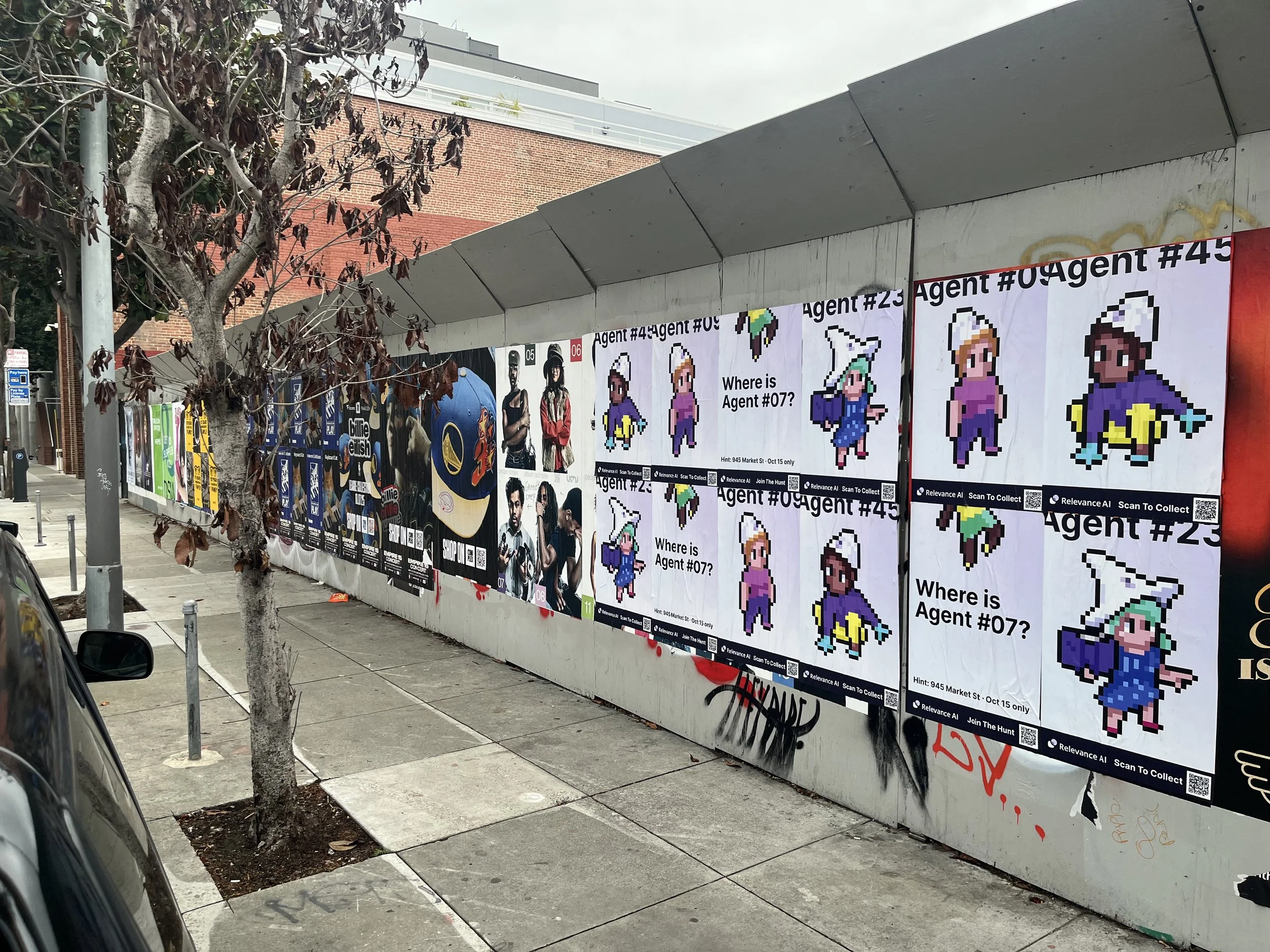
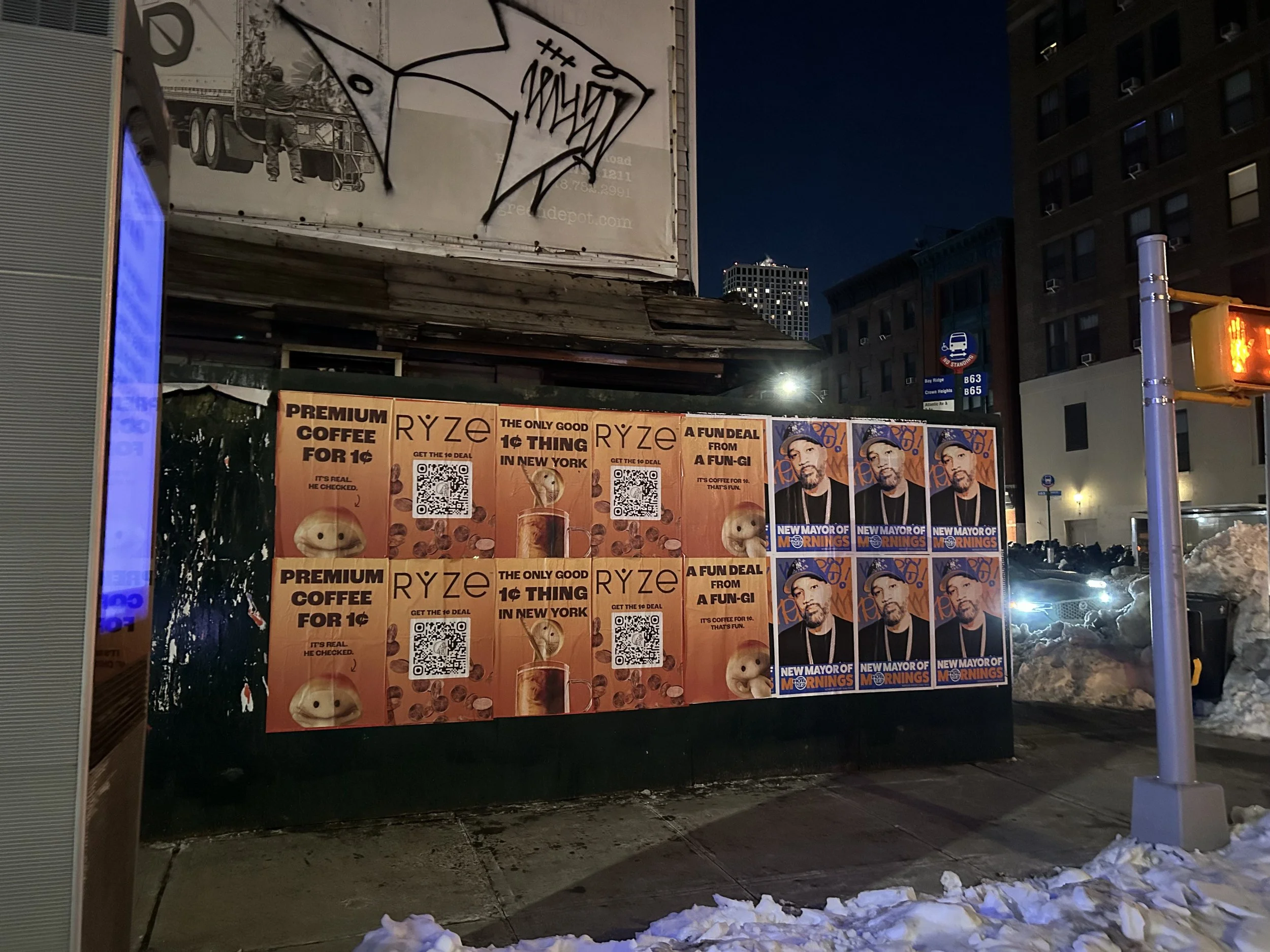
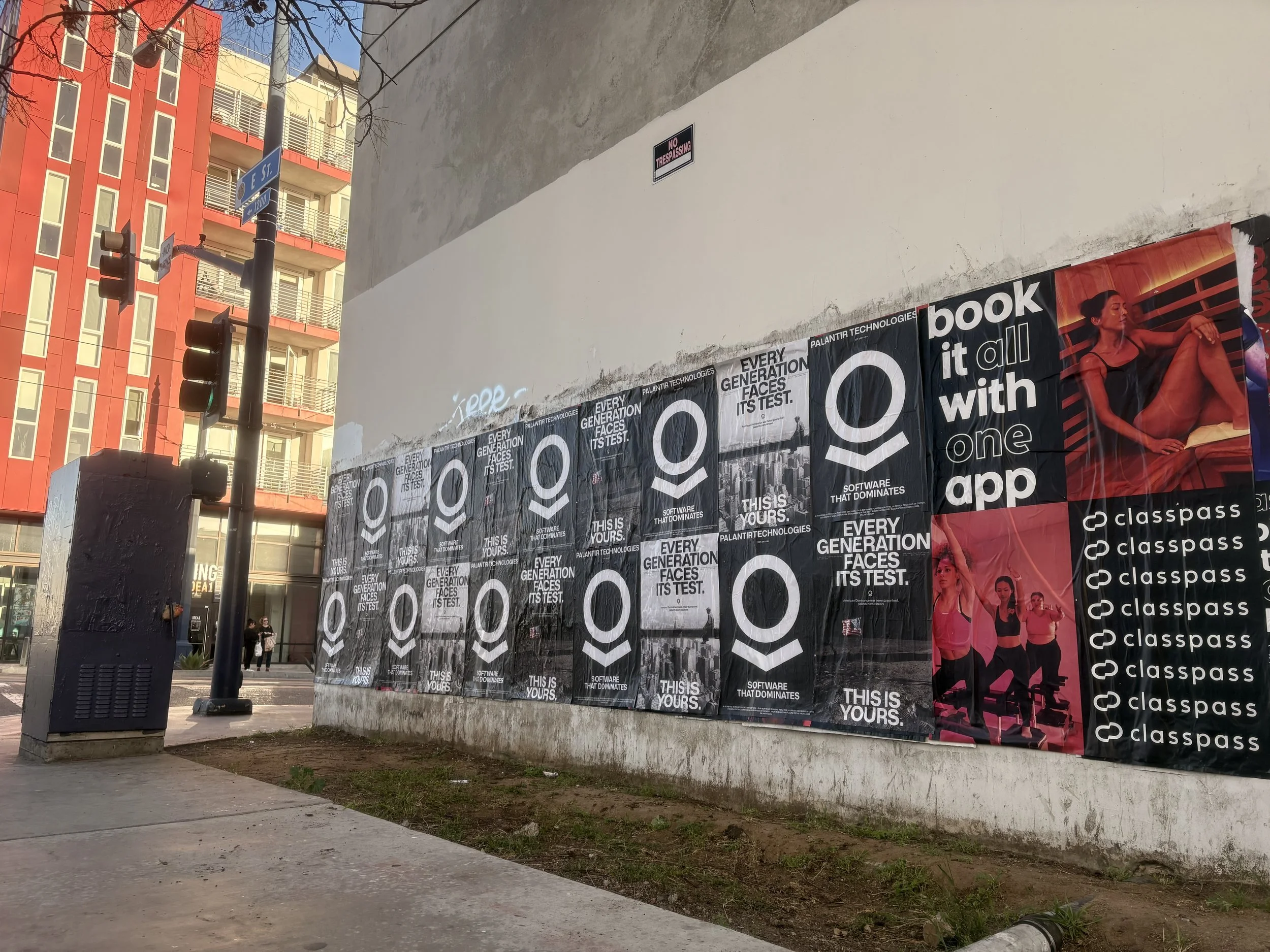
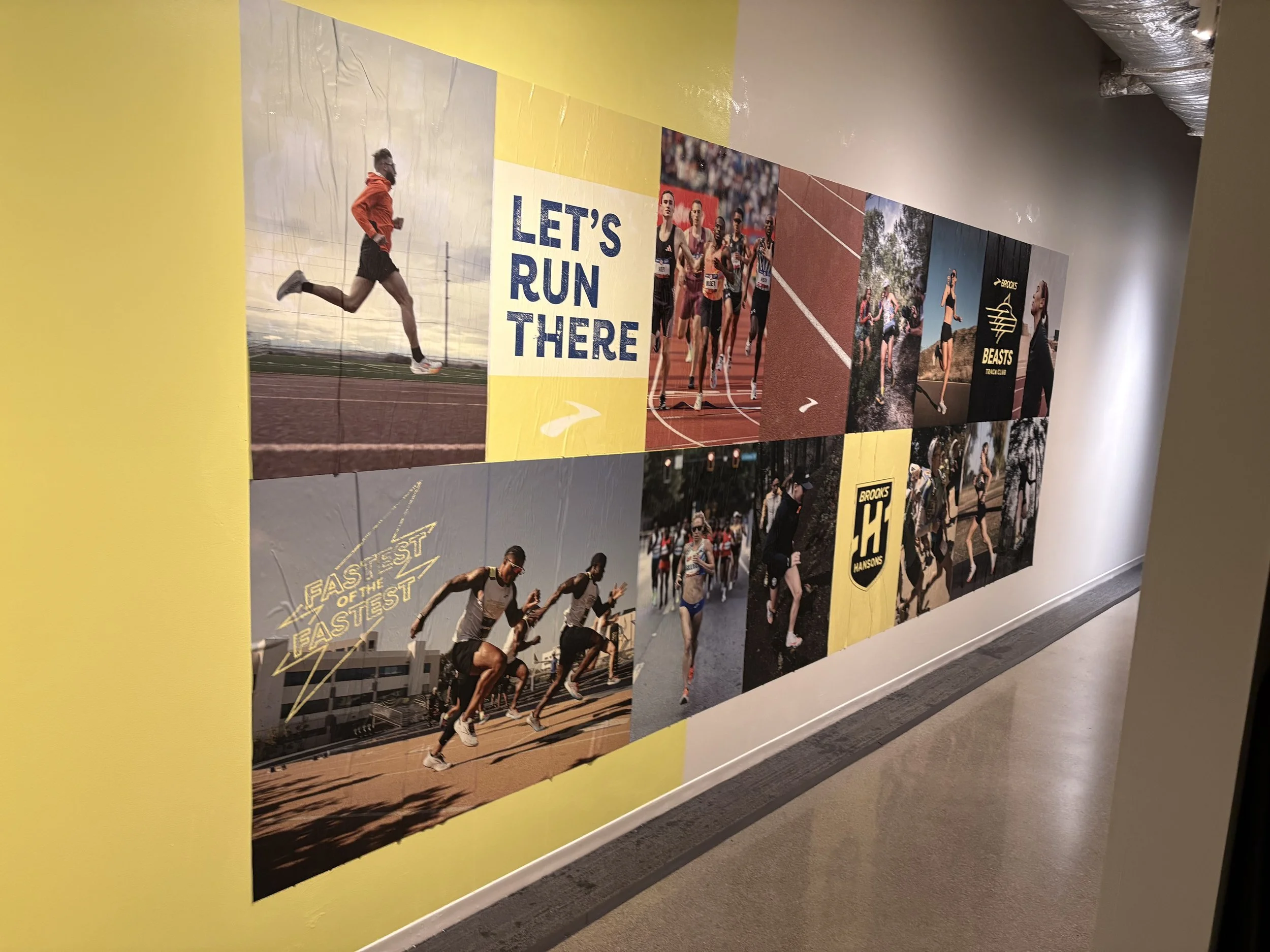
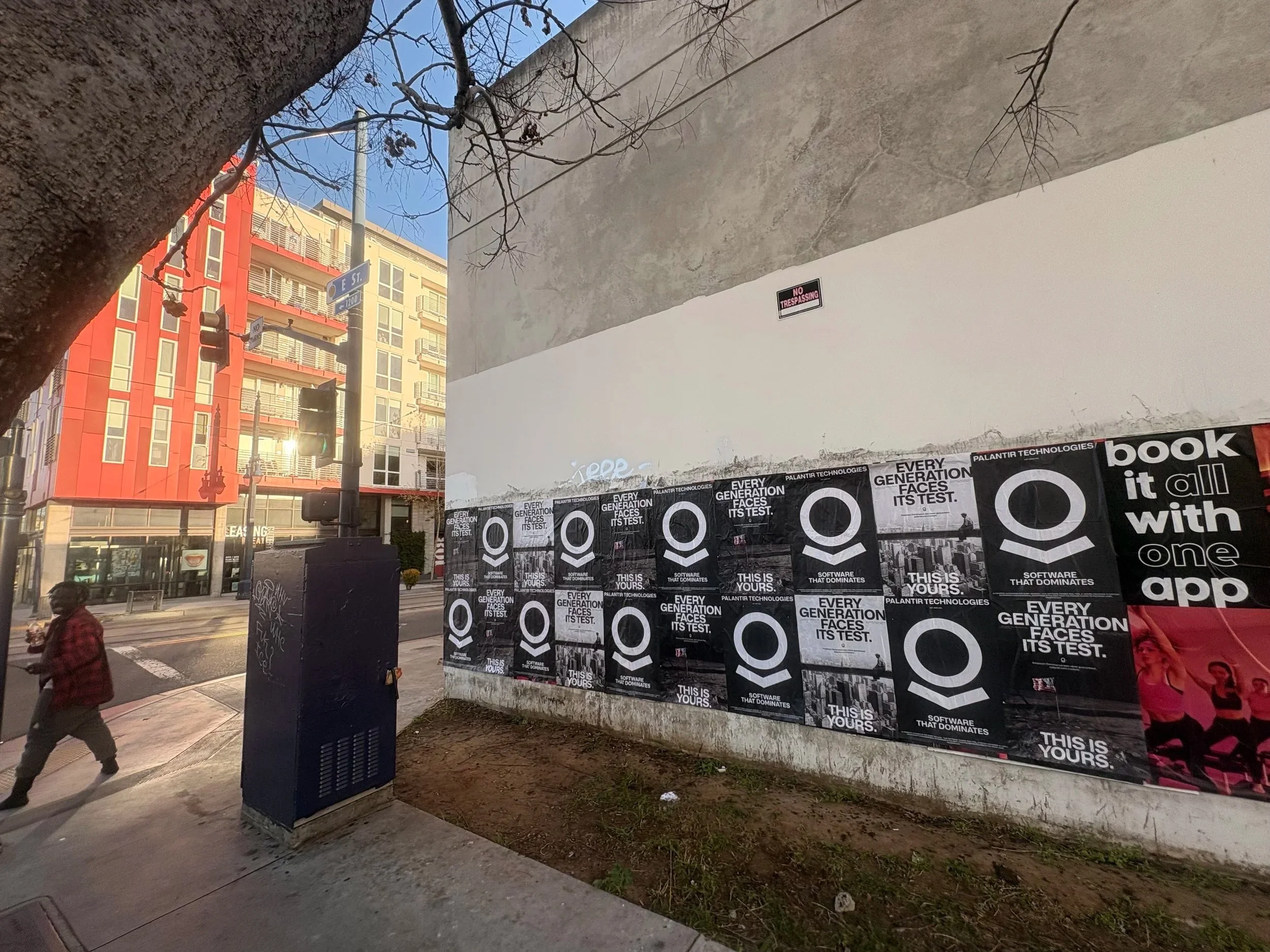
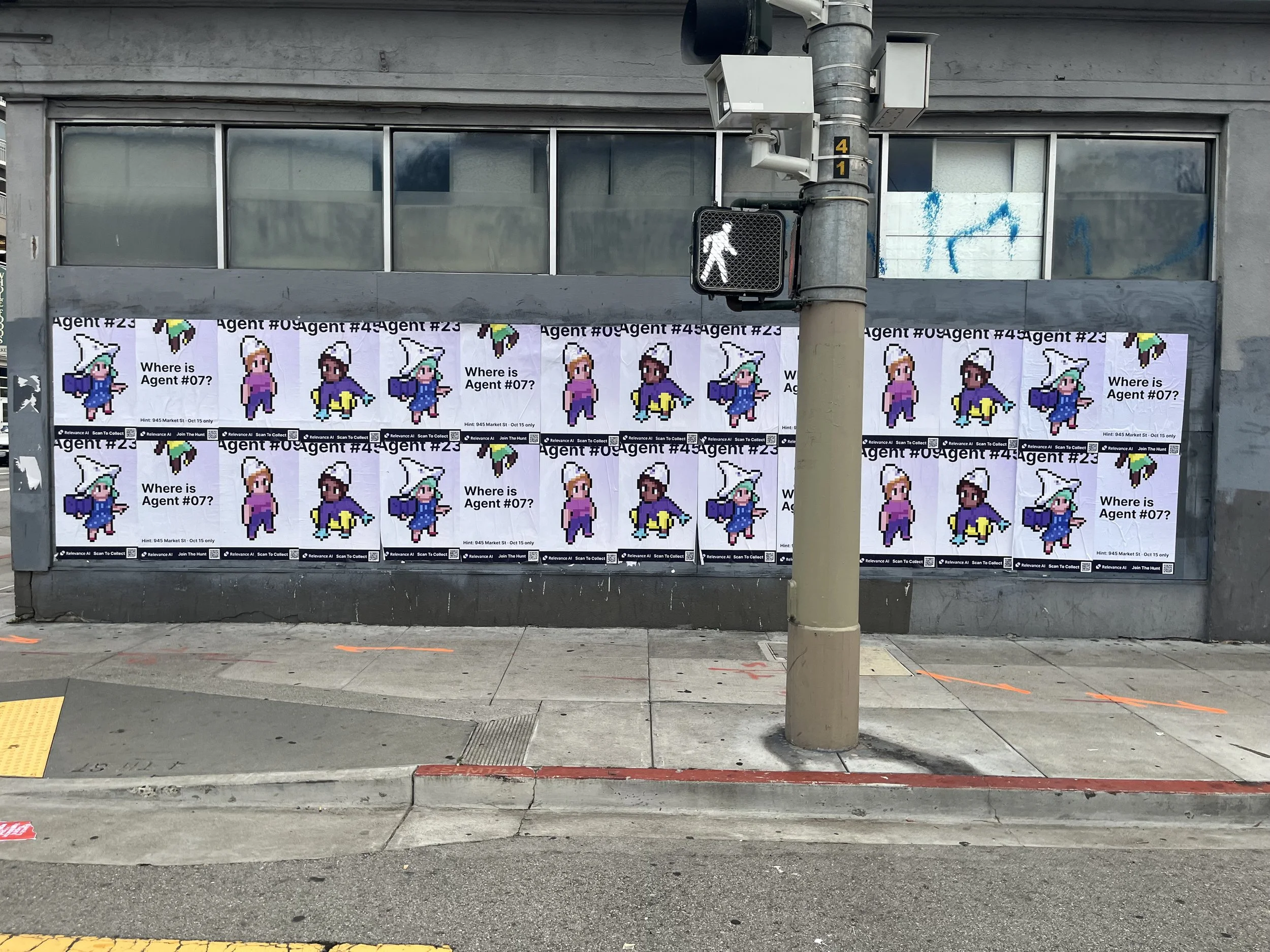
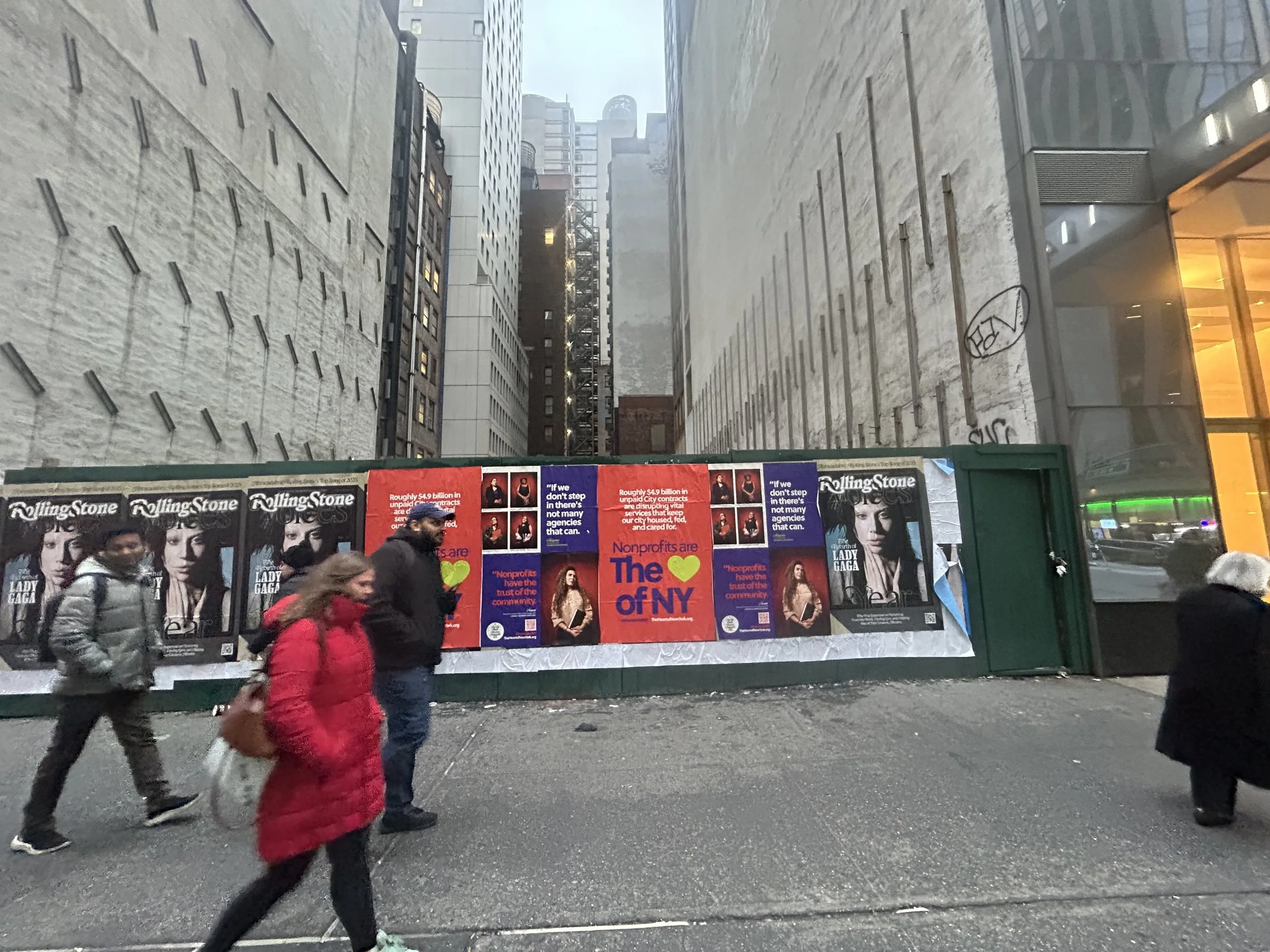
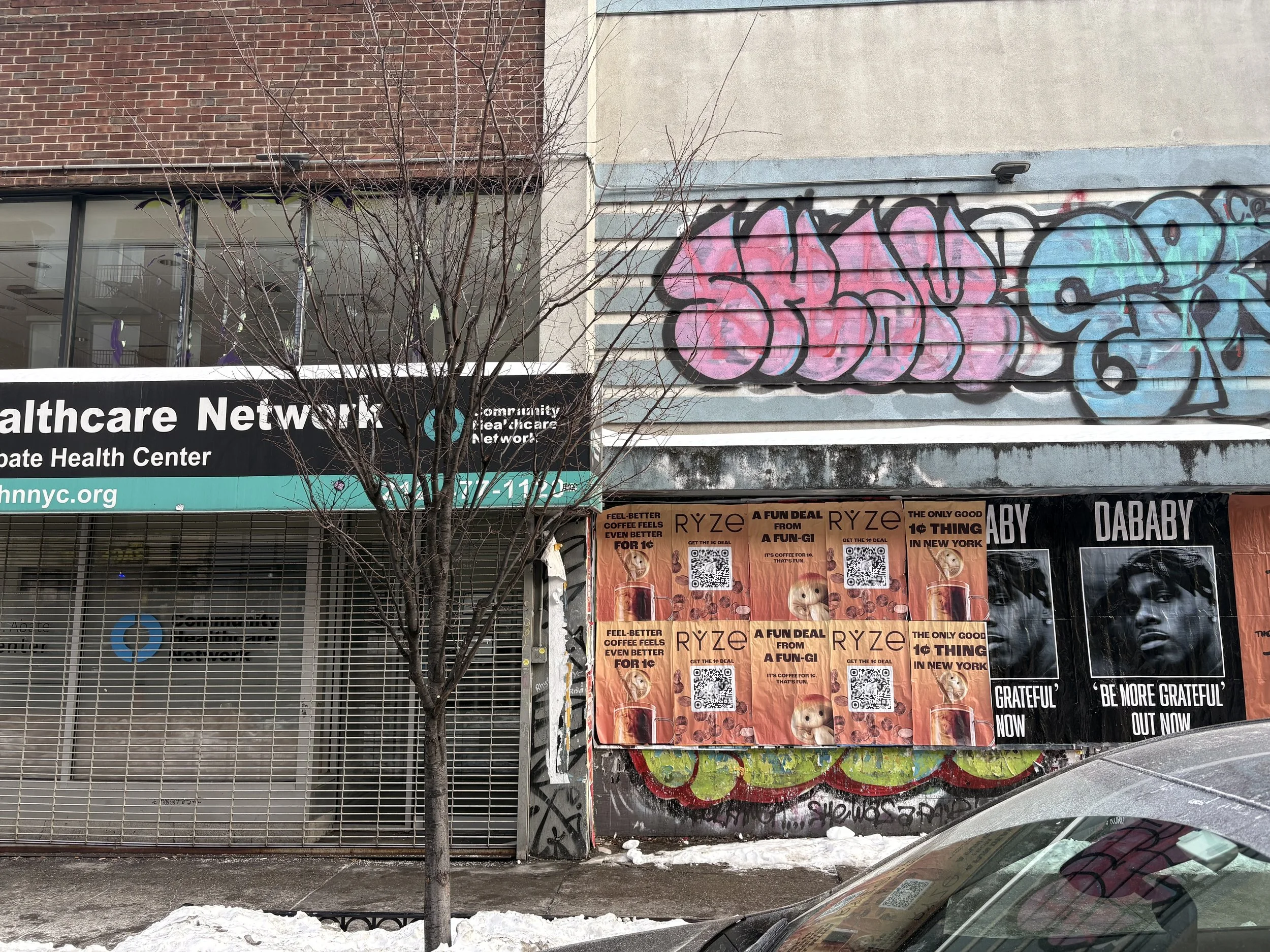
Deployment is handled by experienced street teams who install posters across the selected neighborhoods. Wheat paste is applied to surfaces such as construction barriers, plywood boards, and approved street level walls where posters can be layered for strong visual impact. Our crews follow carefully planned placement routes to ensure every poster is installed in the highest visibility areas while maintaining a consistent campaign footprint across the city.
Throughout the installation process our teams capture photo documentation for every placement. This documentation allows clients to see exactly where their posters were installed and confirms that the campaign has been executed as planned. These reports provide transparency and give brands a clear visual record of their street marketing presence across each market.
After the campaign has been deployed we compile a complete campaign recap which includes placement photos, installation summaries, and location insights. This wrap up allows clients to evaluate the campaign’s reach and effectiveness while also helping them plan future activations. Our goal is to manage the entire process from strategy to final reporting so clients can focus on their marketing objectives while we handle the street level execution.
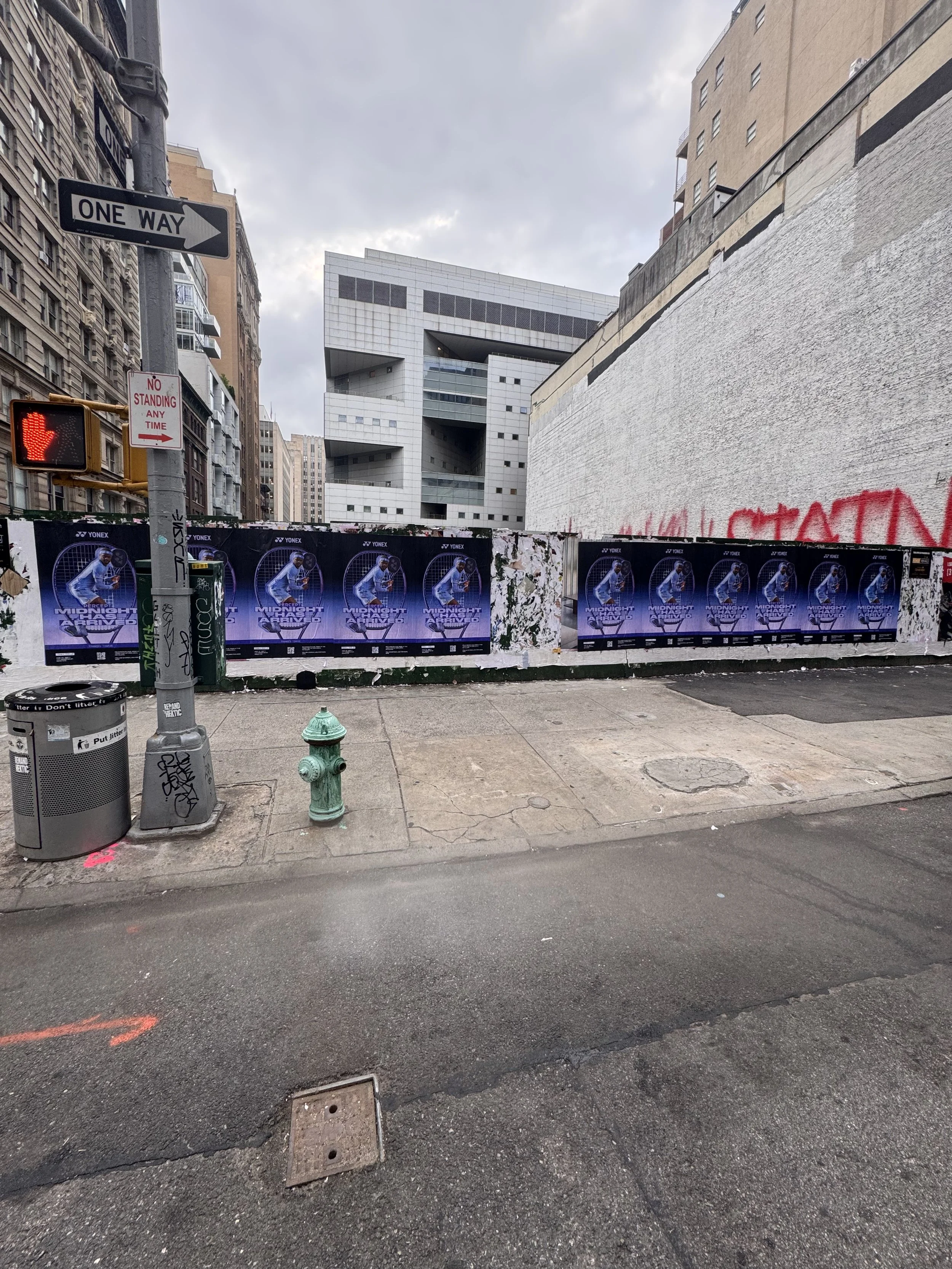
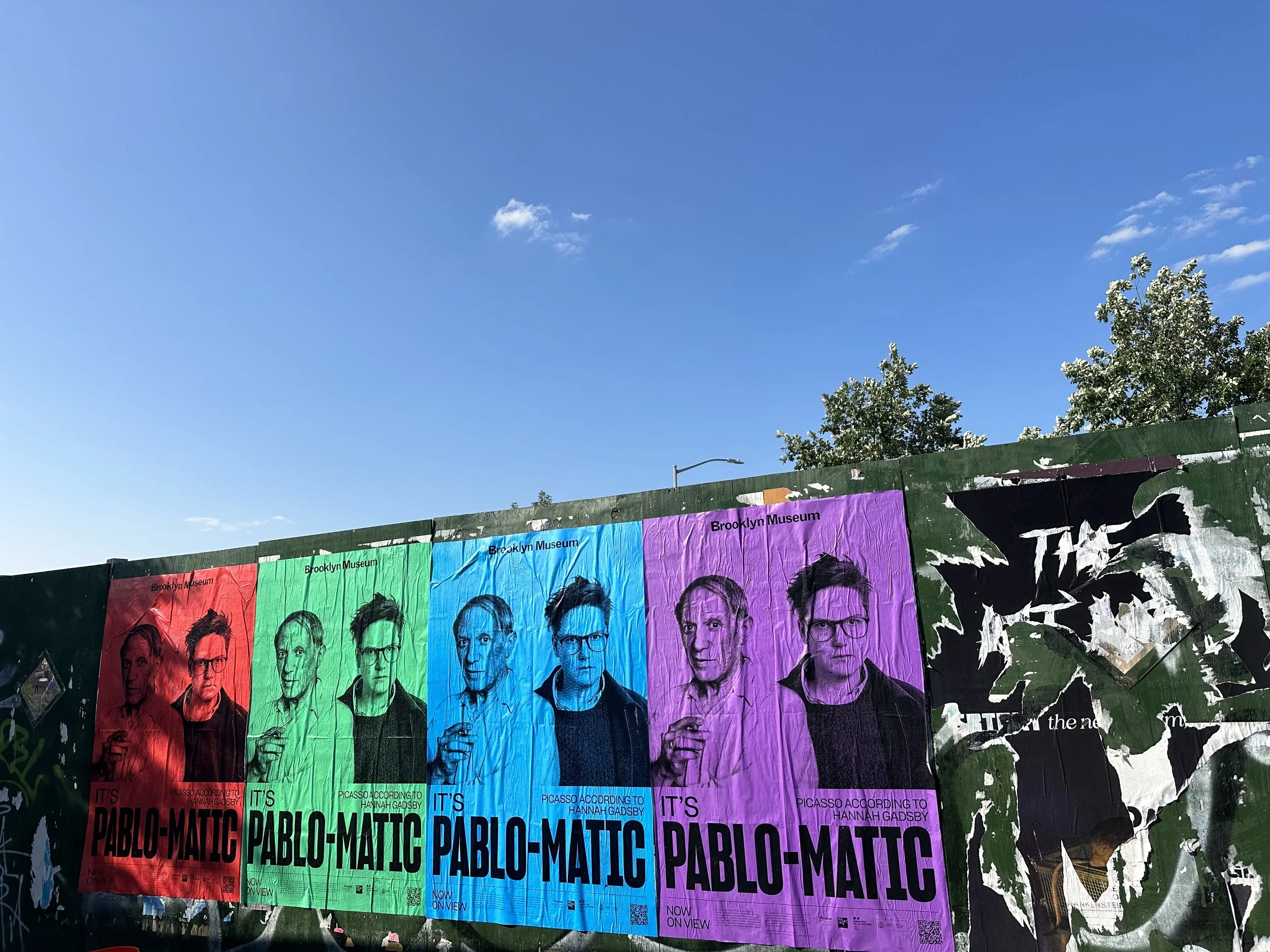
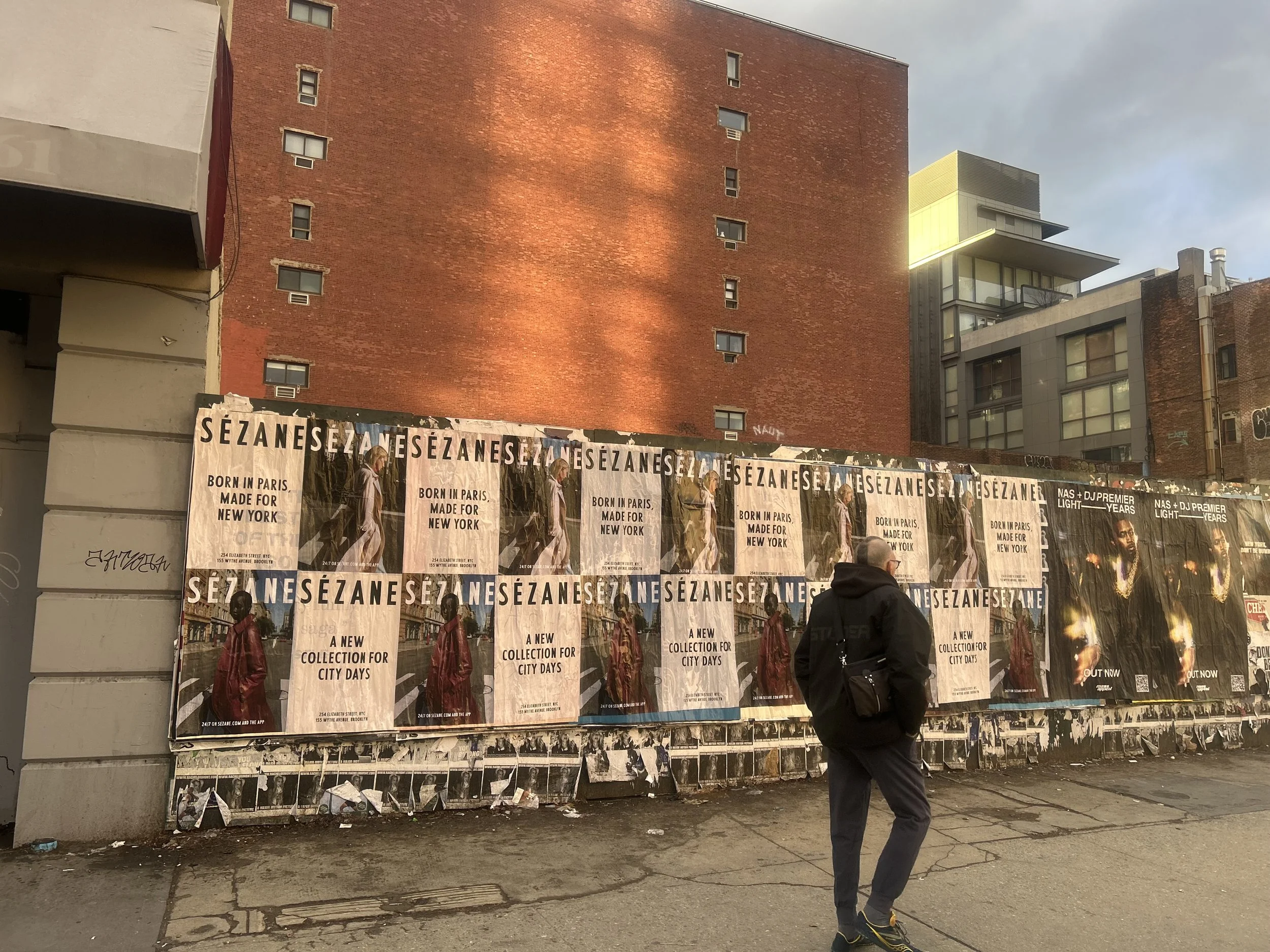
Frequently Asked questions Wheat pasting
What is wheat pasting and how does it work?
Wheat pasting is a street marketing technique where posters are installed on public facing surfaces using a water based adhesive commonly called wheat paste. The paste allows posters to adhere securely to walls, construction barriers, and other street level surfaces while creating the layered poster wall look that is commonly associated with urban advertising and cultural campaigns. This style of marketing is widely used by brands, artists, record labels, and events because it places messaging directly into the street environment where people naturally walk, gather, and explore. Wheat pasting is especially effective in creative districts, nightlife corridors, and high foot traffic areas where posters can organically blend into the visual culture of the city.
Contact info@sidewalkactivations.com
What poster sizes do you offer for wheat pasting campaigns?
We primarily work with two standard poster sizes that are widely used in street marketing campaigns. The most common size is 24 x 36 inches, which allows for flexible placement across many surfaces and is ideal for large scale poster runs. We also offer 48 x 72 inch posters, which are large format installations used to create more dominant visual moments on walls. Many campaigns combine both sizes to create variety and impact. Smaller posters can build density across a neighborhood while larger posters can anchor key walls and create strong photo opportunities.
Contact info@sidewalkactivations.com
Where do you install wheat paste posters?
Our team installs posters in high visibility areas where pedestrian traffic is naturally strong. This often includes nightlife districts, cultural neighborhoods, shopping corridors, music venues, art districts, college areas, transit corridors, and major event zones. Each campaign is mapped strategically to ensure posters are placed where people are most likely to encounter them during their daily movement through the city. We also work closely with clients to identify neighborhoods that align with their target audience.
Contact info@sidewalkactivations.com
Do you operate in multiple cities?
Yes. Sidewalk Activations operates nationwide and can execute wheat pasting campaigns in cities across the United States. Our network of installers allows us to activate campaigns in both major metropolitan markets and smaller local markets. Whether the campaign is focused on one city or multiple cities simultaneously, we are able to coordinate installations and maintain consistency across each market.
Contact info@sidewalkactivations.com
Can you coordinate campaigns in every major city?
Yes. We regularly execute campaigns in major markets including New York, Los Angeles, Miami, Chicago, San Francisco, Seattle, Austin, and many others. Because our network spans across the country, we can also activate campaigns in smaller regional cities when brands want to reach specific communities or support events happening outside of major markets.
Contact info@sidewalkactivations.com
Do you provide documentation after posters are installed?
Yes. We document every campaign after installation. Our team provides photo documentation of the poster placements so clients can review the work and see how the campaign appears on the street. These photos are also commonly used by brands for internal reporting, marketing recaps, or social media sharing.
Contact info@sidewalkactivations.com
Can your team work with content crews or film teams?
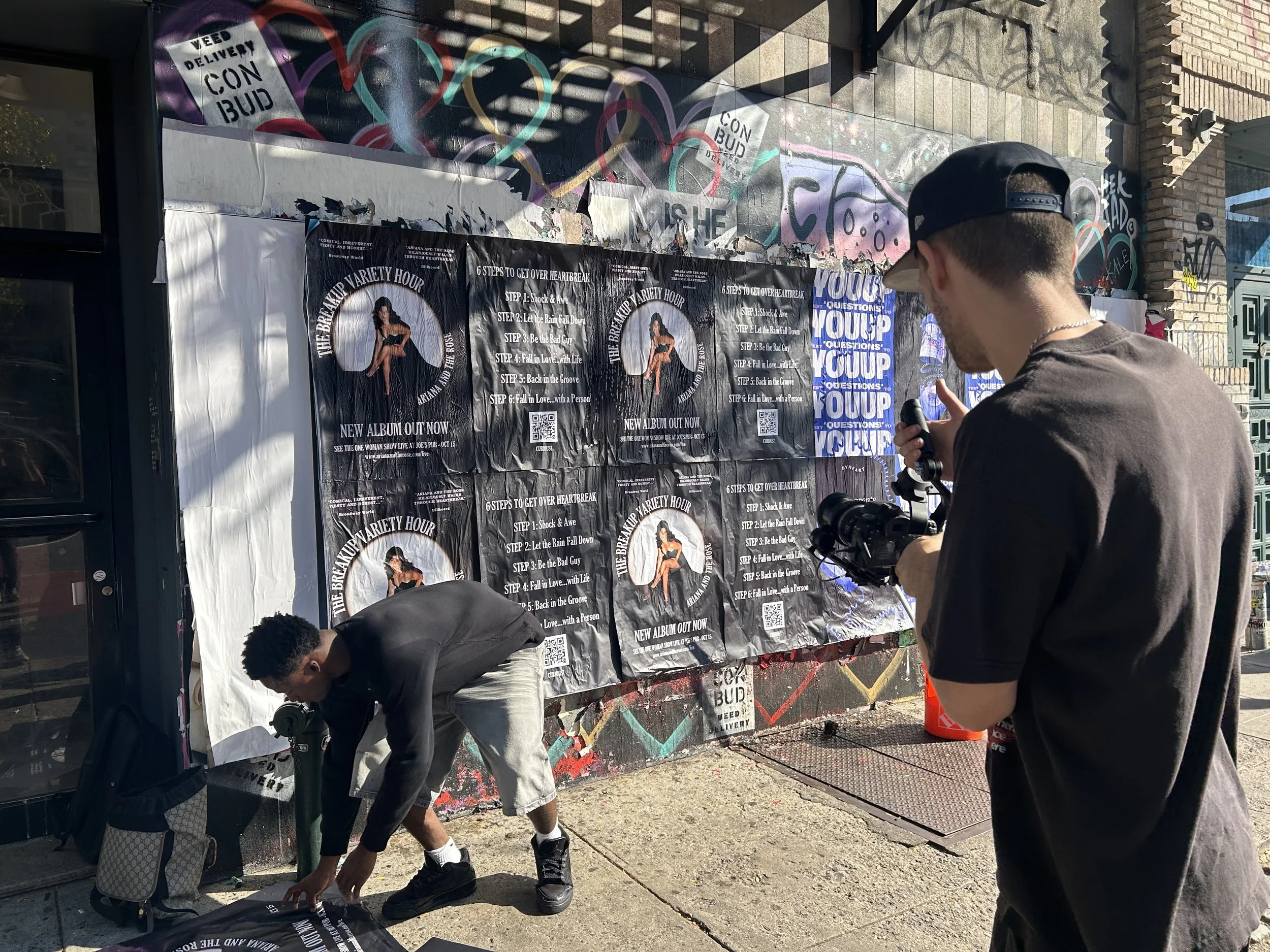
Yes. Many brands and creative teams like to capture the installation process or shoot campaign footage in front of the poster walls. Our team regularly coordinates with content crews, photographers, and production teams to meet on location during installs. This allows creators to capture authentic street visuals while the campaign is going up or shortly after it has been installed.
Contact info@sidewalkactivations.com
How many posters should a campaign include?
The number of posters depends on the scale of the campaign and the level of visibility a brand wants to achieve. Smaller campaigns may focus on a handful of high impact walls, while larger campaigns may distribute posters across an entire neighborhood or city. Many brands choose between 50 and 200 posters in a single market, while multi city campaigns may include several hundred posters across multiple locations.
Contact info@sidewalkactivations.com
How long does it take to launch a wheat pasting campaign?
Most campaigns require about two to three weeks of preparation once artwork is finalized. This timeline allows time for printing, route planning, and coordinating installation teams. If a campaign is tied to a specific event or product launch, we work with clients to schedule installation dates so posters appear shortly before the key moment when awareness is most important.
Contact info@sidewalkactivations.com
What artwork format should we provide for posters?
Artwork is typically provided in PDF format at the final poster size. For example, files should be sized at 24 x 36 inches or 48 x 72 inches depending on the format being used. Many campaigns include one or two poster designs, but clients are also welcome to provide multiple variations if they want to create a broader visual presence across different locations.
Contact info@sidewalkactivations.com
Why do brands choose wheat pasting instead of traditional advertising?
Wheat pasting offers a more organic and culturally relevant way to connect with audiences compared to traditional advertising formats. Because the posters exist within the natural street environment, they often feel more authentic and are more likely to be noticed by pedestrians exploring the area. The format is widely used for product launches, music releases, art exhibitions, fashion drops, and events because it creates strong visual impact while also blending into the energy of the city.
Contact info@sidewalkactivations.com
Can wheat pasting be combined with other street marketing formats?
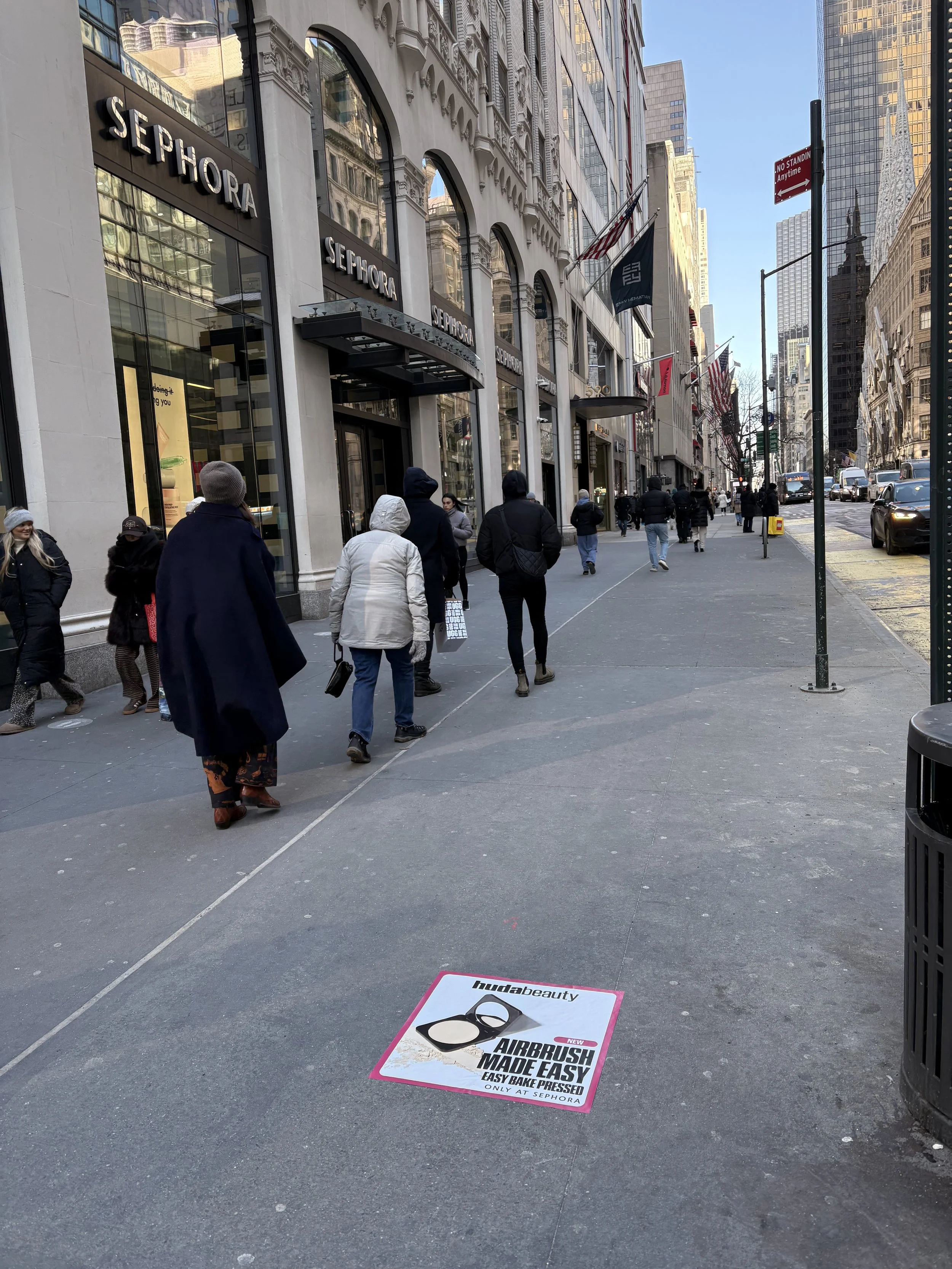
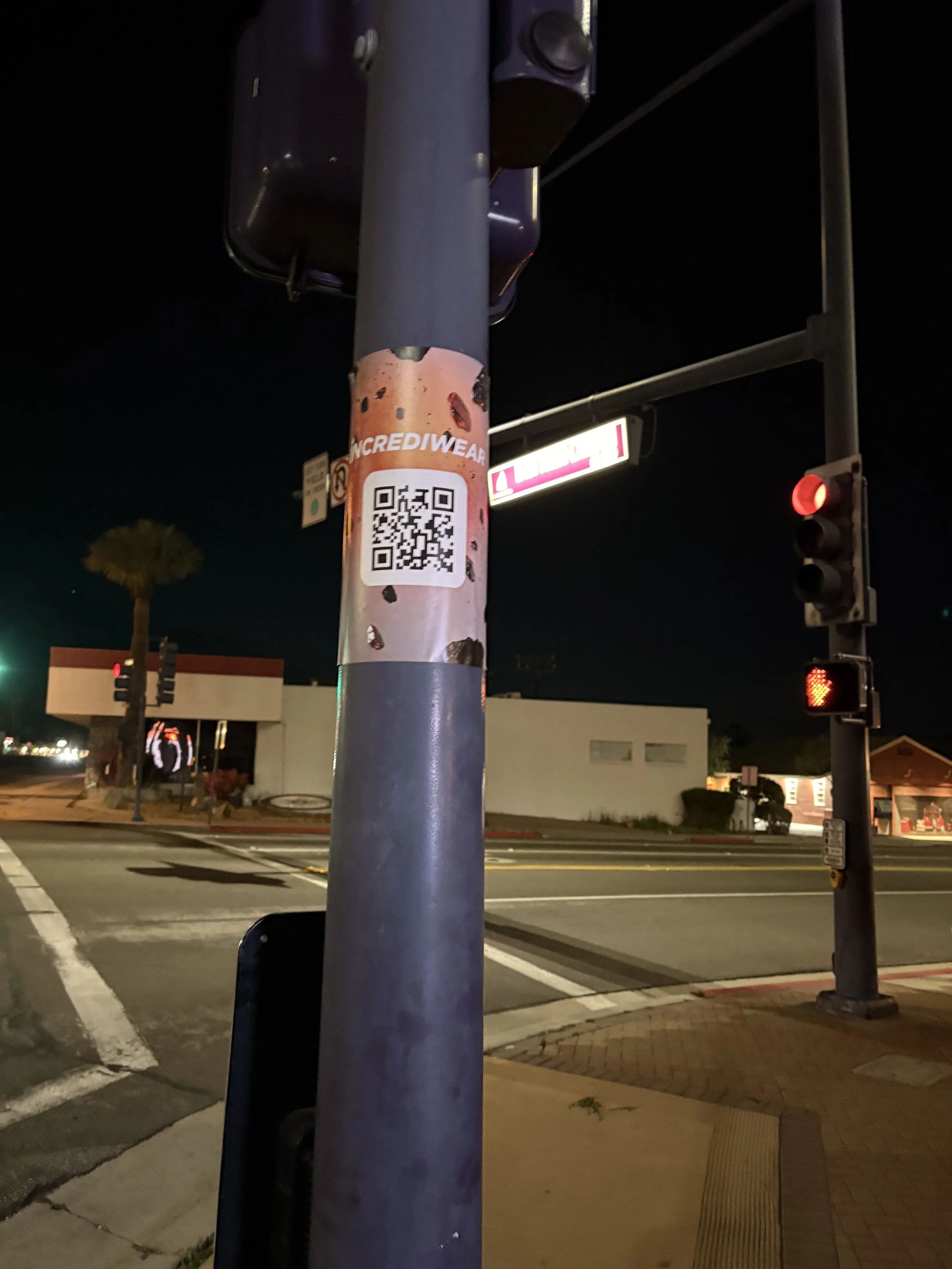
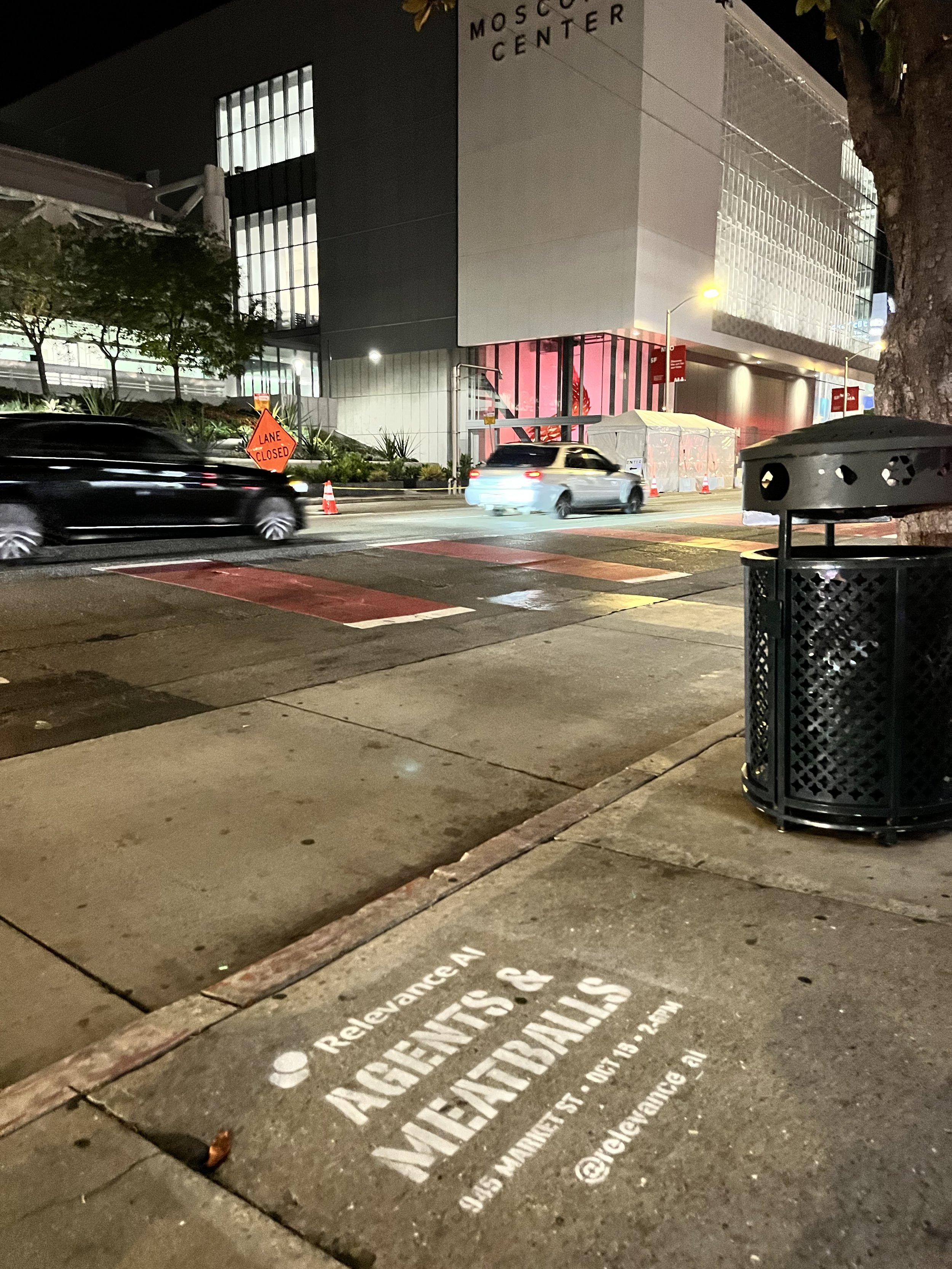
Yes. Many brands combine wheat pasting with other street marketing formats such as sidewalk stencils, pole stickers, or sidewalk decals. Combining multiple formats allows campaigns to appear at different visual levels throughout the neighborhood, increasing the number of touchpoints people encounter as they move through the area. This layered approach often creates a stronger overall street presence.
Contact info@sidewalkactivations.com
wild wehat paste poster advertising in every city nationwide
wheat paste campaign in nyc executed by sidewalk activations
wild wheat paste poster markets
Alabama (AL) includes Birmingham, AL, Huntsville, AL, Montgomery, AL, and Mobile, AL.
Alaska (AK) includes Anchorage, AK, Fairbanks, AK, Juneau, AK, and Wasilla, AK.
Arizona (AZ) includes Phoenix, AZ, Tucson, AZ, Mesa, AZ, and Chandler, AZ.
Arkansas (AR) includes Little Rock, AR, Fayetteville, AR, Fort Smith, AR, and Springdale, AR.
California (CA) includes Los Angeles, CA, San Diego, CA, San Jose, CA, and San Francisco, CA.
Colorado (CO) includes Denver, CO, Colorado Springs, CO, Aurora, CO, and Fort Collins, CO.
Connecticut (CT) includes Bridgeport, CT, New Haven, CT, Stamford, CT, and Hartford, CT.
Delaware (DE) includes Wilmington, DE, Dover, DE, Newark, DE, and Middletown, DE.
Florida (FL) includes Jacksonville, FL, Miami, FL, Tampa, FL, and Orlando, FL.
Georgia (GA) includes Atlanta, GA, Augusta, GA, Columbus, GA, and Savannah, GA.
Hawaii (HI) includes Honolulu, HI, East Honolulu, HI, Pearl City, HI, and Hilo, HI.
Idaho (ID) includes Boise, ID, Meridian, ID, Nampa, ID, and Idaho Falls, ID.
Illinois (IL) includes Chicago, IL, Aurora, IL, Joliet, IL, and Naperville, IL.
Indiana (IN) includes Indianapolis, IN, Fort Wayne, IN, Evansville, IN, and South Bend, IN.
Iowa (IA) includes Des Moines, IA, Cedar Rapids, IA, Davenport, IA, and Sioux City, IA.
Kansas (KS) includes Wichita, KS, Overland Park, KS, Kansas City, KS, and Olathe, KS.
Kentucky (KY) includes Louisville, KY, Lexington, KY, Bowling Green, KY, and Owensboro, KY.
Louisiana (LA) includes New Orleans, LA, Baton Rouge, LA, Shreveport, LA, and Lafayette, LA.
Maine (ME) includes Portland, ME, Lewiston, ME, Bangor, ME, and South Portland, ME.
Maryland (MD) includes Baltimore, MD, Columbia, MD, Germantown, MD, and Silver Spring, MD.
Massachusetts (MA) includes Boston, MA, Worcester, MA, Springfield, MA, and Cambridge, MA.
Michigan (MI) includes Detroit, MI, Grand Rapids, MI, Warren, MI, and Sterling Heights, MI.
Minnesota (MN) includes Minneapolis, MN, Saint Paul, MN, Rochester, MN, and Bloomington, MN.
Mississippi (MS) includes Jackson, MS, Gulfport, MS, Southaven, MS, and Hattiesburg, MS.
Missouri (MO) includes Kansas City, MO, St. Louis, MO, Springfield, MO, and Columbia, MO.
Montana (MT) includes Billings, MT, Missoula, MT, Great Falls, MT, and Bozeman, MT.
Nebraska (NE) includes Omaha, NE, Lincoln, NE, Bellevue, NE, and Grand Island, NE.
Nevada (NV) includes Las Vegas, NV, Henderson, NV, Reno, NV, and North Las Vegas, NV.
New Hampshire (NH) includes Manchester, NH, Nashua, NH, Concord, NH, and Dover, NH.
New Jersey (NJ) includes Newark, NJ, Jersey City, NJ, Paterson, NJ, and Elizabeth, NJ.
New Mexico (NM) includes Albuquerque, NM, Las Cruces, NM, Rio Rancho, NM, and Santa Fe, NM.
New York (NY) includes New York City, NY, Buffalo, NY, Rochester, NY, and Yonkers, NY.
North Carolina (NC) includes Charlotte, NC, Raleigh, NC, Greensboro, NC, and Durham, NC.
North Dakota (ND) includes Fargo, ND, Bismarck, ND, Grand Forks, ND, and Minot, ND.
Ohio (OH) includes Columbus, OH, Cleveland, OH, Cincinnati, OH, and Toledo, OH.
Oklahoma (OK) includes Oklahoma City, OK, Tulsa, OK, Norman, OK, and Broken Arrow, OK.
Oregon (OR) includes Portland, OR, Salem, OR, Eugene, OR, and Gresham, OR.
Pennsylvania (PA) includes Philadelphia, PA, Pittsburgh, PA, Allentown, PA, and Erie, PA.
Rhode Island (RI) includes Providence, RI, Cranston, RI, Warwick, RI, and Pawtucket, RI.
South Carolina (SC) includes Charleston, SC, Columbia, SC, North Charleston, SC, and Mount Pleasant, SC.
South Dakota (SD) includes Sioux Falls, SD, Rapid City, SD, Aberdeen, SD, and Brookings, SD.
Tennessee (TN) includes Nashville, TN, Memphis, TN, Knoxville, TN, and Chattanooga, TN.
Texas (TX) includes Houston, TX, San Antonio, TX, Dallas, TX, and Austin, TX.
Utah (UT) includes Salt Lake City, UT, West Valley City, UT, Provo, UT, and West Jordan, UT.
Vermont (VT) includes Burlington, VT, South Burlington, VT, Rutland, VT, and Barre, VT.
Virginia (VA) includes Virginia Beach, VA, Chesapeake, VA, Norfolk, VA, and Richmond, VA.
Washington (WA) includes Seattle, WA, Spokane, WA, Tacoma, WA, and Vancouver, WA.
West Virginia (WV) includes Charleston, WV, Huntington, WV, Morgantown, WV, and Parkersburg, WV.
Wisconsin (WI) includes Milwaukee, WI, Madison, WI, Green Bay, WI, and Kenosha, WI.
Wyoming (WY) includes Cheyenne, WY, Casper, WY, Laramie, WY, and Gillette, WY.