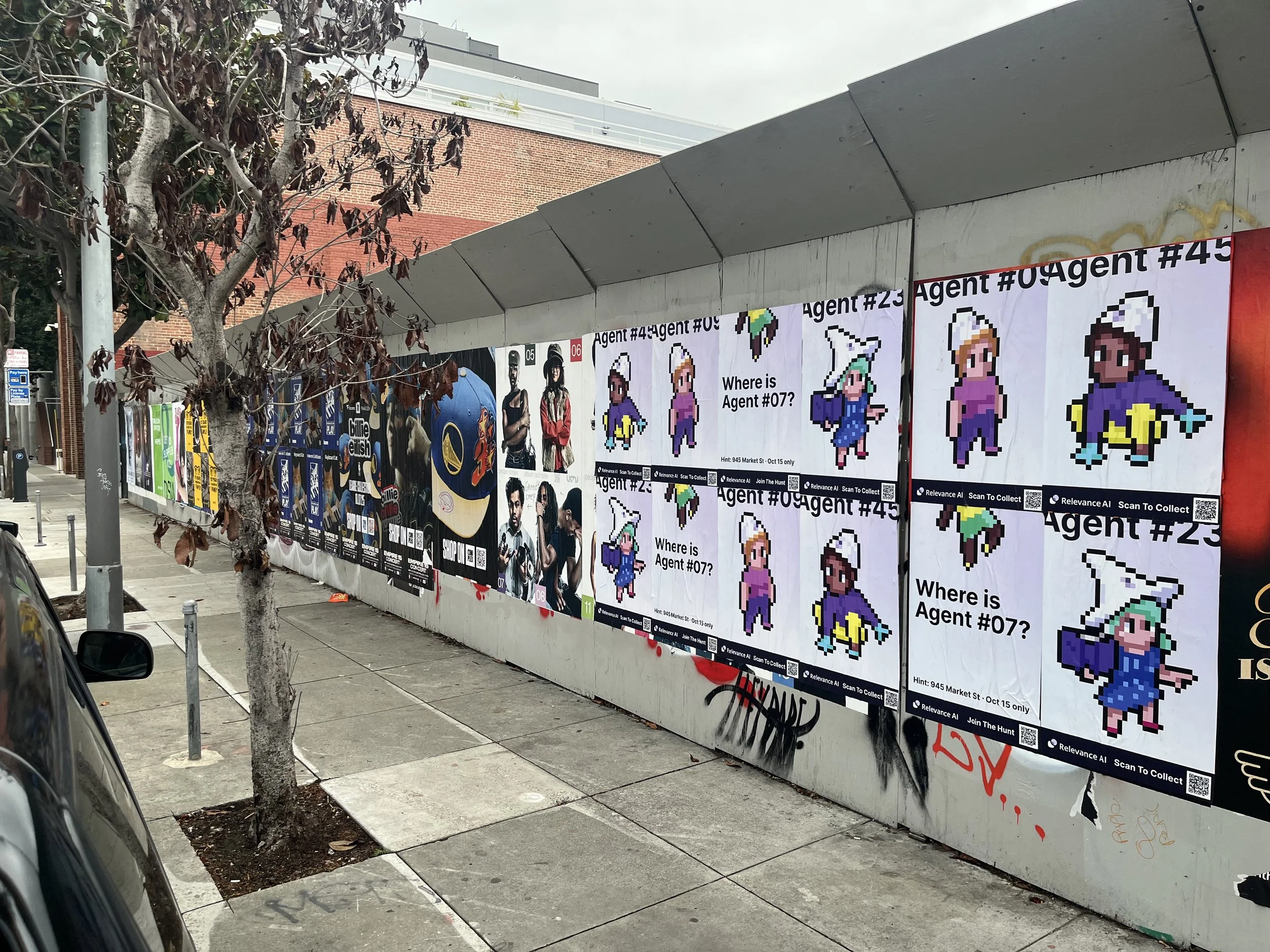
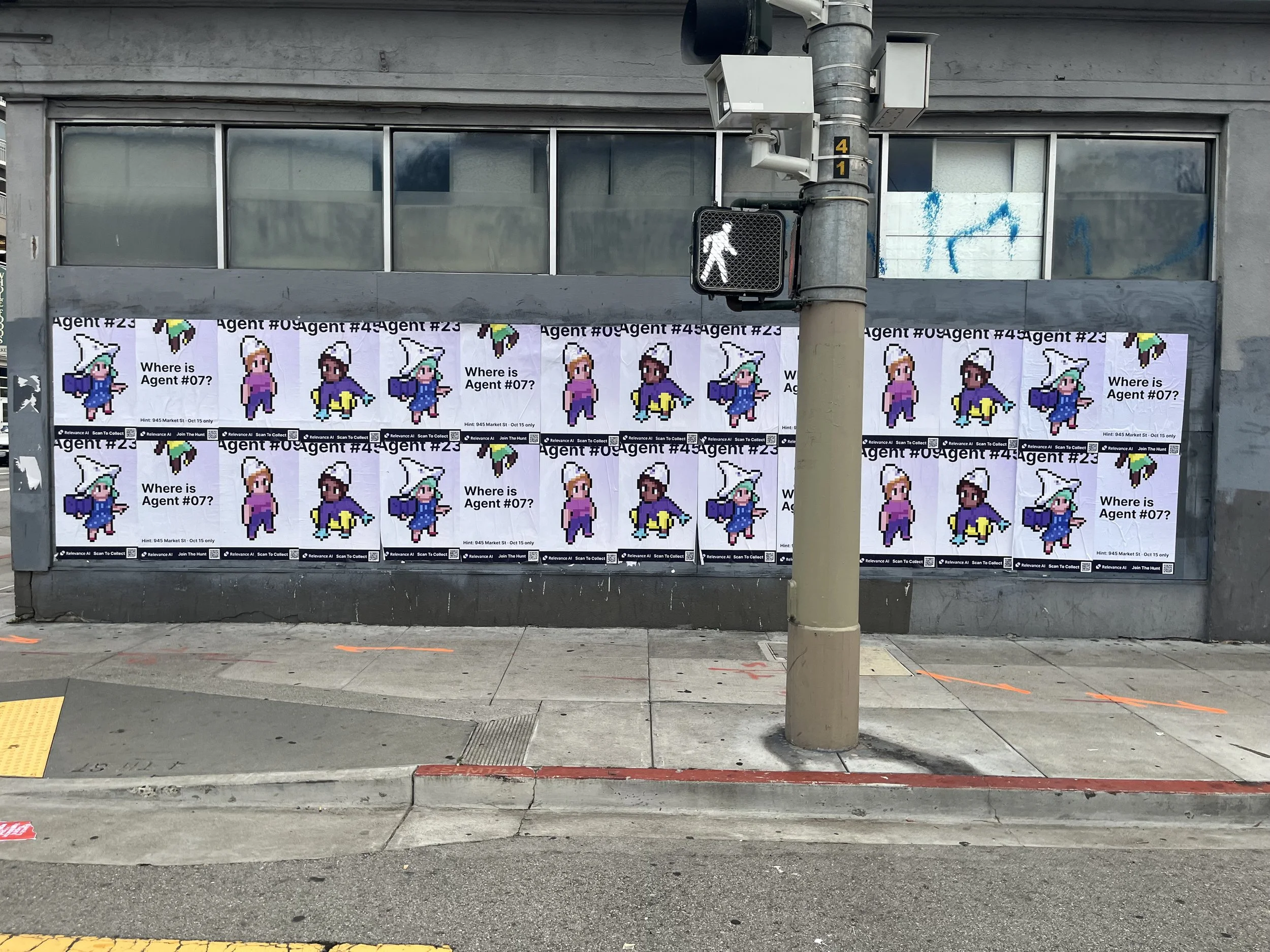
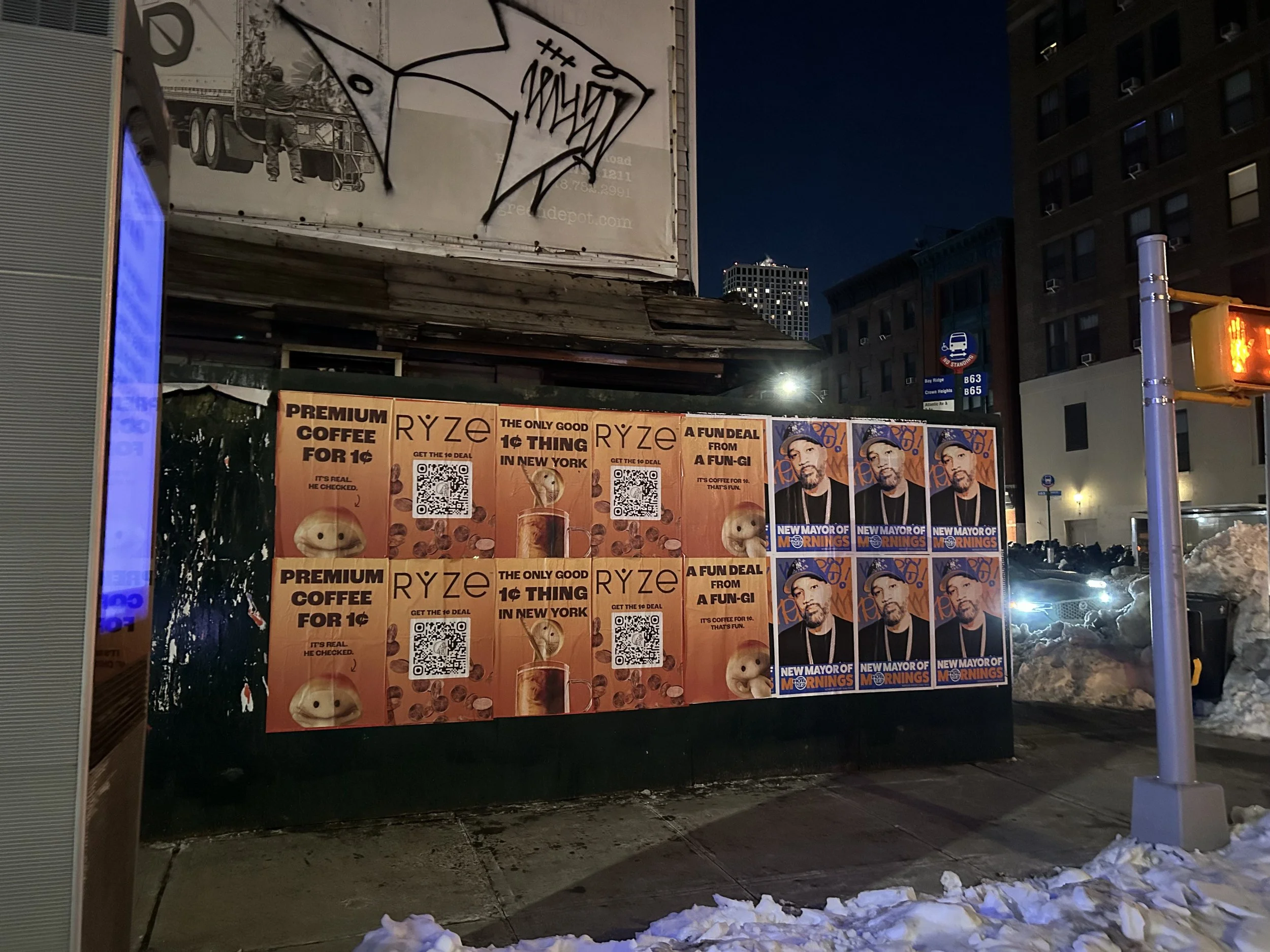
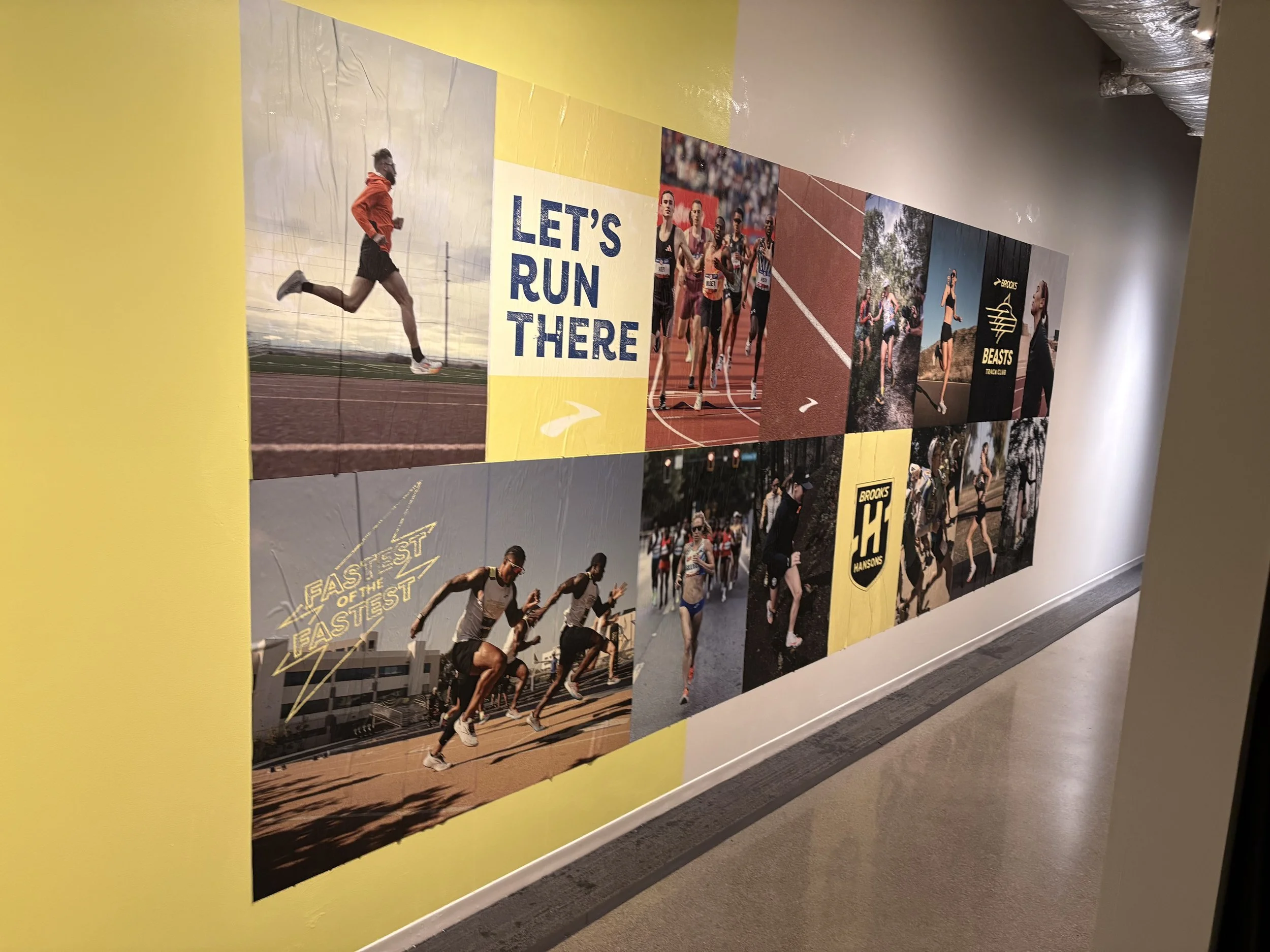
Toronto is one of the largest and most diverse cities in North America, making it an ideal environment for large scale guerrilla marketing campaigns. Districts like Queen West, Kensington Market, and Downtown Toronto attract constant pedestrian activity. Wheat posting and street poster campaigns can create strong visual impact across these neighborhoods while connecting with Toronto’s vibrant urban audience.
High Impact Guerrilla Marketing in Toronto Canada
our services
-
![what pasting campaign by sidewalk activations]()
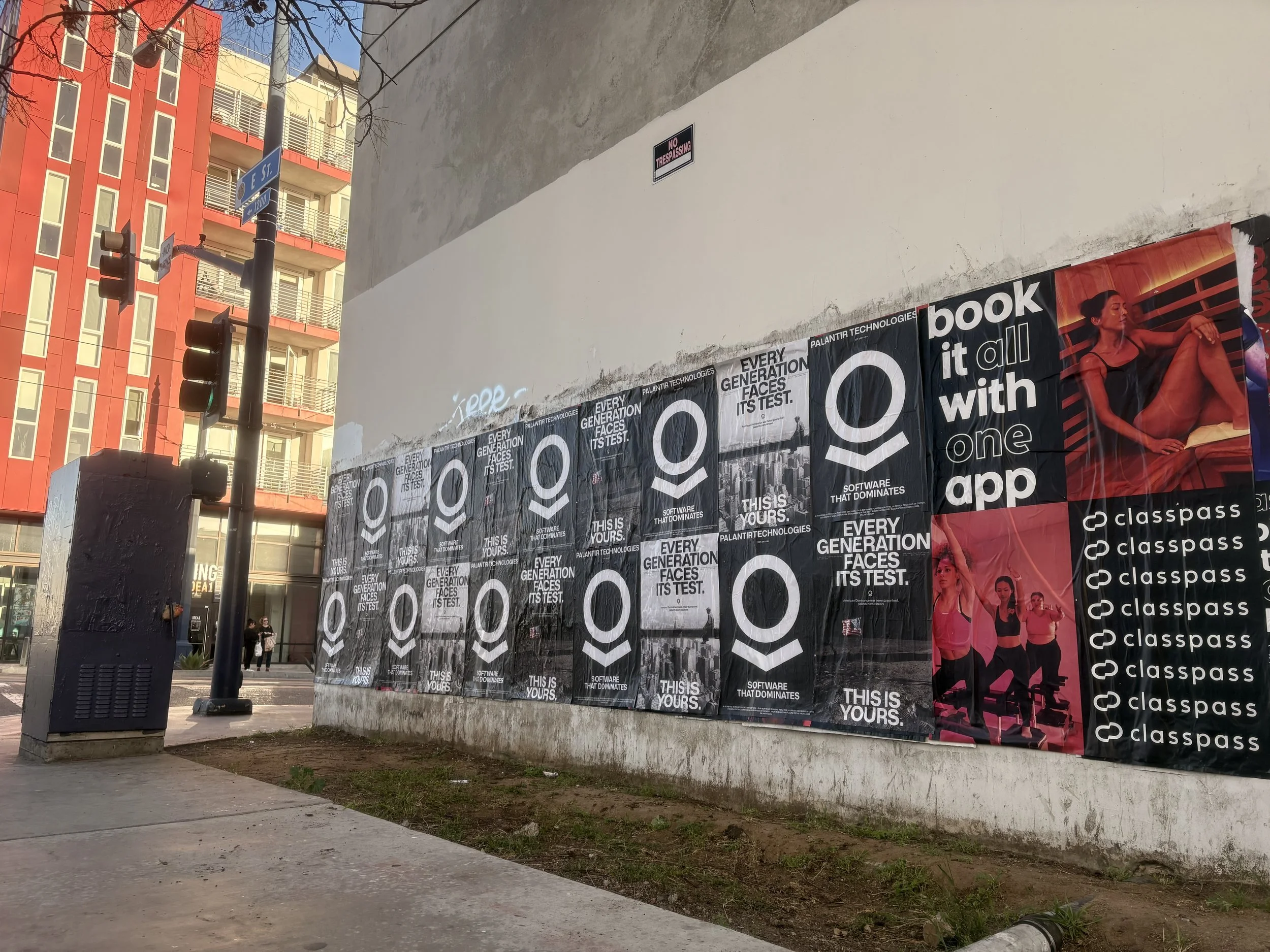
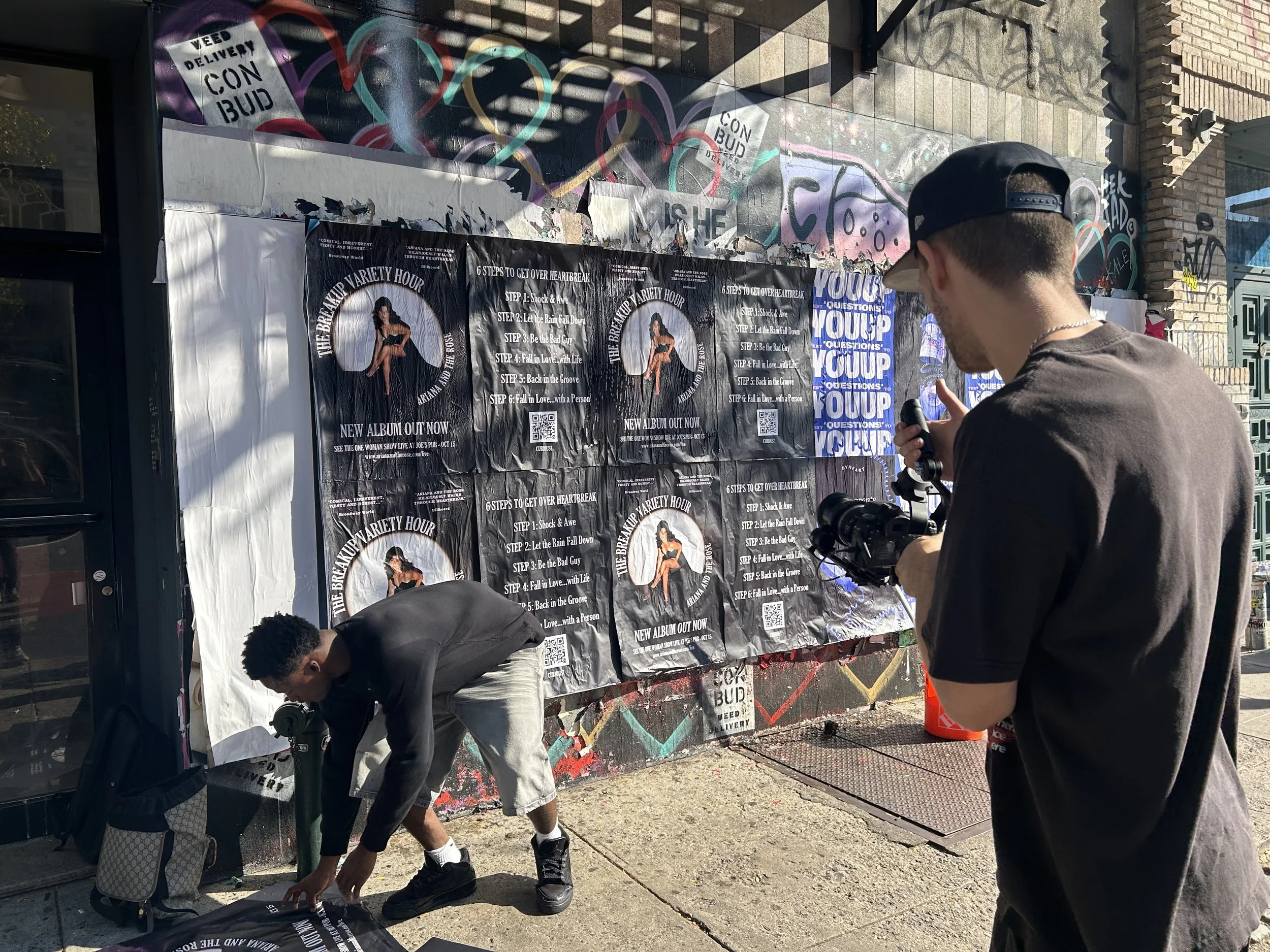
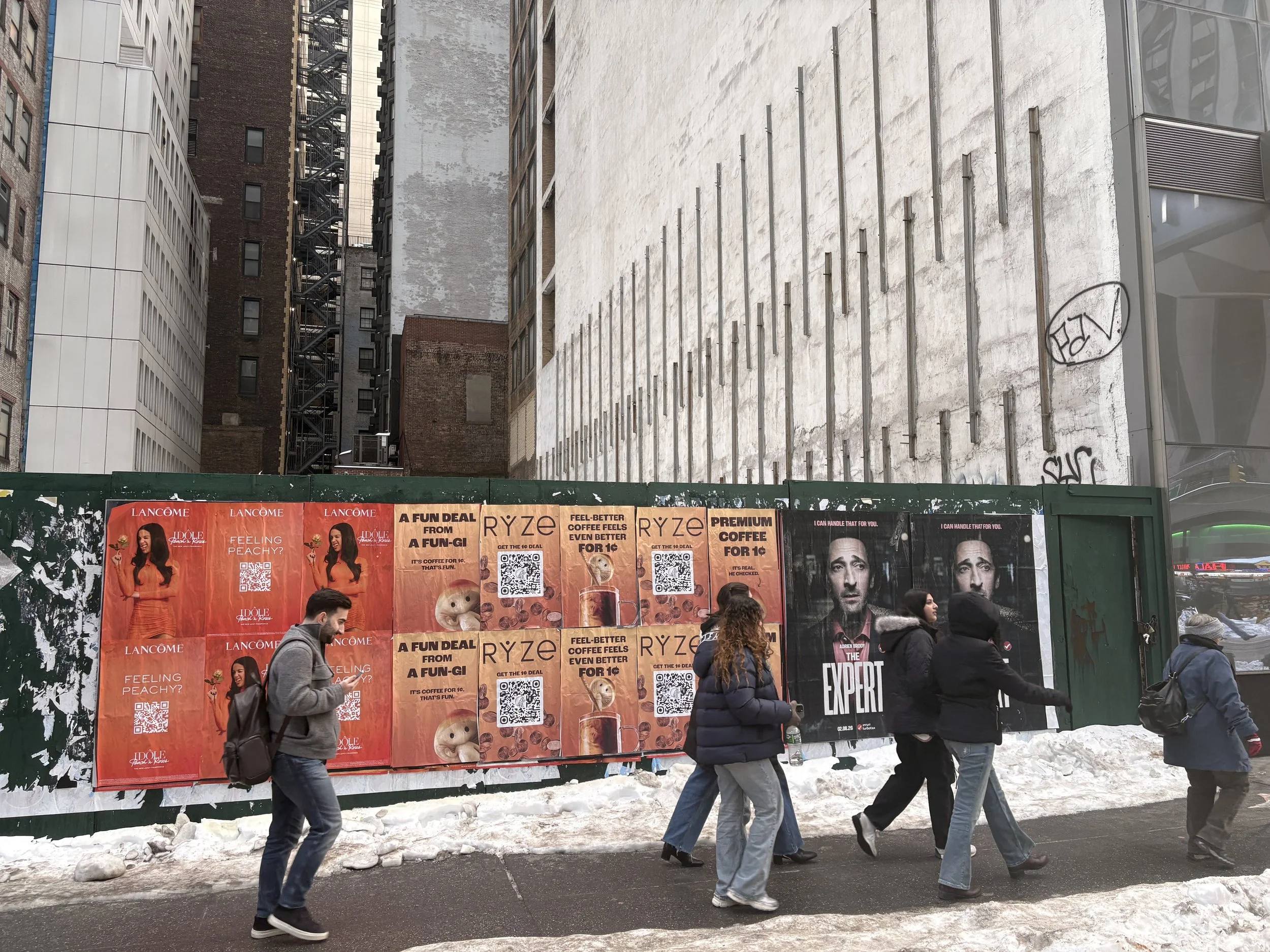
wheat paste posters
Large-format paper posters adhered to walls. Wheat pasting turns building facades into bold brand canvases.
-
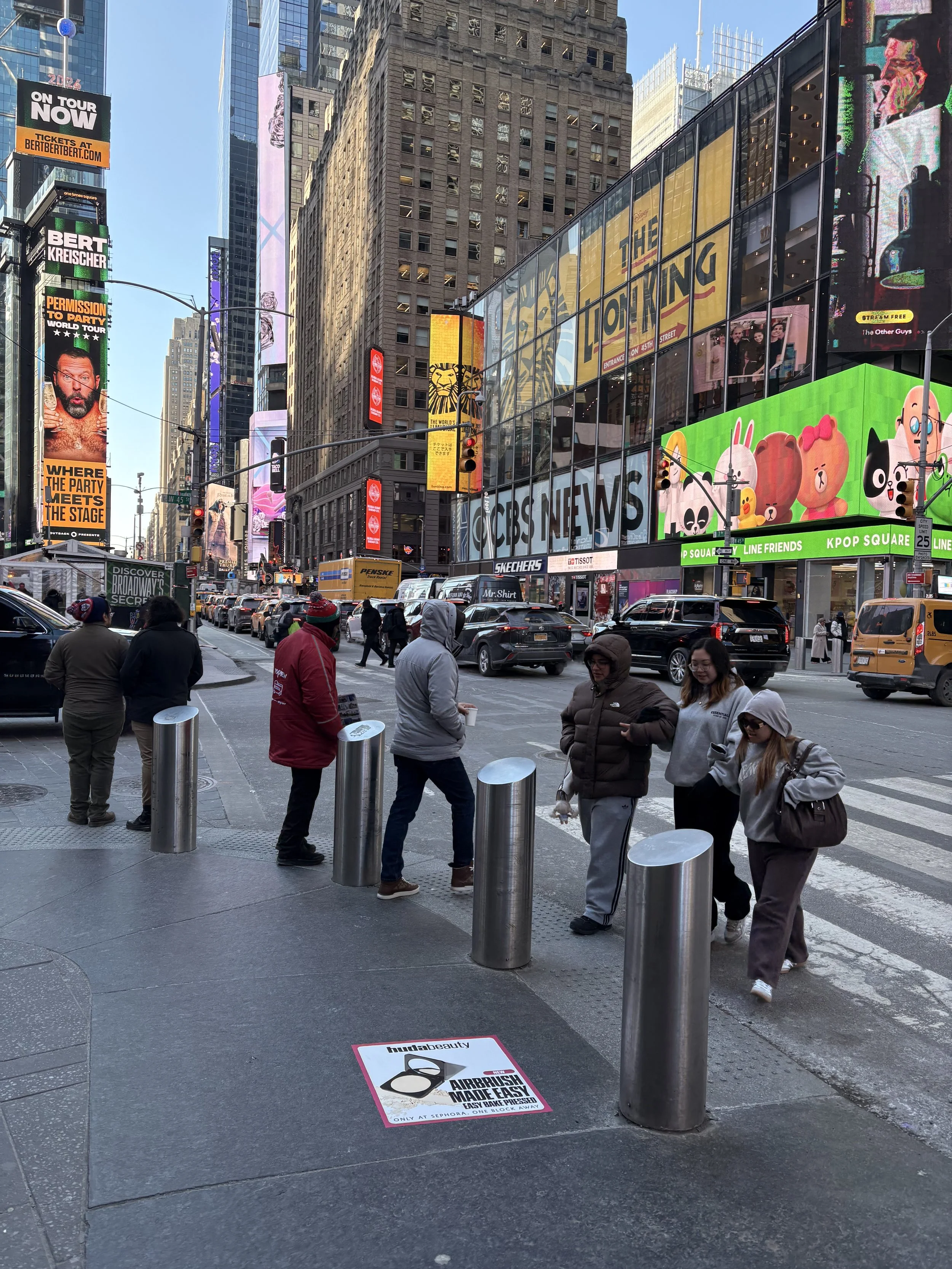
![Sidewalk decal/graphic in times square]()
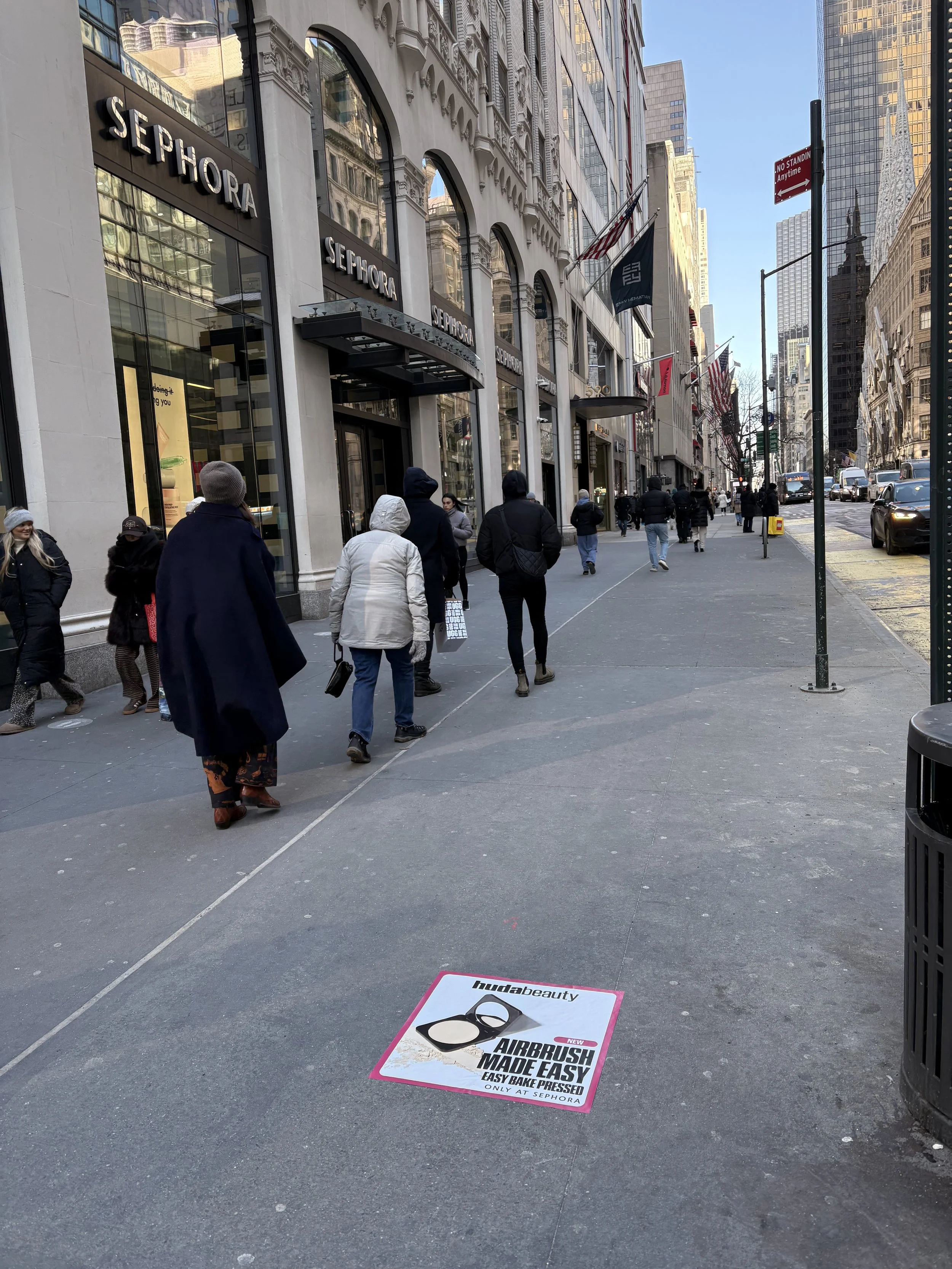
SIDEWALK DECALS
Decal advertising uses custom floor stickers applied directly to sidewalks and indoor surfaces, creating durable, high-impact brand touchpoints that withstand foot traffic and demand attention.
-
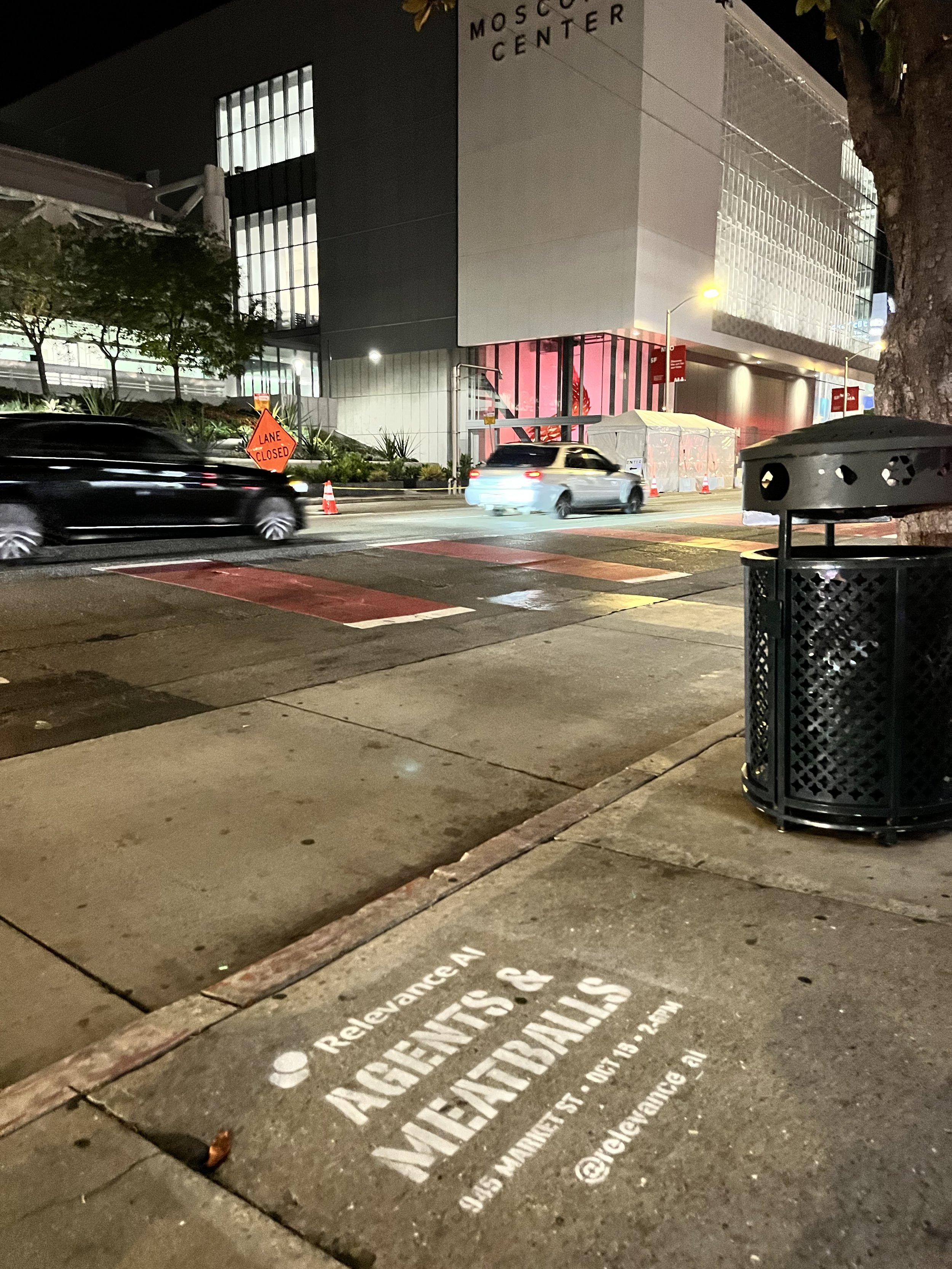
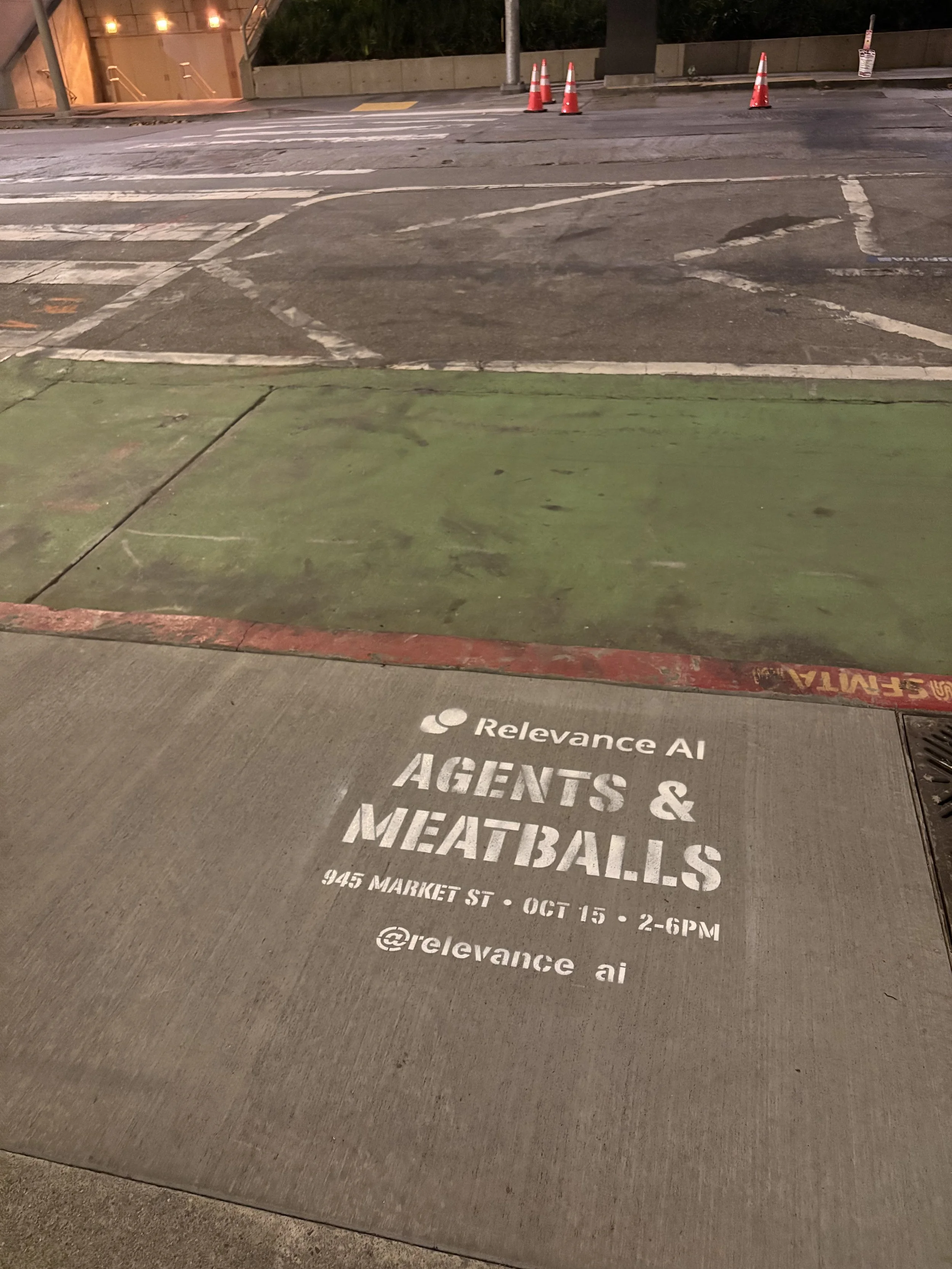
![sidewalk stencil in san francisco]()
SIDEWALK STENCils
Custom-cut designs spray-painted onto sidewalks. Stencils create high-visibility messages that guide foot traffic and reinforce branding at street level.
-
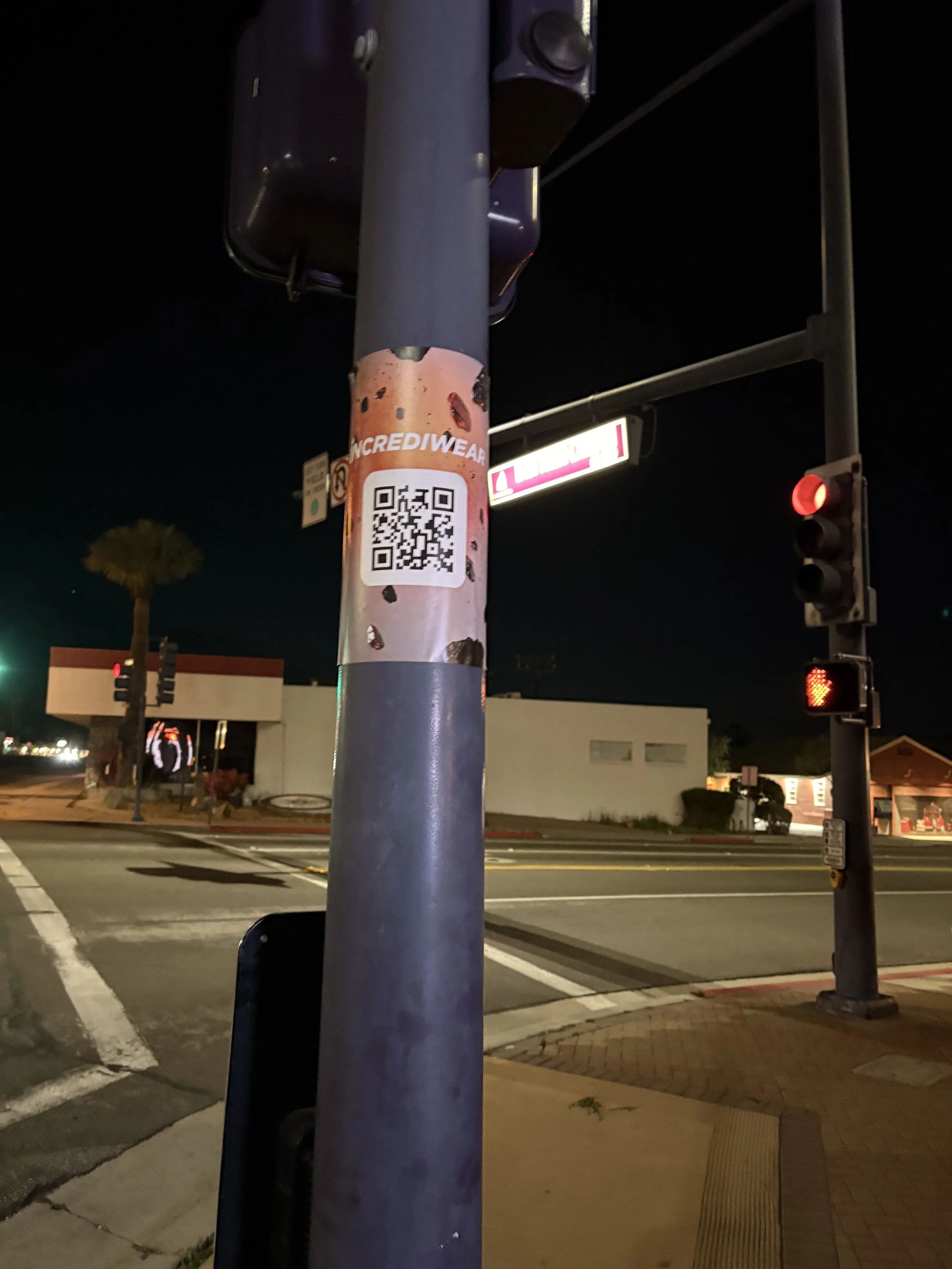
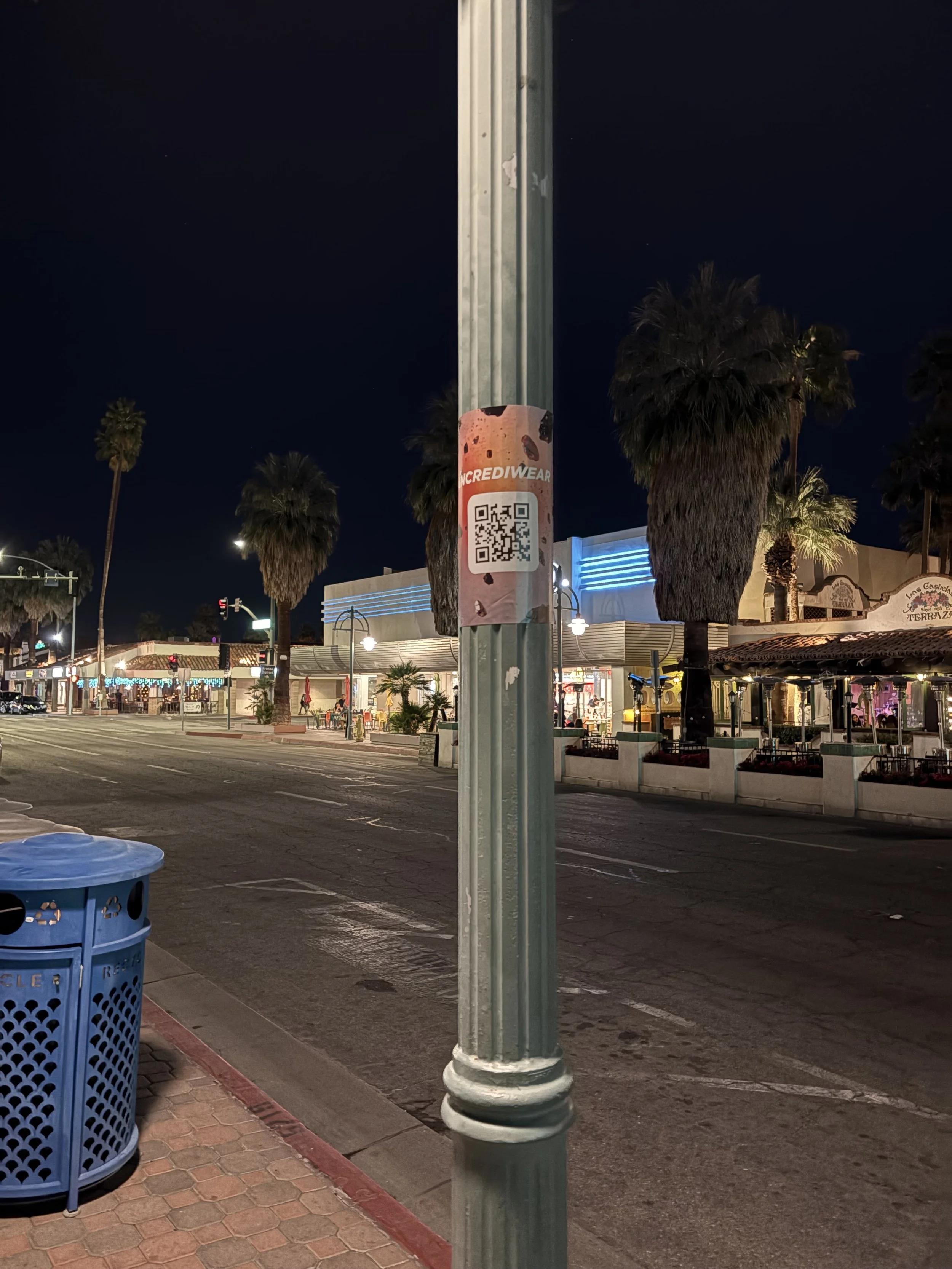
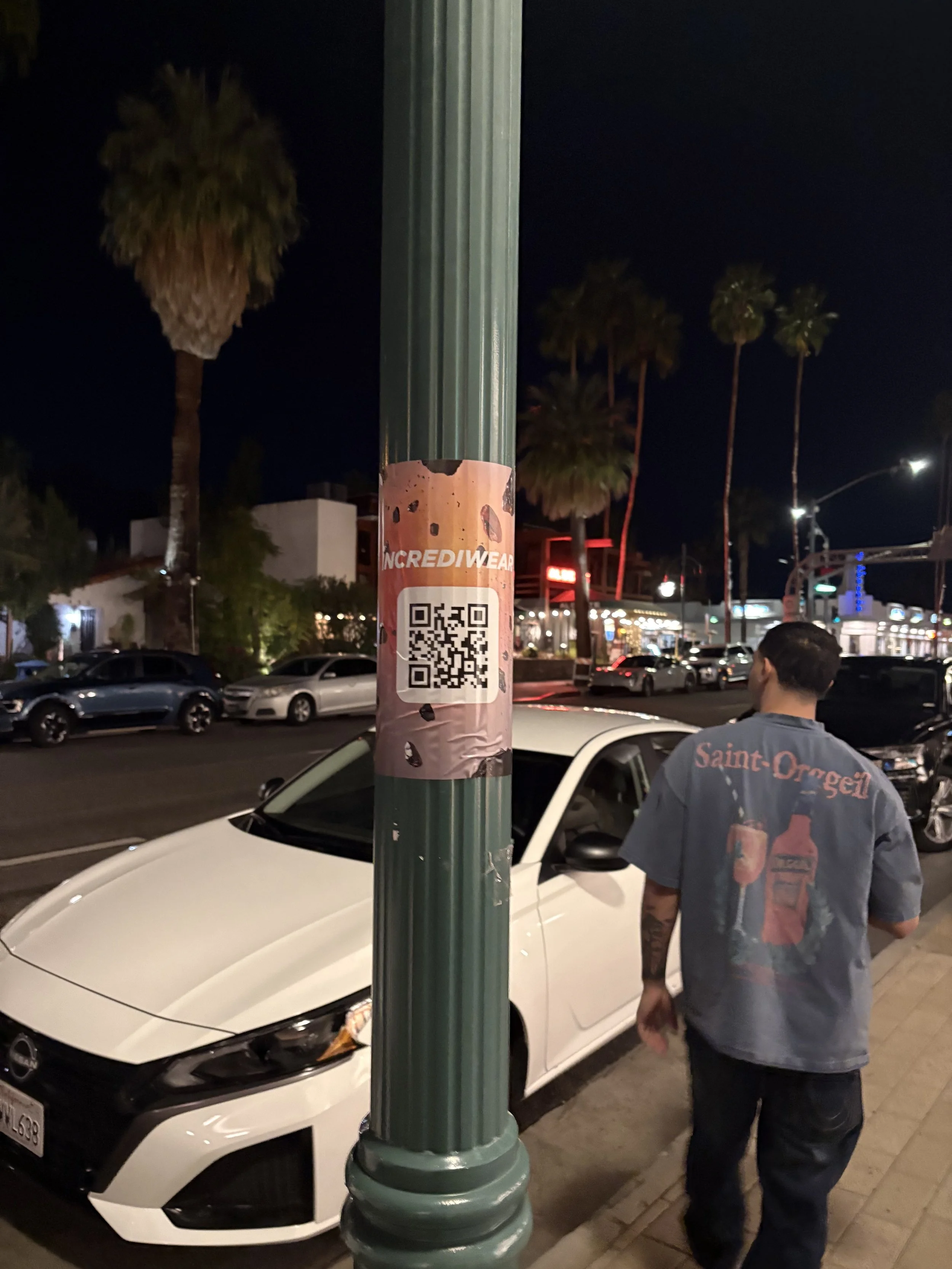
![Snipe advertisement by sidewalk activations]()
Snipe Ads
Snipe advertising places small 8.5" x 11" posters on poles, street lamps, and sign posts, capturing eye-level attention and building frequency throughout high-traffic corridors.
-
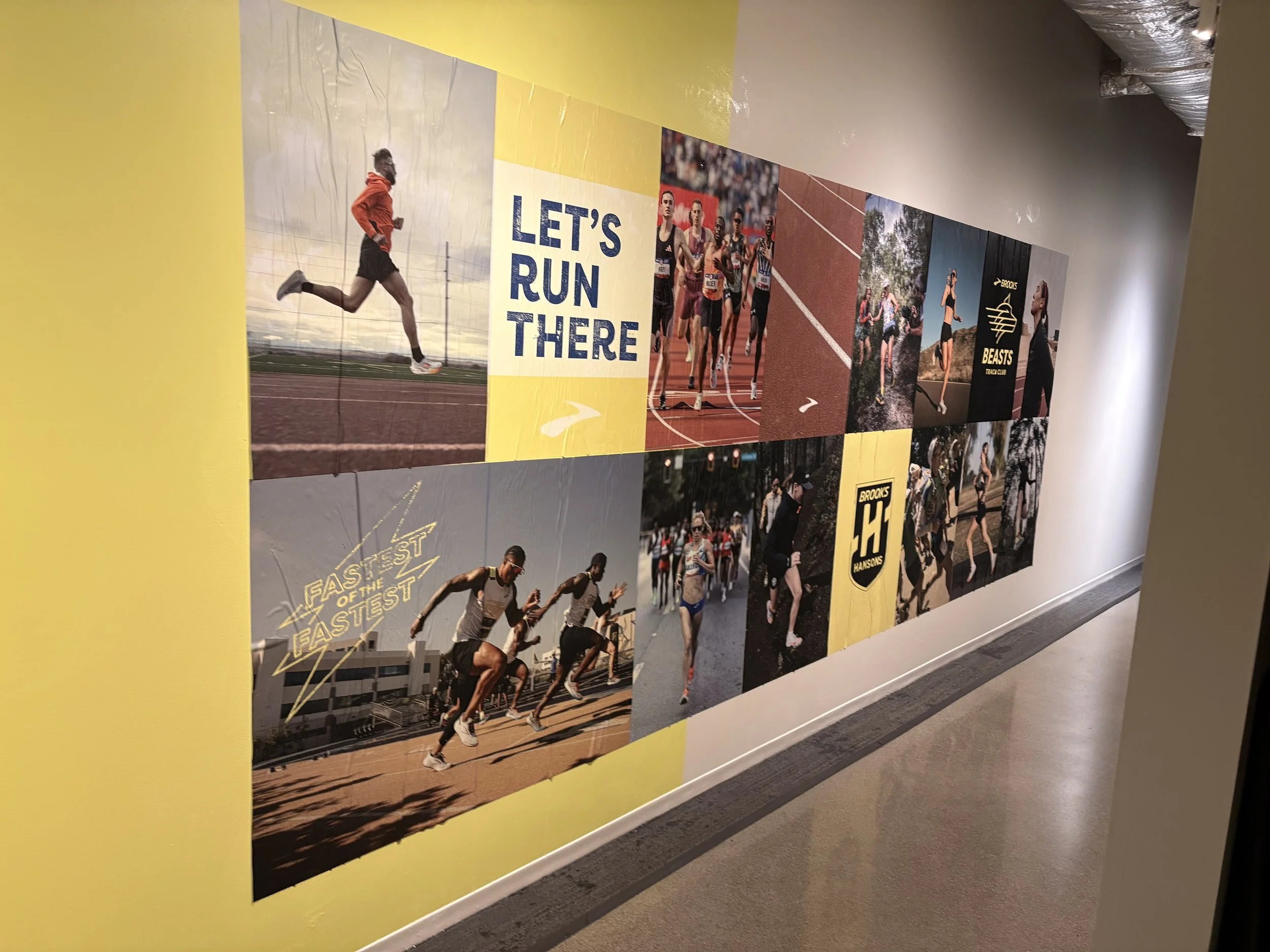
![wheat paste poster installation inside office]()
indoor wheat paste poster installs
indoor installation inside office space
contact us
Guerrilla Marketing in Toronto Canada
Toronto presents a landscape of remarkable diversity and scale, Canada's largest city and the fourth-largest in North America with nearly 3 million residents spread across 158 officially recognized neighbourhoods within its boundaries, and upwards of 240 when including informal designations . For a guerrilla agency like Sidewalk Activation, success here depends on understanding that Toronto is not a monolith but a federation of fiercely independent communities, from the Victorian charm of the Annex to the multicultural markets of Scarborough, from the boutique-lined streets of Yorkville to the beachfront boardwalks of the Beaches. The city's unofficial nickname, "the city of neighbourhoods," reflects an identity shaped by generations of immigrants, citizen activism, and a planning history that fought to preserve community character against urban renewal schemes and expressways . Toronto welcomed a record 28.2 million visitors in 2025, generating $9.1 billion in direct spending and nearly $13.5 billion in total economic impact, with international arrivals rising 8% led by growth from the U.K. and Germany . The city is now preparing for its most significant international moment since the 1960s: hosting six matches of the 2026 FIFA World Cup at BMO Field (temporarily renamed Toronto Stadium), with an estimated 380 million viewers worldwide and a $380 million investment in preparations . The guerrilla marketer in Toronto must become fluent in the language of the city's neighbourhoods, a navigator of its municipal regulations where flyer distribution requires no licence but moving with the flow of pedestrian traffic is required, and a respectful participant in communities shaped by Italian, Portuguese, Chinese, South Asian, and countless other immigrant waves.
Old Toronto, also known as "the core" or the original city before amalgamation, contains the downtown and the densest, most walkable neighbourhoods in the metropolitan area . The Annex, located west of the University of Toronto, features large Victorian houses with wraparound porches, many owned by faculty or rented to students, creating a mix of academic energy and residential life where front yards offer ideal places for conversation on weekends during yard sales . Seaton Village, adjacent to Little Italy, was one of the areas of Italian settlement in the early 1950s when the first post-war wave of immigrants from Southern Italy arrived, and today retains corner stores, sidewalk cafes, and a community atmosphere where porches accommodate families and neighbors who sit and chat at any time of the day . The sounds of foreign languages—Portuguese, Italian, Spanish, and Chinese—mix with the smells of Mediterranean cuisine, and immigrant gardens in both front and back yards tell stories of cultural roots with tomatoes, beans, zucchinis, and grapes cultivated with generations-old knowledge . This interactive layout of houses, gardens, yards, and sidewalks creates an atmosphere of social control and security that makes these neighbourhoods especially safe and vibrant .
The downtown core contains some of Toronto's most distinctive districts. Yorkville, north of Bloor Street, offers high-end boutiques and restaurants in a refined setting. Chinatown, centred on Spadina Avenue, bustles with restaurants, bakeries, and shops serving the Chinese-Canadian community and visitors alike. Kensington Market, a few blocks west, is a bohemian enclave of vintage shops, international food stalls, and colourful street art that has become one of Toronto's most beloved destinations. The Entertainment District, along King Street West, pulses with theatres, concert venues, and restaurants that draw crowds on weekend evenings. The Distillery District, a collection of Victorian industrial buildings converted to galleries, shops, and cafes, offers a pedestrian-only environment perfect for experiential activations. These dense, walkable areas reward campaigns designed for discovery-mode visitors and residents who navigate the city on foot, bicycle, and public transit.
The west end of Old Toronto contains neighbourhoods with distinct characters shaped by waves of immigration and urban activism. Little Italy, along College Street, remains a hub of Italian-Canadian life with sidewalk cafes, restaurants, and bakeries that spill onto the street during warm months . Portugal Village, near Dundas and Crawford, reflects the Portuguese community's presence with traditional bakeries and shops. The area's planning history is legendary: in 1971, after a ten-year fight, citizens successfully stopped the planned extension of the Spadina Expressway, which would have cut right through the Annex and other downtown neighbourhoods . This victory, achieved with the help of community organizers, led to a 1972 election victory for preservation forces under the banner of "Preservation of Neighbourhoods," making neighbourhood planning a priority and bringing many activists into city government . The political agenda that followed focused on low-rise, medium-density housing, social housing, and mixing people with different incomes—a stark contrast to the old approach of ghettoizing the poor in projects like Regent Park . This history means Toronto residents are engaged, politically aware, and protective of their neighbourhoods, requiring brands to show up as partners rather than intruders.
The east end of Old Toronto offers neighbourhoods with their own distinct energy. The Beaches, along Lake Ontario, features a boardwalk, swim-friendly beaches, and Queen Street East's shops and restaurants, attracting families and young professionals seeking a relaxed lakeside lifestyle. Leslieville, once a working-class area, has transformed into a trendy destination with independent boutiques, acclaimed restaurants, and a strong sense of community. Greektown on the Danforth, one of North America's largest Greek communities, comes alive during the annual Taste of the Danforth festival. The Danforth's wide sidewalks and consistent street wall of low-rise retail create an ideal environment for pedestrian-focused engagement. Riverside, along Queen Street East just west of the Don River, has emerged as a creative hub with art galleries and design shops. These neighbourhoods reward brands that understand their distinct identities and can integrate into community life.
East York, an autonomous urban borough until 1998, lies north of Danforth Avenue between the Don River and Victoria Park Avenue, with Edwardian urban neighbourhoods south of Taylor-Massey Creek referred to as Old East York . This area shares characteristics with the older parts of Toronto, with dense, mixed-use streets and a strong sense of community identity. The former borough of York, west of Bathurst Street, contains neighbourhoods including Little Jamaica along Eglinton West, a historic centre of Toronto's Caribbean community, and Weston, an independent village until 1967 with its own Main Street character . Mount Dennis, now home to the new Crosstown LRT line, is undergoing transformation while maintaining its working-class roots. Oakwood Village, also known as Five Points, blends residential streets with small commercial nodes. These areas require culturally competent engagement that respects their history and present-day community dynamics.
The inner suburbs of Etobicoke, North York, and Scarborough represent Toronto's post-war expansion, though even these districts have pockets of older, more urban character. Etobicoke's southern neighbourhoods along Lake Ontario—Long Branch, New Toronto, and Mimico—were independent lakeside villages before being absorbed, and they retain a distinct character with waterfront parks and Main Street commercial strips . North York City Centre, around Mel Lastman Square, has developed as a downtown of its own, with high-rise towers, civic spaces, and Yonge Street retail. Scarborough, the largest district by area, contains neighbourhoods like Agincourt, Malvern, and West Rouge, many corresponding to former postal villages from the agrarian era . Scarborough is one of the most diverse areas in Canada, with large Chinese, South Asian, and Filipino communities shaping its commercial strips and cultural life. These suburban neighbourhoods require different engagement strategies than the downtown core, with activations focused on community centres, shopping plazas, and places where residents naturally gather.
Toronto's tourism economy reached historic heights in 2025, with 28.2 million visitors generating $9.1 billion in direct spending, a 4% increase over the previous record . Domestic visitation led the way with 25 million visitors, rising 3% as Canadian travel to the U.S. declined sharply and more Canadians explored their own country . International arrivals were the fastest-growing segment, rising 8% to 1.4 million visitors, led by the U.K. with 12% growth and Germany with 10% growth . The U.S. market, while still the second-largest segment at 1.9 million visitors, declined 6% amid shifting trade policies and economic uncertainty . Major meetings and events drove significant growth, with Toronto hosting 74 major conferences attracting 378,000 delegates, a 51% year-over-year increase generating $982 million in economic impact . The city's visitor economy now supports thousands of businesses and jobs, with visitors spending $2.2 billion beyond Toronto in destinations like Niagara, Muskoka, and Ottawa .
The 2026 FIFA World Cup represents an unprecedented opportunity for Toronto, with six matches scheduled at BMO Field, temporarily renamed Toronto Stadium at Exhibition Place, starting with Canada's first match on June 12 . The city's preparations include a $146 million renovation of BMO Field, adding 17,000 temporary seats to bring capacity up to the FIFA minimum of 45,000, with total hosting costs estimated at $380 million funded by federal, provincial, and municipal governments . A free fan festival at Fort York will feature live game broadcasts, food, and cultural programming, with the city also spending $1.7 million in grants to sponsor about 60 community celebrations around the city during the tournament . Organizers have reached out to consular groups from participating nations, who will showcase their culture, food, and people at the fan festival . Transit authorities are conducting stress tests on the Bathurst streetcar line to manage expected surges in pedestrian traffic moving toward Exhibition Place . Billboards proclaiming "the beautiful game is coming to Toronto" have begun appearing across the city as the 100-day countdown progresses .
The regulatory environment for guerrilla marketing in Toronto is relatively permissive compared to many cities, but requires understanding of specific rules. The distribution of handbills, pamphlets, leaflets, or flyers does not require a business licence . Product samples may be distributed without a licence or permit as long as the individual is moving while handing them out—setting up a table or parking a vehicle on the curb to distribute products is prohibited, and food items require Public Health approval . Those soliciting donations for charities may do so without a licence but must not encumber the sidewalk area . For signage and outdoor advertising, the City of Toronto Sign Bylaw governs placement, size, and duration, with specific restrictions near schools (typically 100–150 metre setbacks), residential areas, and traffic intersections . Signs displayed on public property during election periods must meet specific requirements regarding size (maximum 1.2 square metres), height (maximum two metres above ground), and placement (not within 1.5 metres of curbs, 0.6 metres of sidewalks, or 15 metres of intersections) . Digital signage must meet brightness and animation restrictions to avoid driver distraction .
Toronto's multicultural character adds richness to any marketing effort. The city is one of the most diverse in the world, with waves of immigration from Italy, Portugal, China, India, Greece, the Caribbean, Africa, and Asia shaping neighbourhoods and cultural life. Little India on Gerrard Street East offers a concentration of South Asian restaurants, clothing stores, and jewelers. Greektown on the Danforth celebrates Hellenic culture with traditional tavernas and bakeries. Little Jamaica along Eglinton West pulses with Caribbean flavours and reggae beats. Chinatown and East Chinatown serve as anchors for Chinese-Canadian communities. The sounds of foreign languages, the smells of diverse cuisines, and the sights of traditional gardens and cultural celebrations are woven into the fabric of daily life . Any guerrilla campaign must respect this diversity and engage with communities as partners, not as backdrops for commercial extraction.
Throughout this dynamic landscape, Sidewalk Activation brings deep local knowledge, regulatory expertise, and authentic community relationships to every Toronto campaign. We understand that Toronto is a city of 158 official neighbourhoods and countless unofficial districts, from the Victorian porches of the Annex to the lakeside boardwalks of the Beaches, from Little Italy's sidewalk cafes to Scarborough's multicultural plazas. We know that the city's planning history, forged in citizen battles against expressways and urban renewal, has created residents who are engaged, protective, and politically aware, demanding that brands show up as partners rather than intruders . We navigate the regulatory environment with precision, understanding that flyer distribution requires movement not stationary tables, that product samples need Public Health approval, and that signage near schools and residential areas demands careful compliance . We track the tourism data showing 28.2 million visitors spending $9.1 billion, with international arrivals surging from the U.K. and Germany while the U.S. market softens . We monitor World Cup preparations intensively, designing campaigns that will activate throughout the city during this once-in-a-generation global event, from the Fort York fan fest to the 60 community celebrations planned across neighbourhoods, from the Bathurst streetcar line to the shops and restaurants that will welcome 380 million global viewers . In a city of nearly 3 million people, 158 neighbourhoods, and the most significant international moment in decades on the horizon, the brands that win are those that show up with respect, authenticity, and genuine commitment to the communities they seek to engage.
For more information, please contact us at info@sidewalkactivations.com.
SIDEWALK activation packages
At Sidewalk Activations, we specialize in four of the most impactful forms of street-level marketing: wheat pasting posters, sidewalk stencils, custom decals, and snipe advertising. Each format delivers bold visibility where it matters most—on the streets, in front of real people, in the middle of their daily routines. We don't just create ads—we create moments of discovery that spark curiosity, engagement, and conversation.
Sidewalk stencils are one of our signature tools. With custom-cut designs ranging from 6" x 60" up to 48" x 48", our stencils are built to stand out in high-traffic areas. Placed directly onto sidewalks and pavements with eco-friendly, temporary marking paint, these visuals are impossible to miss. They guide foot traffic, reinforce branding, and create a breadcrumb trail effect that leads people straight to your event, pop-up, or storefront.
Wheat pasting, on the other hand, gives brands a canvas that's larger-than-life. Our posters range from 24" x 36" to 48" x 72", transforming city walls into storyboards for your brand. From single-block takeovers to massive citywide campaigns, our wheat pasting is precise, creative, and always positioned in the neighborhoods that matter most for your audience.
Custom sidewalk decals offer a durable, high-impact alternative that sticks directly to pavement and interior floors. Available in sizes like 24" x 24", 17-inch circles, or fully custom shapes, our decals are built to withstand foot traffic while delivering crisp, vibrant branding. Perfect for guiding customers, reinforcing messages, or creating interactive floor experiences.
Snipe advertising adds the final layer to our street-level toolkit. These 8.5" x 11" posters are hand-placed on poles, street lamps, and sign posts—capturing attention at eye level in the moments between destinations. Small but mighty, snipes create frequency and reinforce your message throughout high-traffic corridors.
What makes Sidewalk Activations unique is how we combine these four formats into fully integrated campaigns. By weaving together wheat paste visuals, strategic stencil placements, durable decals, and snipe frequency, we ensure your brand connects with people from every angle—above eye level, at eye level, and beneath their feet. Each campaign is mapped, documented, and executed with attention to detail that guarantees your message not only lands but resonates.
WHEAT PASTING PACKAGE
Bring your brand to the streets with bold, large-format posters that dominate city walls and high-traffic neighborhoods. Our wheat pasting campaigns are fully mapped and strategically executed to maximize visibility where your audience lives, works, and plays. With poster sizes ranging from standard 24" x 36" to jumbo 48" x 72", we create campaigns that leave a lasting impression.
Each package includes:
Professional design consultation
Strategic placement in key locations
Full documentation of all poster hits
Options for single-block takeovers or citywide activations
SIDEWALK STENCILS PACKAGE
Put your message right where people walk. Our sidewalk stencils range in size from 6" x 60" up to 48" x 48", applied using eco-friendly, temporary paint in prime foot-traffic zones like shopping districts, event areas, subway exits, and nightlife hubs. With precise mapping and professional execution, stencils create a breadcrumb trail effect that guides pedestrians directly to your brand.
Each package includes:
Custom stencil design + production
Strategic deployment across 25–200+ hits depending on campaign scale
Eco-friendly paint applications
Documentation of all placements
CUSTOM DECALS PACKAGE
Make your mark stick with durable, high-impact custom decals. Available in 24" x 24", 17-inch circles, or fully custom shapes, our decals are designed to withstand heavy foot traffic while maintaining vibrant, crisp branding. Perfect for retail floors, indoor activations, sidewalk placements, and event spaces.
Each package includes:
Custom decal design + production
Durable, slip-resistant materials
Strategic placement in high-traffic zones
Full documentation of all installations
SNIPE ADVERTISING PACKAGE
Own the poles, street lamps, and sign posts. Our 8.5" x 11" snipe posters are hand-placed at eye level throughout high-traffic corridors, creating frequency and reinforcing your message in the moments between destinations. Small format, big impact.
Each package includes:
Custom snipe design + printing
Strategic placement on poles, street lamps, and sign posts
25–500+ placements depending on campaign scale
Full documentation of all hits
FULL IMPACT PACKAGE (WHEAT PASTING + STENCILS + DECALS + SNIPES)
For brands that want to completely own the streets, our combined package leverages the power of all four formats. Large-format posters dominate the visual landscape. Stencils reinforce the message at ground level. Decals create durable, lasting touchpoints. Snipes add frequency at eye level. Together, they create a multi-layered, high-impact experience that's impossible to ignore. Perfect for pop-ups, product launches, and nationwide rollouts.
Each package includes:
Complete wheat pasting campaign (24" x 36" up to 48" x 72")
Sidewalk stencil activations (25–200+ placements)
Custom decal installations (various sizes)
Snipe advertising placements (25–500+ hits)
Strategic mapping and placement for maximum visibility
Full campaign documentation + photos for reporting
Nationwide and international deployment
Contact us at info@sidewalkactivations.com to start your campaign today.
Frequently Asked questions Toronto Canada
Toronto is known as the "city of neighbourhoods," with 158 officially recognized communities and upwards of 240 when including informal designations . How does that diversity shape your guerrilla marketing approach?
Toronto's identity is woven into its neighbourhoods, each with its own history, demographics, and community character. The Annex's Victorian houses and academic energy, shaped by the University of Toronto, demand a different approach than Little Italy's sidewalk cafes and immigrant gardens, or Scarborough's multicultural plazas serving Chinese and South Asian communities . At Sidewalk Activation, we treat each of the city's four districts—Old Toronto, East York, Etobicoke, North York, Scarborough, and York—as distinct territories with unique micro-markets . The bohemian, artistic spirit of Kensington Market, with its vintage shops and street art, requires completely different engagement than the high-end boutiques of Yorkville or the family-focused boardwalks of the Beaches. Our guerrilla strategy is about matching the neighbourhood's rhythm, whether that means activating along the Danforth during Taste of the Danforth or creating experiences in Little India during Diwali celebrations. For more information, please contact us at info@sidewalkactivations.com.
Toronto welcomed a record 28.2 million visitors in 2025, generating $9.1 billion in direct spending, with international arrivals up 8% led by the U.K. and Germany . How do you leverage this tourism boom for guerrilla campaigns?
Toronto's visitor economy is firing on all cylinders, with domestic travel surging 3% to 25 million as Canadians choose local destinations, and international markets delivering 1.4 million visitors despite U.S. arrivals softening 6% amid trade tensions . Major meetings drove significant growth, with 74 conferences attracting 378,000 delegates and $982 million in economic impact . This sustained demand creates opportunities for engagement throughout the visitor journey. Sidewalk Activation designs campaigns that reach travellers at multiple touchpoints: before their trip through digital engagement keyed to key source markets, upon arrival at Pearson Airport and Union Station, and throughout their stay at the Distillery District, Kensington Market, and neighbourhood attractions. The key is understanding that Toronto visitors come for "dynamic neighbourhoods, rich cultural offerings, and globally-inspired food scenes," as Mayor Olivia Chow noted, and expect campaigns that deliver authentic local experiences . For more information, please contact us at info@sidewalkactivations.com.
The 2026 FIFA World Cup is bringing six matches to Toronto Stadium (BMO Field), with $380 million in preparations and a free fan festival at Fort York . How are you preparing for this global event?
The World Cup represents Toronto's most significant international moment, with six matches starting June 12, 2026, including Canada's first men's match on home soil . BMO Field is undergoing a $146 million renovation, adding 17,000 temporary seats to reach 45,000 capacity . The Fort York fan festival will feature live broadcasts, food, and cultural programming, with participating nations showcasing their culture—organizers have already engaged consular groups who are "100 per cent on board" . The city is also funding 60 community celebrations through $1.7 million in grants, ensuring the World Cup spirit reaches every neighbourhood . Sidewalk Activation is designing campaigns that activate throughout this ecosystem: at the fan festival, along the Bathurst streetcar line where transit authorities are conducting stress tests for expected pedestrian surges, and in the 60 neighbourhood celebration sites . We're also preparing for the 380 million global viewers who will see Toronto on the world stage, designing campaigns that deliver for both in-person visitors and the international audience. For more information, please contact us at info@sidewalkactivations.com.
The Annex and Seaton Village have deep histories of citizen activism, from stopping the Spadina Expressway to preserving neighbourhood character . How do you respectfully engage in these politically aware communities?
The Annex was at the centre of Toronto's legendary planning battles. In 1971, after a ten-year fight, citizens successfully stopped the Spadina Expressway, which would have cut right through downtown neighbourhoods . This victory, achieved with community organizers, led to the 1972 election of preservation forces under "Preservation of Neighbourhoods," bringing activists into city government . Today, residents remain engaged—Seaton Village recently prevented a Seattle-based coffee chain from taking over Dooney's, a local Italian restaurant and community institution, and successfully fought to reduce the size and improve the aesthetics of a new superstore . Sidewalk Activation approaches these neighbourhoods with profound respect for this activist legacy. We partner with local business improvement areas, attend community association meetings, and design campaigns that contribute to rather than exploit neighbourhood life. The key is understanding that these residents fought for decades to preserve their communities and will not tolerate brands that ignore their voices. For more information, please contact us at info@sidewalkactivations.com.
Little Italy, Portugal Village, and Greektown reflect Toronto's European immigrant heritage, with sidewalk cafes, traditional bakeries, and immigrant gardens . How do you respectfully engage in these culturally rich communities?
Little Italy, settled by post-war Italian immigrants in the 1950s, still resonates with the sounds of Italian and the smells of Mediterranean cuisine, with immigrant gardens in back and front yards where families prepare tomatoes over open fires and compete for the heaviest zucchini each fall . Portugal Village, along Dundas, maintains Portuguese bakeries and shops. Greektown on the Danforth is one of North America's largest Greek communities. These are not backdrops for commercial extraction but living communities with deep cultural roots. Sidewalk Activation approaches these neighbourhoods with partnership-first mentality. We connect with longstanding family-owned businesses, support cultural festivals like Taste of the Danforth, and design activations that celebrate rather than appropriate heritage. The key is understanding that these communities have shaped Toronto's identity for generations and deserve respect for their contributions. For more information, please contact us at info@sidewalkactivations.com.
Scarborough is one of Canada's most diverse areas, with large Chinese, South Asian, and Filipino communities . How do you approach activation in the inner suburbs?
Scarborough, the largest district by area, contains neighbourhoods like Agincourt, Malvern, and Milliken, many corresponding to former postal villages from the agrarian era . Today, it's a mosaic of cultures where commercial strips along Sheppard, Finch, and Markham Roads serve Chinese bakeries, South Asian sweet shops, and Filipino restaurants. Sidewalk Activation approaches Scarborough differently than the downtown core. We focus on community centres, shopping plazas, and places where residents naturally gather—the Malvern Recreation Centre, Agincourt Mall, the Scarborough Town Centre. We partner with cultural associations and business improvement areas to create activations that serve existing residents. The key is understanding that Scarborough's diversity is its strength, and brands that show up as authentic partners rather than downtown interlopers earn genuine community trust. For more information, please contact us at info@sidewalkactivations.com.
Toronto's regulatory environment for flyer and sample distribution is relatively permissive, but with specific rules . How do you navigate these regulations?
Toronto's approach is refreshingly straightforward: distributing handbills, pamphlets, leaflets, or flyers requires no business licence . Product samples may be distributed without a licence or permit as long as the individual is moving while handing them out—setting up a table or parking a vehicle on the curb is prohibited, and food items require Public Health approval . Charity solicitation is permitted without a licence but must not encumber sidewalks . For signage, the City of Toronto Sign Bylaw governs placement with specific restrictions near schools (100–150 metre setbacks), residential areas, and traffic intersections . Digital signs must meet brightness and animation restrictions to avoid driver distraction . Sidewalk Activation builds compliance into our creative process, ensuring all activations respect these rules while maximizing impact. The key is understanding that Toronto's rules are designed to keep public spaces safe and accessible for everyone. For more information, please contact us at info@sidewalkactivations.com.
Kensington Market and the Distillery District are pedestrian-focused destinations with unique characters. How do you approach these car-free environments?
Kensington Market, a bohemian enclave of vintage shops, international food stalls, and colourful street art, pulses with pedestrian energy on weekends when streets fill with shoppers and street performers. The Distillery District, a collection of Victorian industrial buildings converted to galleries and cafes, offers a pedestrian-only cobblestone environment perfect for discovery. Sidewalk Activation designs campaigns specifically for these car-free zones, where foot traffic is the only traffic. In Kensington, we partner with longstanding vendors and design installations that could stand alongside the area's eclectic character. In the Distillery, we create experiences that complement the heritage architecture and arts focus. The key is understanding that these destinations attract visitors seeking authentic, immersive experiences, and brands must contribute to rather than disrupt that atmosphere. For more information, please contact us at info@sidewalkactivations.com.
The Beaches and Leslieville attract families and young professionals with their lakeside lifestyle and independent shops. How do you approach these residential-commercial hybrids?
The Beaches offers a boardwalk, swim-friendly beaches, and Queen Street East's shops and restaurants, attracting families and young professionals seeking a relaxed lakeside lifestyle. Leslieville has transformed from working-class to trendy, with independent boutiques and acclaimed restaurants while maintaining community feel. Sidewalk Activation approaches these neighbourhoods with respect for their residential-commercial character. We activate during weekend hours when families are out, partner with local businesses along Queen Street, and design experiences that serve the community rather than just extracting attention. The key is understanding that residents in these areas chose them for quality of life, and they respond to brands that enhance rather than disrupt that environment. For more information, please contact us at info@sidewalkactivations.com.
Major meetings and conventions drove $982 million in economic impact in 2025, with 74 events attracting 378,000 delegates . How do you engage with the business travel audience?
Toronto's meetings sector is booming, with 51% year-over-year growth in major conferences covering life sciences, technology, AI, manufacturing, and finance . Upcoming 2026 events include the International Society for Heart and Lung Transplantation, IEEE International Conference on Quantum Computing, and multiple sclerosis research conferences . These delegates represent high-value audiences with specific professional interests and significant spending power. Sidewalk Activation designs campaigns that reach business travellers at the Metro Toronto Convention Centre, in the Entertainment District where many stay, and at partner venues throughout the city. We create experiences that offer networking opportunities, professional utility, and authentic Toronto flavour. The key is understanding that business travellers are in a different mindset than leisure visitors, seeking efficiency and value alongside discovery. For more information, please contact us at info@sidewalkactivations.com.